

Emergency Kit for Power Outage
Pick what you’re preparing for. We size the kit for your family.
As an Amazon Associate I earn from qualifying purchases. EMP Shield pays us a commission too.
1. What are you preparing for?
2. Who's going?
3. Fill it for me
What you grab if you have to leave fast. Light enough to carry, with some bottled water on top.
How we pick these products
We start with the most-reviewed choices on Amazon US. Each pick also has to meet the standard this page names (food-grade water jugs, NIOSH masks, a CO alarm that runs on batteries) and be in stock. When two are close, we take the brand people know. We haven't tested them ourselves. Prices and reviews are on Amazon.
Carry & keep dry2 items
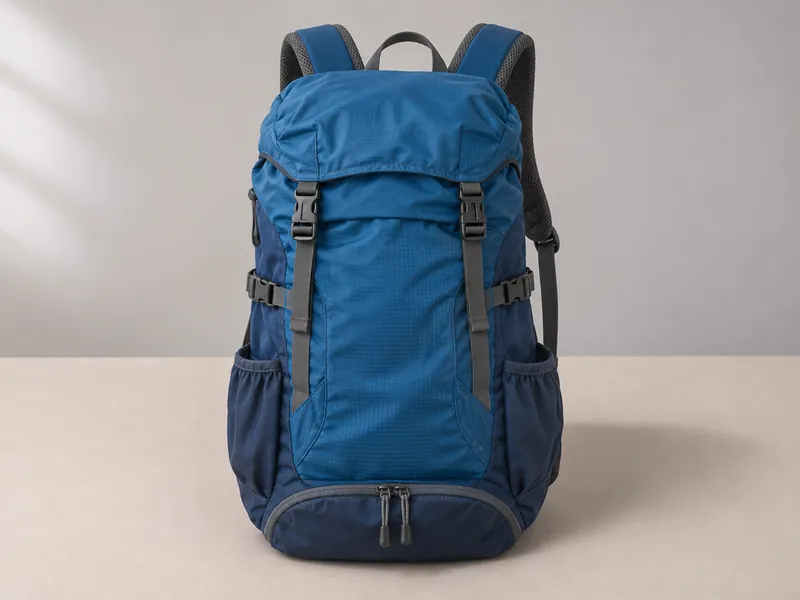
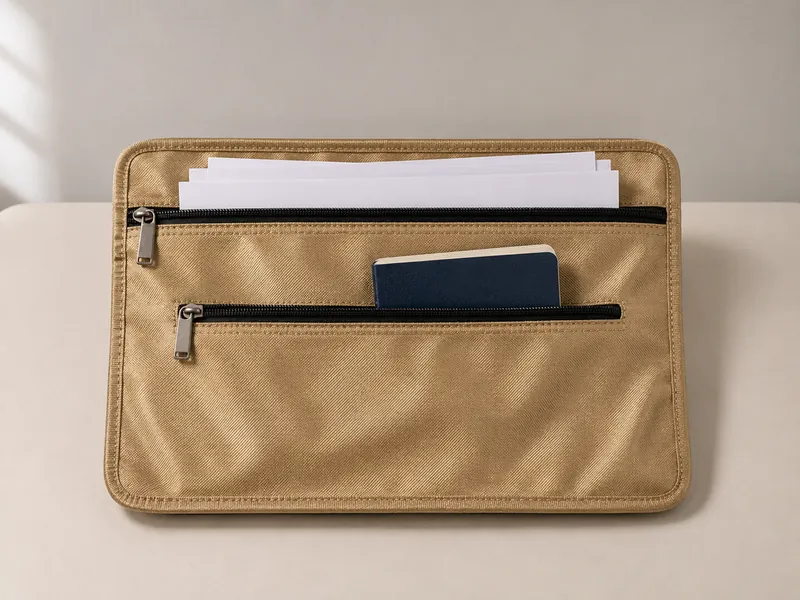
Water2 items

Aquatabs water purification tablets
a backup way to make water safe to drink if storage runs low
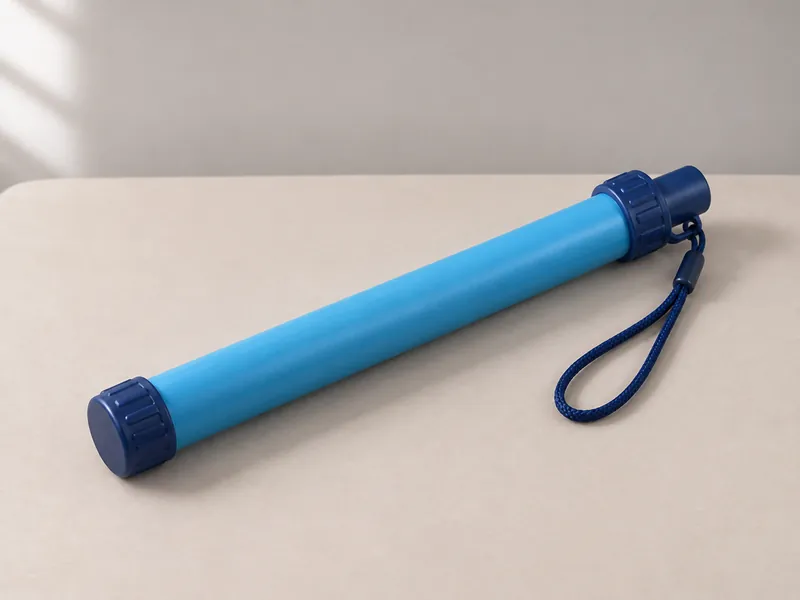
LifeStraw personal water filter
- One per person
- Well-known brand
drink from a tap or bottle of doubtful water on the way
Light & power5 items
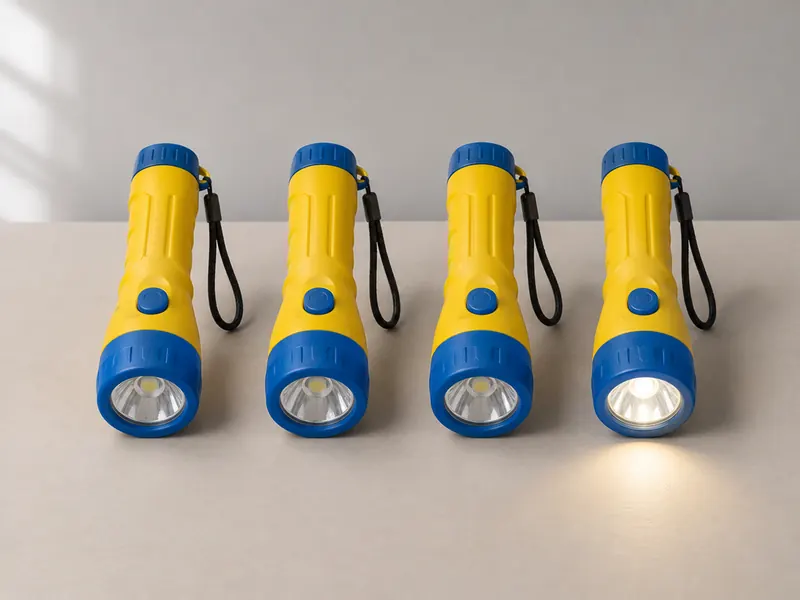
Eveready LED flashlights
Uses 2 AA each · batteries in the box
one for each person, and safer than candles
On FEMA's kit list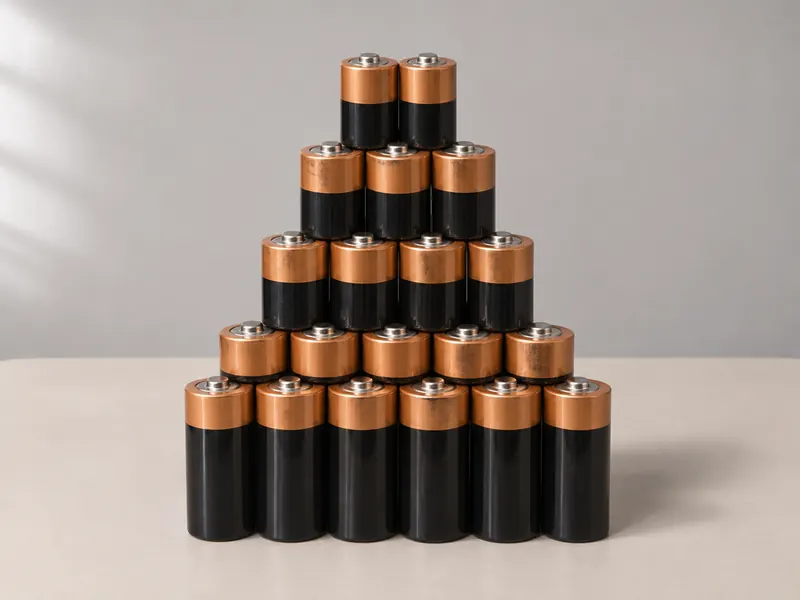
Amazon Basics AA batteries
- 10-year shelf life
Why 8: 1 spare set for the LED flashlights in the suggested kit (8)
On FEMA's kit list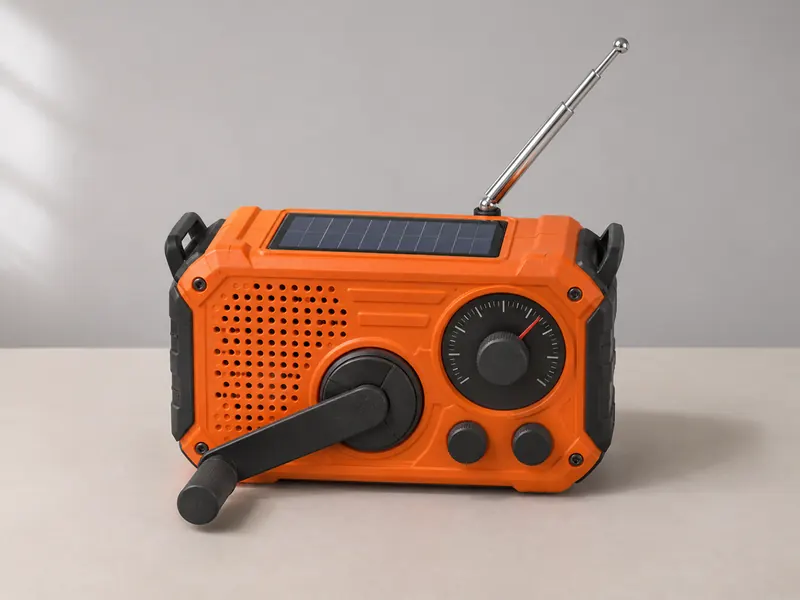
FosPower hand-crank NOAA weather radio
- NOAA weather alerts
- Hand crank + solar
- Charges a phone
weather alerts when the TV is dark and the phone is low
On FEMA's kit list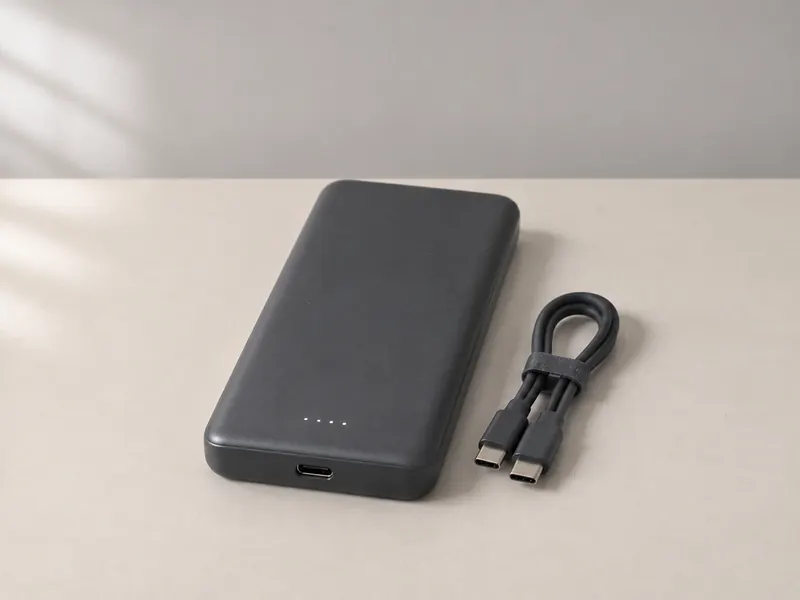
Anker power bank
- Well-known brand
keeps phones charged for calls and alerts
On FEMA's kit list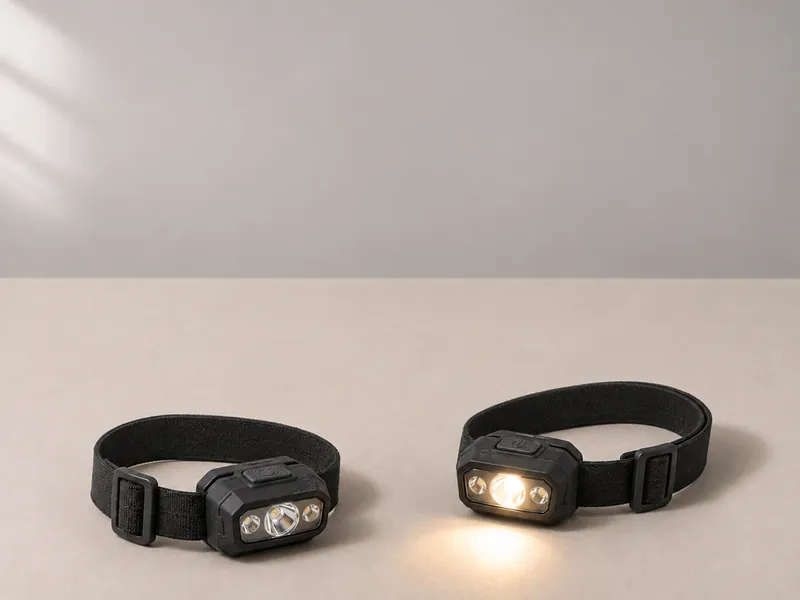
Food1 item
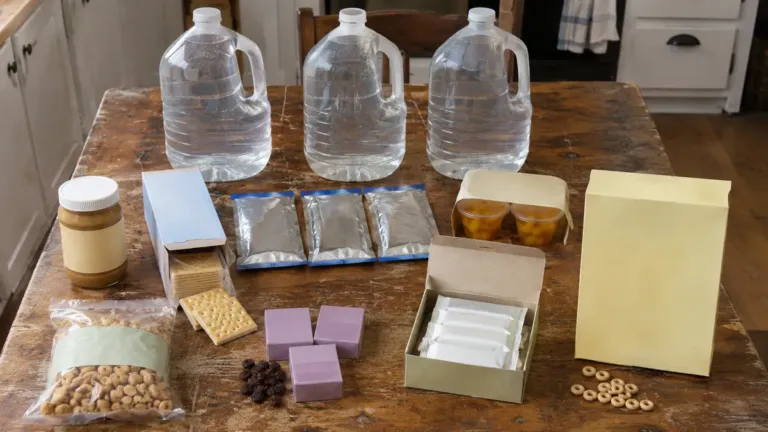
No-cook food
food you can eat cold, right out of the package
On FEMA's kit listSafety5 items
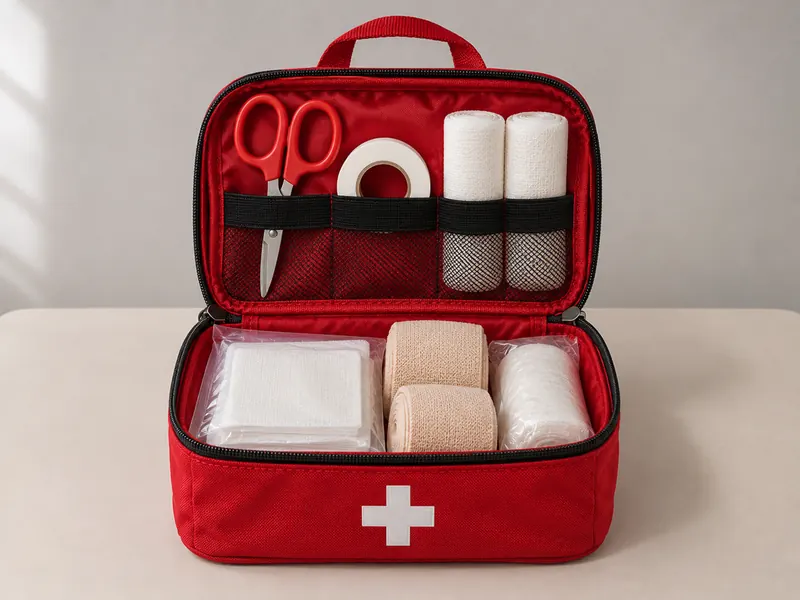
Swiss Safe first aid kit
- Family size
for cuts, burns and sprains while help is slow
On FEMA's kit list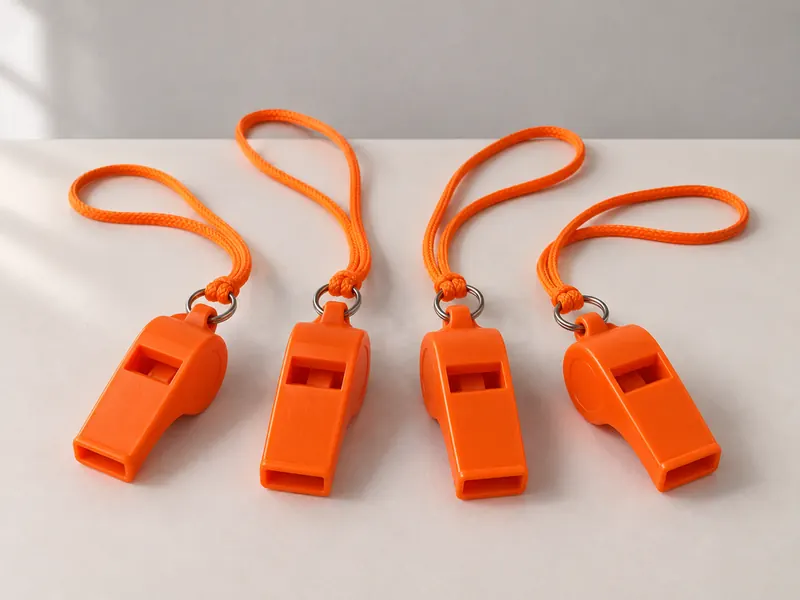

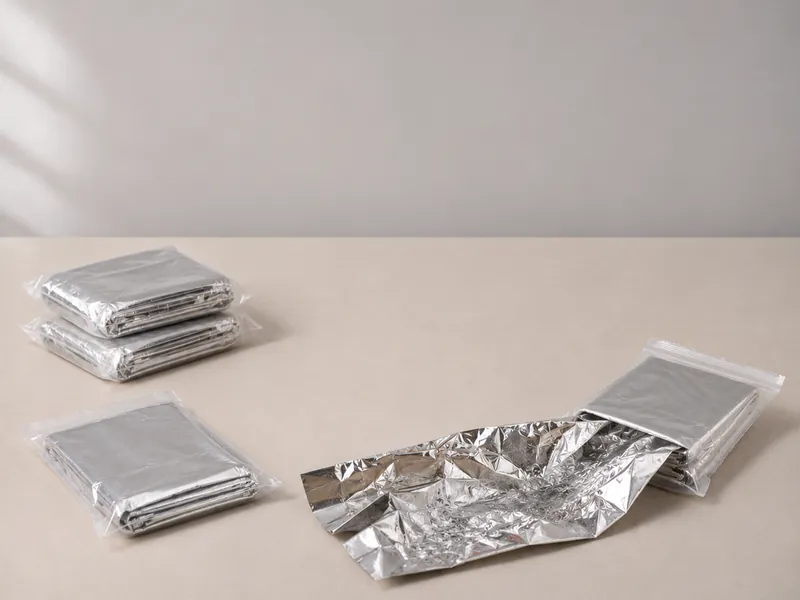
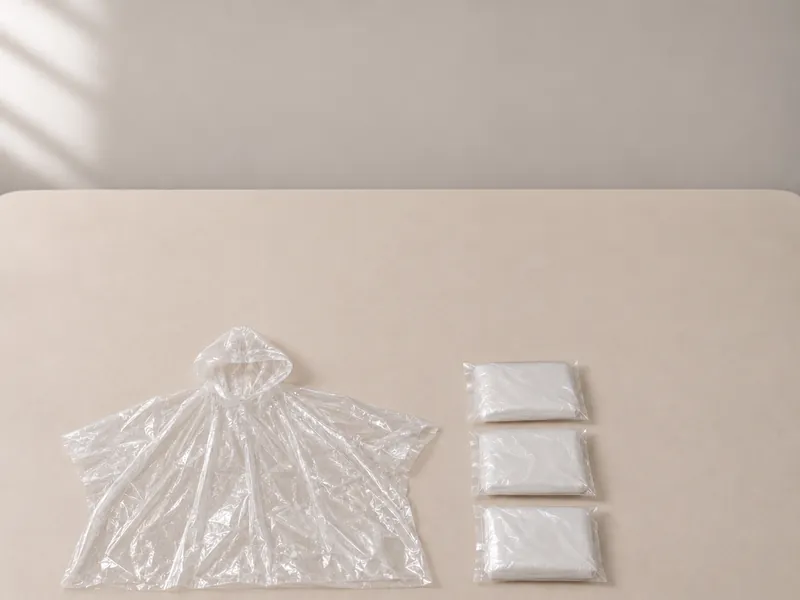
Primacare emergency blankets
- 84 × 52 in each
holds in body heat and folds smaller than a deck of cards
Sanitation1 item
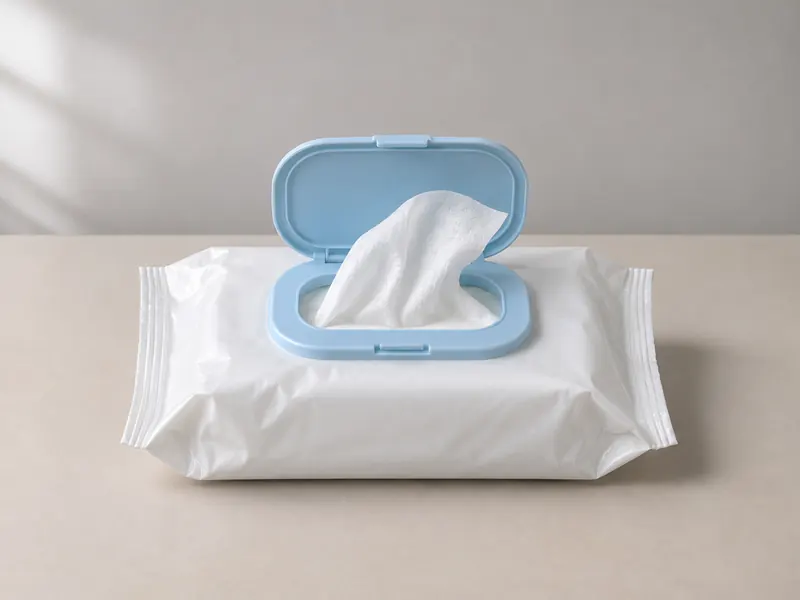
Amazon Basics wet wipes
- For sensitive skin
for washing up when the tap is dry
On FEMA's kit listNothing is bought yet. Amazon shows the list and today's prices first. You choose what to add.
✓ Your kit is also kept on this device. Come back any time.
As an Amazon Associate, EMP Survive earns from qualifying purchases.
Quick answer
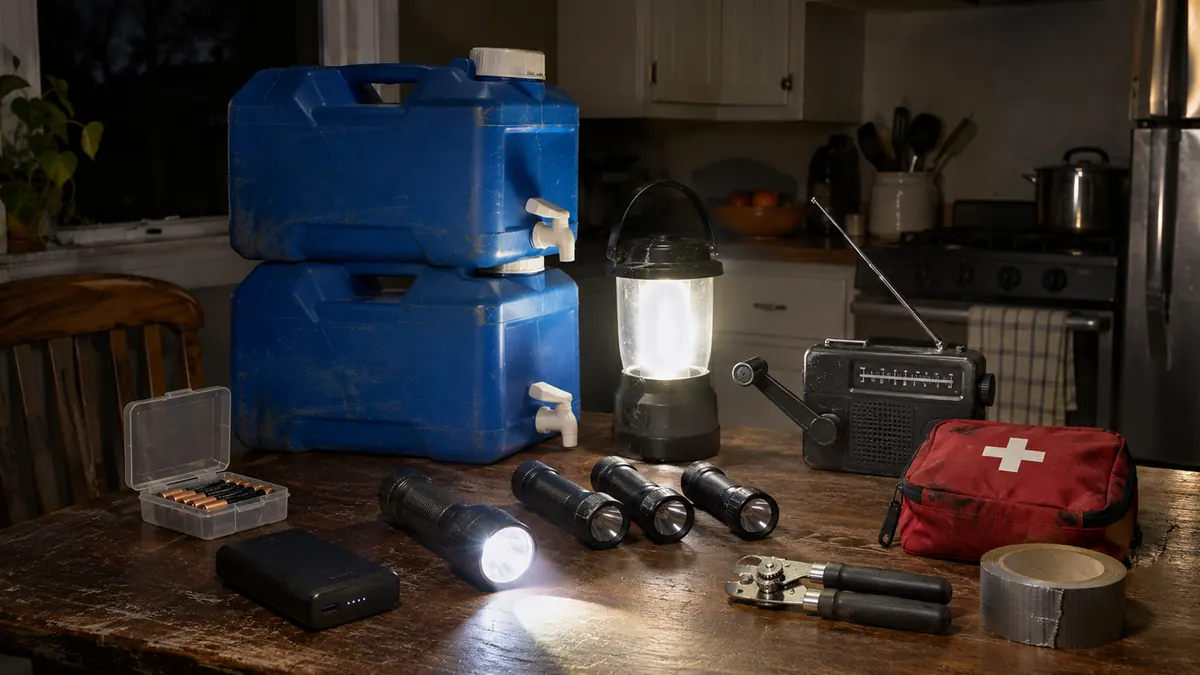
An emergency kit for a power outage needs water (1 gallon per person per day), a flashlight for each person and spare batteries. Add a hand-crank weather radio, a power bank for phones, no-cook food, a first aid kit and a manual can opener. FEMA’s list adds a whistle, dust masks, a wrench, plastic sheeting with duct tape, trash bags with zip ties, wet wipes and a paper map.
For a family of 4 and 3 days, that is 12 gallons of water and 4 flashlights to start. The tool above does the rest of the math for your house.
Last reviewed November 22, 2026 by the EMP Survive editorial team. Sources are listed at the end of this page.
What goes in an emergency kit for power outage?
Start with FEMA’s basic kit. It’s the government’s standard list, and it lives on Ready.gov’s Build a Kit page. Every item in the kit builder above with a green “On FEMA list” tag comes straight from it.
A blackout adds a few needs of its own. Ready.gov’s power outage page says to have a flashlight for every person in the house and a portable charger or power bank. It also wants carbon monoxide alarms with battery backup on every level of your home. A plug-in alarm with no battery stops working when the power does, so check the back of yours tonight.
Lanterns and fridge thermometers aren’t on the government list. We added them as extras because they make a dark house easier to live in for a few days. A thermometer also settles the “is this chicken still okay?” argument in about two seconds. With the doors shut, a fridge stays cold for about 4 hours and a full freezer for about 48. Ready.gov says to throw out food that sat at 40°F or warmer for two hours or more.
How much water does a family of 4 need for 3 days?
FEMA’s rule is 1 gallon per person per day, for drinking and keeping clean. Treat it as the minimum. Four people times three days is 12 gallons.
| Household | 3 days | 7 days | 14 days |
|---|---|---|---|
| 1 person | 3 gallons | 7 gallons | 14 gallons |
| 2 people | 6 gallons | 14 gallons | 28 gallons |
| 4 people | 12 gallons | 28 gallons | 56 gallons |
| 6 people | 18 gallons | 42 gallons | 84 gallons |
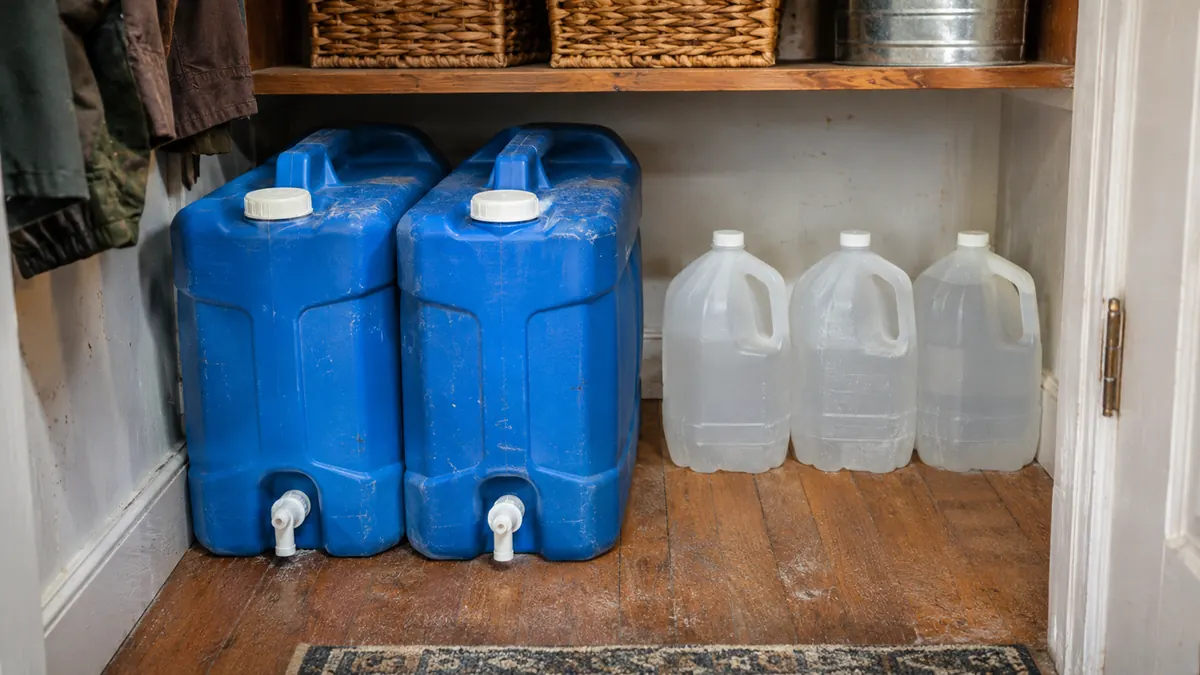
Twelve gallons fits in three 5-gallon jugs with a little room to spare. They have a pour spout and sit on a closet floor, which beats wrestling a dozen milk-jug-sized bottles off a garage shelf. Pets need extra water too, so round up rather than down.
The containers come empty, and plain tap water is fine to fill them. Pick ones sold as food-grade, wash them with dish soap first, and swap the water every six months, as Ready.gov’s water page suggests for water you store yourself.
What to do: Buy the water first. Everything else on the list can wait a payday. Water can’t.
Why does FEMA want a whistle and a wrench in your kit?
These are the items people skip, and each one has a plain job.
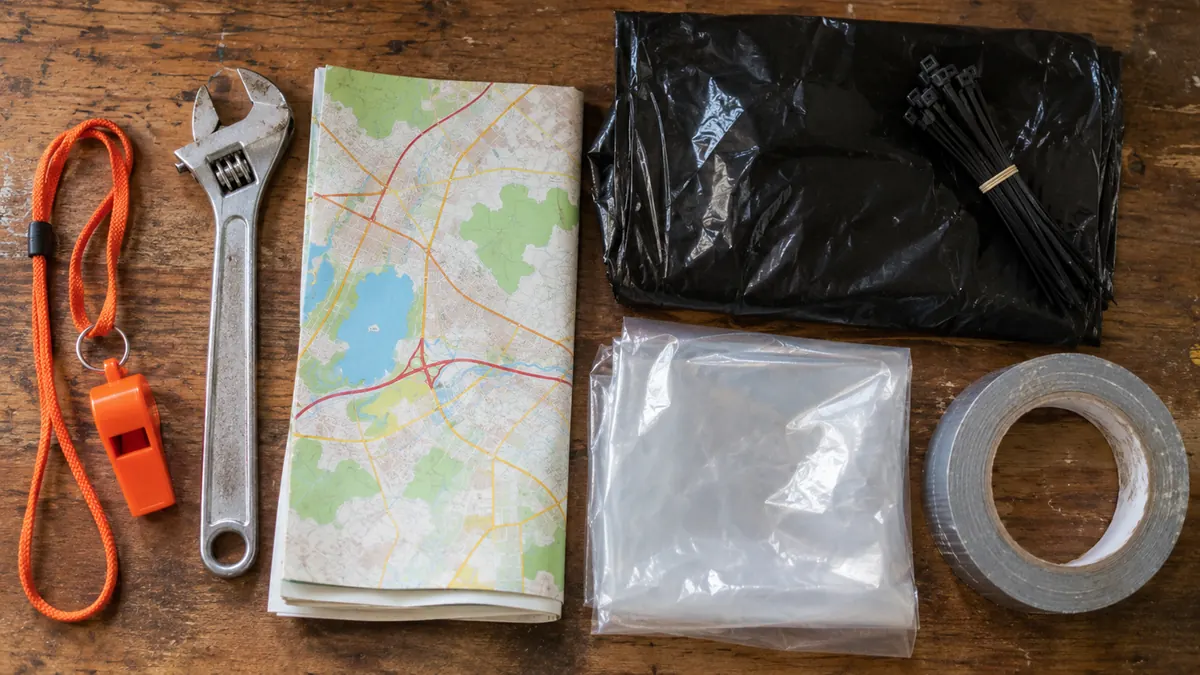
- Whistle: to signal for help. It carries farther than a voice and never gets hoarse.
- Wrench or pliers: to turn off utilities. Shut the gas only if you smell gas or hear it hissing, then open a window, get everyone out and call the gas company from a neighbor’s house. Leave it off after that. A trained person from the gas company turns it back on.
- Paper map: the government list says local maps. Print one of your area. It still works when your phone is at 3%.
- Trash bags, zip ties and wet wipes: for sanitation. Line a bucket with a heavy contractor bag and you have a toilet if the water stops.
- Plastic sheeting and duct tape: to seal off a room if officials tell you to shelter in place.
We priced these for a short video on Walmart.com on November 21, 2026. The whistle, wrench, contractor bags, zip ties, plastic sheeting and duct tape came to $38.10 before tax, with the map printed at home for free. The whistle was $2.97 of that. Your store’s prices will vary.
What should you never use indoors when the power is out?
Generators, camp stoves and charcoal grills belong outside, at least 20 feet from windows, doors and attached garages, according to Ready.gov. Don’t heat the house with a gas oven or stovetop either. All of these make carbon monoxide, a gas you can’t see or smell.
A CO alarm with battery backup is the one extra we’d add to any kit. Add one even if you start with the must-haves. In the kit builder at the top of this page, it’s in the Safety group.
What if money is tight?
In the kit builder at the top of this page, tap Must-haves only. It fills in five things only: water, flashlights, batteries, a crank radio and a power bank. That covers water, light, news and phone charging. Add the rest a little at a time, an item or two each payday.
Food has its own page. Our no-cook 3-day food list is priced for 1 person or a family of 4, and the free food storage calculator works out longer stretches in about a minute.
Storms and flooding are a different job from a plain blackout. If water is the bigger worry where you live, the Flood Prep Planner ($3.90, printable) covers moving things off the floor, shutoffs and an insurance photo log. The kit on this page is enough to start without it.
How often should you check your kit?
Ready.gov says to replace expired items and rethink your kit once a year as your family changes. Pick a date you already remember, like the first cold snap or the week the clocks change, and go through it then. Swap the batteries, refill the water and check the dates on any medicine.
FEMA’s extra-supplies list includes prescriptions, glasses, pet food, cash, copies of insurance papers and a warm blanket for each person. If someone in your house relies on a powered medical device or refrigerated medicine, ask the doctor for an outage plan before the next storm.
Emergency kit FAQ
Is a home emergency kit the same as a go bag?
Not quite. A home kit is sized for riding out an outage in your own house, so heavy things like water containers are fine. A go bag is what you grab if you have to leave, so it stays light enough to carry to the car.
Do I need a generator?
It isn’t on FEMA’s basic kit list, and the kit on this page is built to work without one. If you do own one, run it outside and 20 feet from the house, every single time.
Why does the tool show packs instead of pieces?
Stores sell flashlights in 4-packs and batteries by the box. The tool counts how many pieces your family needs, then rounds up to whole packs, so you may end up with a few spares. Spares are fine. Nobody ever complained about extra AA batteries during a blackout.
How many people are in your house, and how many gallons does that make? Write the number on the fridge and fill it before the next storm warning.
Sources: Ready.gov, Build a Kit · Ready.gov, Power Outages · Ready.gov, Water · ReadyNC, Utility Safety (gas shutoff)