

Is an 18-Month Blackout Really Coming? What the Warning Says


Quick answer
Short answer: nobody has predicted it. The "18 months" comes from news reports about a worst-case study of the power grid. It is not a forecast, and there is no date.
In this guide
What we know: federal regulators studied what a planned attack on key substations could do. News reports in 2014 described the result.
What we don’t know: the odds. Nobody has published a number, and the full study was never made public.
What to do: make two weeks without power your starting goal, then adjust it for your own household.
In August, two stories landed in the same few weeks. One was a city in Indiana sitting in the dark. The other was a number: 18 months.
If that headline made your stomach drop, you’re not alone. Here’s what’s behind it.
So who said 18 months?
Start with this summer, then go back.
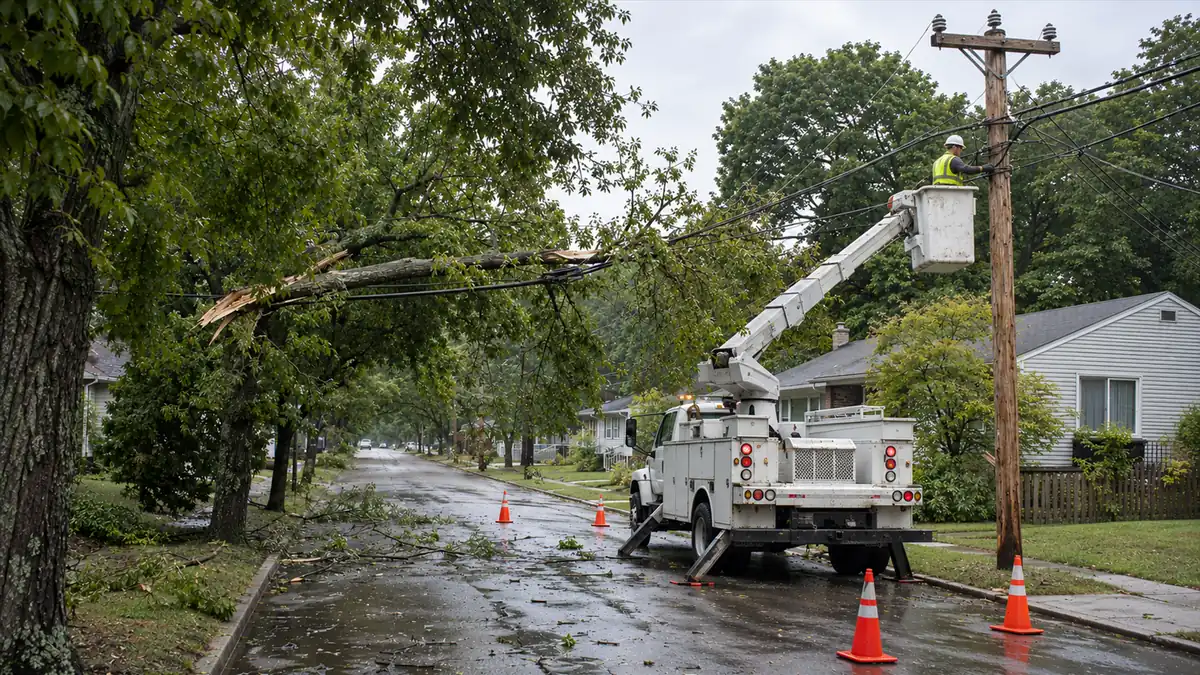
- August 2026: an old warning came back in the news. In the same weeks, storms left thousands of people in Gary, Indiana without power (NPR, NBC News). Some headlines put the two stories side by side.
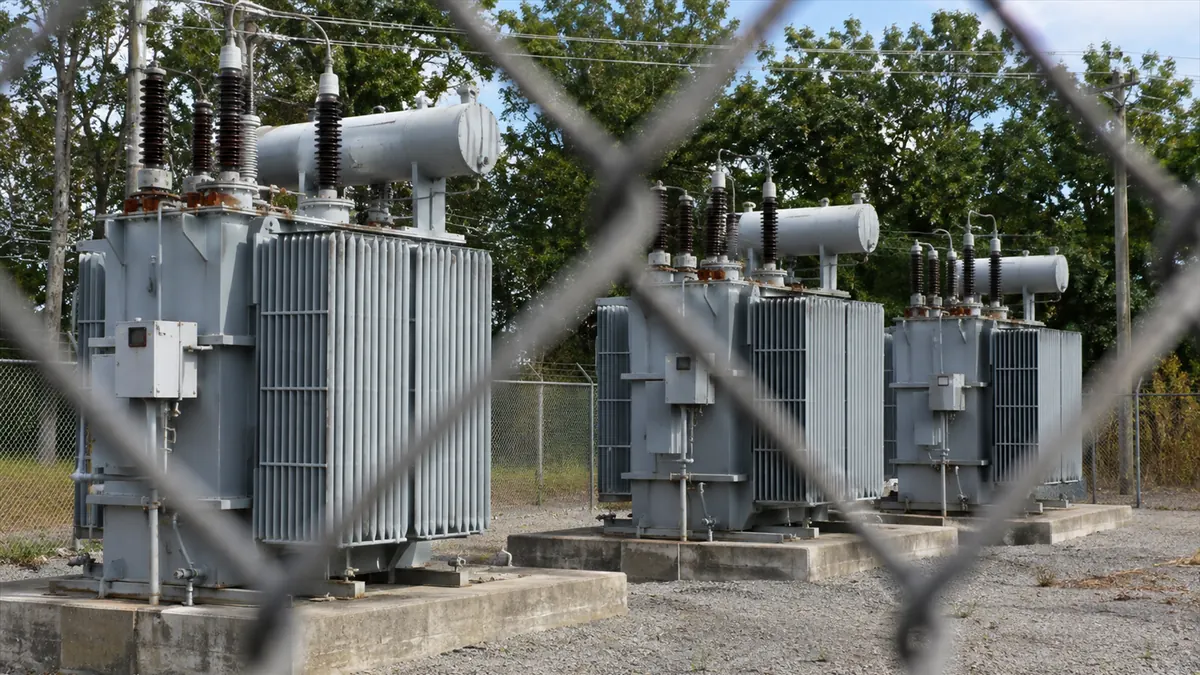
- April 2013, where it began: someone fired rifles at a big substation near San Jose, California, and knocked out 17 transformers. Operators rerouted power. No blackout.
- After the attack: federal energy regulators (FERC) studied what would happen if the most important substations were hit on purpose. That study was never published.
- March 2014, the news report: the Wall Street Journal described the study. NPR’s summary of that report says that out of about 55,000 substations, losing as few as nine key ones on a high-demand day could take down the national grid for “weeks, if not months.”
- March 2014, the 18 months: the trade site Utility Dive quoted a summary of the report: “Destroy nine interconnection substations and a transformer manufacturer and the entire United States grid would be down for at least 18 months, probably longer.”
So there are two layers: a study nobody outside can read, and news reports about it. The “18 months” comes from the second layer. And it’s more than ten years old.
Is that what a long outage really looks like?
No. Here’s the scenario next to what actually happens every year.
| The 18-month scenario | Long outages that really happen | |
|---|---|---|
| Cause | A planned attack on nine exact substations, all at once | Storms, hurricanes, ice, heat |
| Area | The whole country | A city or a region |
| How long | 18 months or more (a worst-case estimate) | Usually hours or days. Sometimes two weeks or more. |
| Has it happened? | No | Every year |
To keep it in scale: in 2024, the average U.S. customer was without power for about 11 hours in the whole year, says the U.S. Energy Information Administration. Three hurricanes caused most of that. In Gary, some homes waited more than two weeks.
What to do: plan for the right-hand column first.
Put this plan on paper
Print at home in US Letter or A4. One-time price, instant download.

World War III Ready Binder
A calm, step-by-step plan for war threats, fallout and grid-down days at home. Every safety step is traced to Ready.gov, FEMA, CDC…
$14.90 one-time
Power Outage Bundle
What to do when the lights go out, a pantry that keeps your family fed, and a 12-month plan to get ready.…
$9.90 $11.70 for all 3
Wasn’t there a date?
Not from this study. Here’s what the warning does not say:
- No date. A viral post claimed a “9-day global blackout” would start on July 18, 2026. Fact-checkers found no source for it. July 18 came and went, and the lights stayed on.
- Not a forecast. It describes what could happen if one very specific attack worked.
- Not about EMP or solar storms. It’s about physical attacks on substations.
Why 18 months and not 18 days?
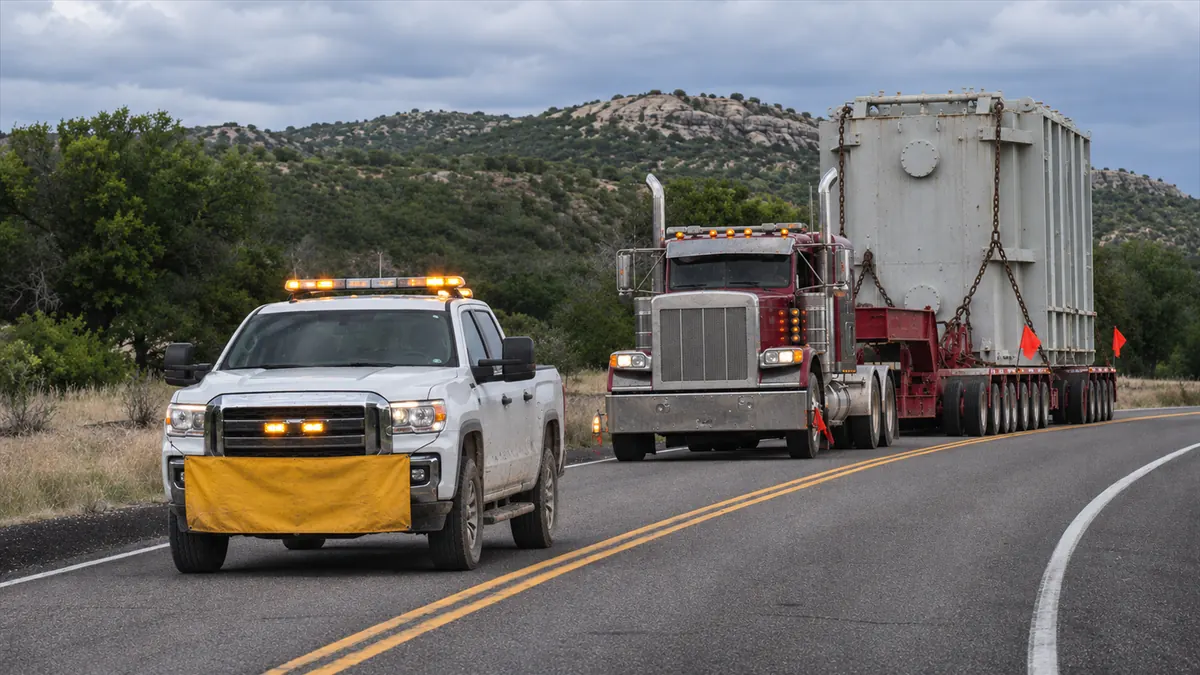
Because of the transformers.
The big ones in major substations weigh roughly 100 to 400 tons, and each one is custom-built, says the U.S. Department of Energy. You can’t order one with two-day shipping. They are taken apart to travel, with the oil and cooling radiators removed, and move on special rail cars or long multi-axle trailers. Even in normal times, the DOE put the wait for a new one at about 5 to 16 months.
If many were destroyed at once, replacing them would take a long time. That part of the warning is fair. The weak point is real, and grid experts still talk about it.
Has anything been fixed since 2013?
- Security rules. In 2014, FERC approved a physical security standard for the grid, called CIP-014. Owners of the most important sites must identify them, assess the threats, write a security plan and have an outside security expert review it.
- The real attack caused no blackout. In 2013, operators moved power around the damaged site.
What hasn’t changed: big transformers are still slow to replace.
So what can we honestly tell you? The scenario needs a planned attack on nine exact sites at once, and that has never happened. Nobody has published the odds, so we won’t give you a number. Anyone who does is guessing. We can’t tell you it’s impossible. We can tell you it isn’t a forecast.
Would your phone tell you?
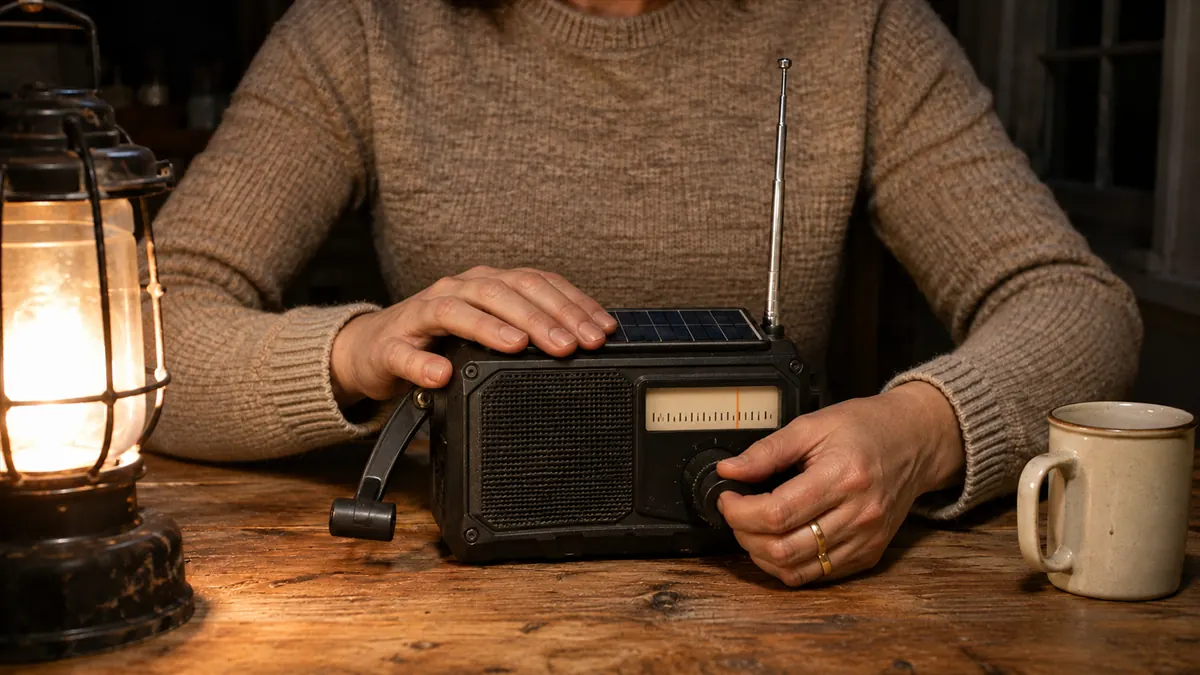
Maybe, for a while. Phone alerts work while the network is up. But cell towers need power too, and your battery won’t last forever. Don’t rely on your phone alone. A battery or hand-crank radio is the backup.
What to do: tonight, after dark, tune across the AM dial and write down your two or three strongest local stations. Tape the list to the radio.
Which stations are built to stay on the air? We checked: Can You Listen to the Radio During an EMP?
What does your household depend on?
Before you buy anything, ask this. A plan for a couple in their sixties isn’t the same as a plan for a family of five.
- Medicine and medical devices. Does anyone need medicine that must stay cold, or a device that runs on electricity (a CPAP, oxygen, a powered chair)? Ask your doctor or pharmacist now what to do in an outage.
- Lifting. A gallon of water weighs about 8 pounds. If that’s heavy for you, buy smaller bottles and keep them where you can reach them.
- Heat and cold. If your home got too hot or too cold to stay in, where would you go, and who would drive you? Write down one name and one address.
- Living alone. Who checks on you, and who do you check on? Swap phone numbers with one neighbor.
What can you do this weekend?
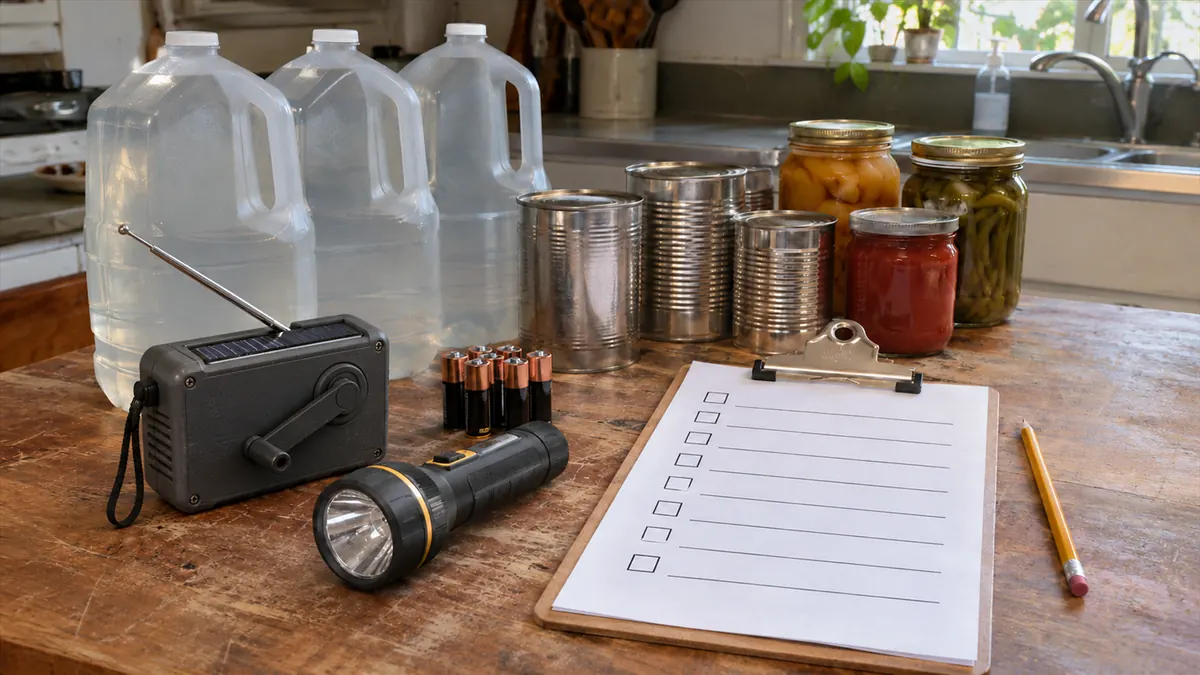
Skip the 18-month panic. Do the boring part first.
Ready.gov says to be ready to manage on your own “for several days.” We use two weeks as a starting goal, because Gary shows a normal storm can take that long. It’s a starting point, not a promise. Adjust it for your answers above and where you live.
Saturday morning: water (about 1 hour)
- 1 gallon per person per day. For two weeks, that’s 14 gallons each.
- A family of four needs 56 gallons. Store-bought jugs or smaller bottles are both fine.
Saturday afternoon: food (one shopping trip)
- Two weeks of food your family already eats, that needs little or no cooking.
- Our food storage calculator does the math.
Sunday morning: light, news and the fridge (about 1 hour)
- A flashlight for each person, spare batteries and a battery radio.
- Tape the food-safety rule to the fridge: food stays safe about 4 hours in a closed fridge, and about 48 hours in a full, closed freezer.
Sunday afternoon: the paper plan (30 minutes)
- Who calls whom. Where you meet. Where the important papers are.
Want it on paper?
Everything above is free, and it’s enough to start. The Power Outage Bundle is for people who want it printed, filled in and stuck to the fridge door. It’s three PDFs you print at home (US Letter and A4):
- Power Outage Quick-Reference Charts (17 pages): fridge and freezer times food by food, generator and carbon monoxide safety, safe water, and what to do when the power comes back. No looking things up on a dying phone.
- Prepared Pantry System (17 pages): works out the amounts for your household, with shopping lists and inventory sheets you fill in by hand.
- 12-Month Prep Plan: one small job a month, so you don’t buy everything at once.
The pages print on white paper to save ink.
Frequently asked questions
Is an 18-month blackout coming?
No utility, grid operator or federal agency has announced one. The figure comes from a worst-case study.
Who said the grid could be down for 18 months?
A federal (FERC) analysis done after the 2013 California substation attack, as described in news reports in 2014. Jon Wellinghoff, who chaired FERC at the time, has warned about it publicly for years.
Is this the same as the “90-day” story?
No. That one comes from a Pentagon plan for military bases. We checked it here: Is the Power Grid Going Down for 90 Days?
What about the 9-day blackout on July 18?
It was a social media rumor with no official source. The date passed and nothing happened.
How long should I prepare for?
Several days at the very least, says Ready.gov. Two weeks is a practical starting goal. Your household may need more or less, depending on where you live and what you depend on.
You don’t need a bunker. You need a Saturday.
Sources
- NPR, Report: Small-Scale Attacks Could Cause National Blackout, March 2014.
- Utility Dive, Could terrorists really black out the power grid?, March 24, 2014.
- FERC Order No. 802 (physical security standard CIP-014), 2014, as summarized by Crowell & Moring.
- U.S. Energy Information Administration, Today in Energy, December 1, 2025.
- NPR and NBC News, August 2026 (Gary, Indiana outage).
- Boatos.org, fact check on the 9-day blackout rumor, May 26, 2026.
- Ready.gov, Build a Kit.
- U.S. Department of Energy, Large Power Transformers and the U.S. Electric Grid, April 2014 update.
- FoodSafety.gov (4 hours in a fridge, 48 hours in a full freezer).


Comments
Comments appear right away. We remove spam, sales links and personal attacks.
No comments yet. Yours can be the first.