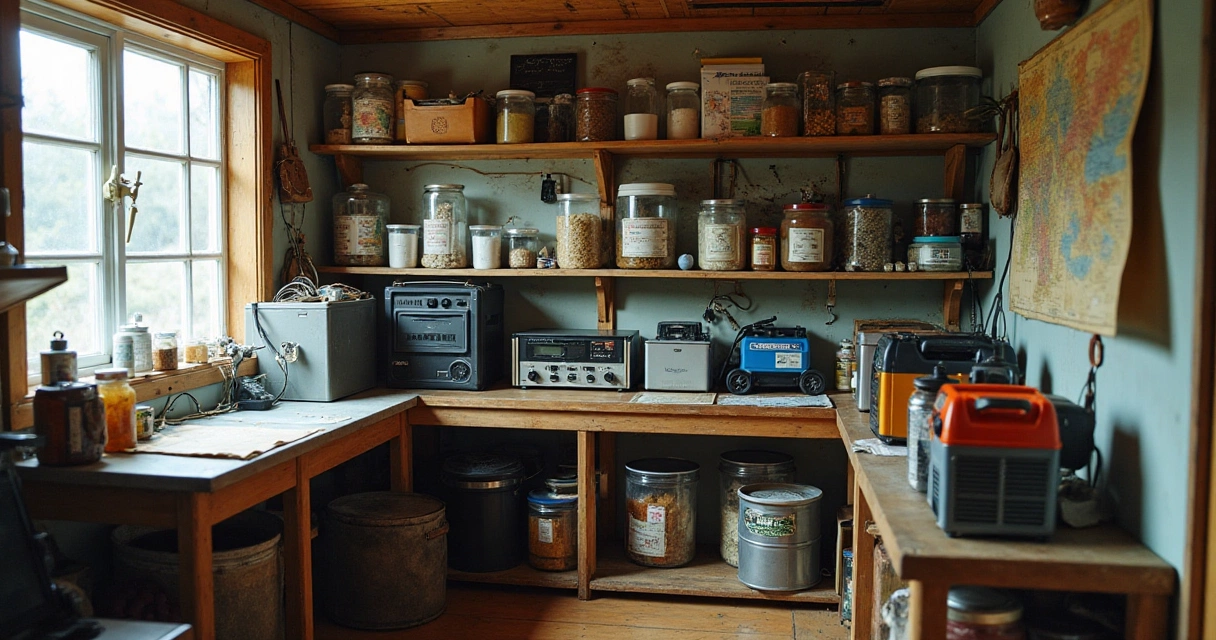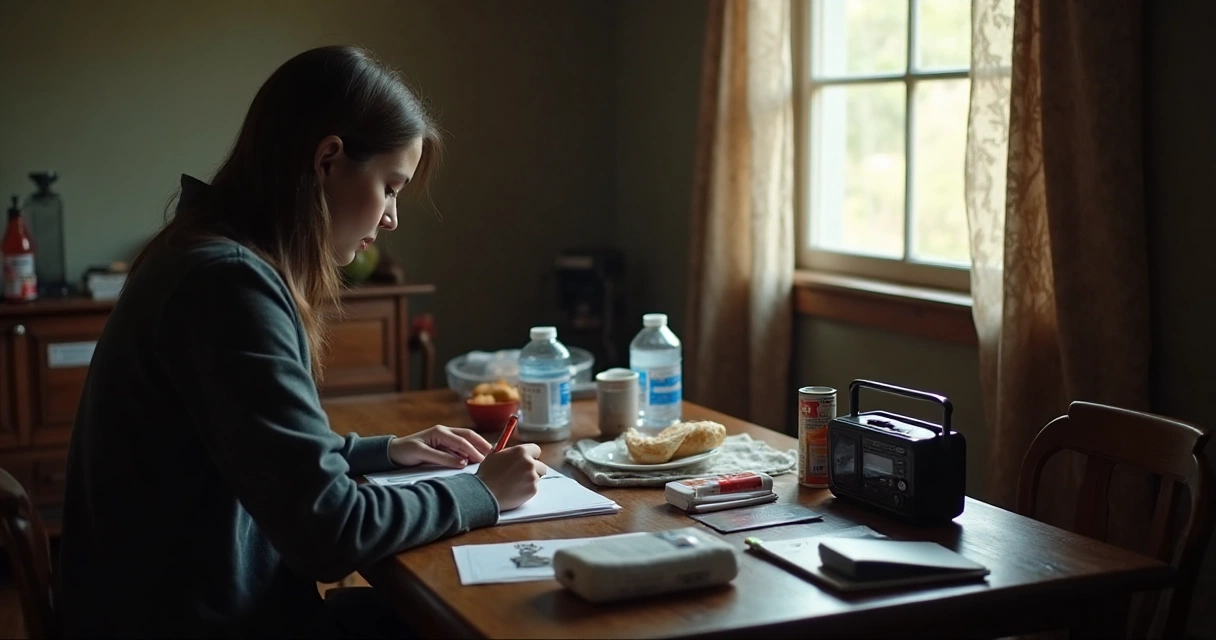
Government agencies warn about the EMP threat to power grid vulnerabilities. Solar scientists warn about coronal mass ejections. And media coverage treats both as interchangeable — the same catastrophe with different names. They are not the same. The mechanisms differ, the warning times differ, the affected areas differ, and — most importantly for your prep strategy — the probability differs substantially. Conflating them doesn't make you more prepared. It sends your budget and your planning in the wrong direction.
Here's what this article does: it separates the three primary electromagnetic grid threats by their actual characteristics, explains why national infrastructure hardening leaves a gap that falls directly on your household, and gives you a decision framework — not a list of fears — to identify which threat should drive your specific strategy. Not your neighbor's. Yours.
The Three Threats Side-by-Side
Most threat comparisons stop at "EMP bad, solar flares bad, nuclear bad." That's not analysis — that's a headline. The meaningful differences live in the operational details.
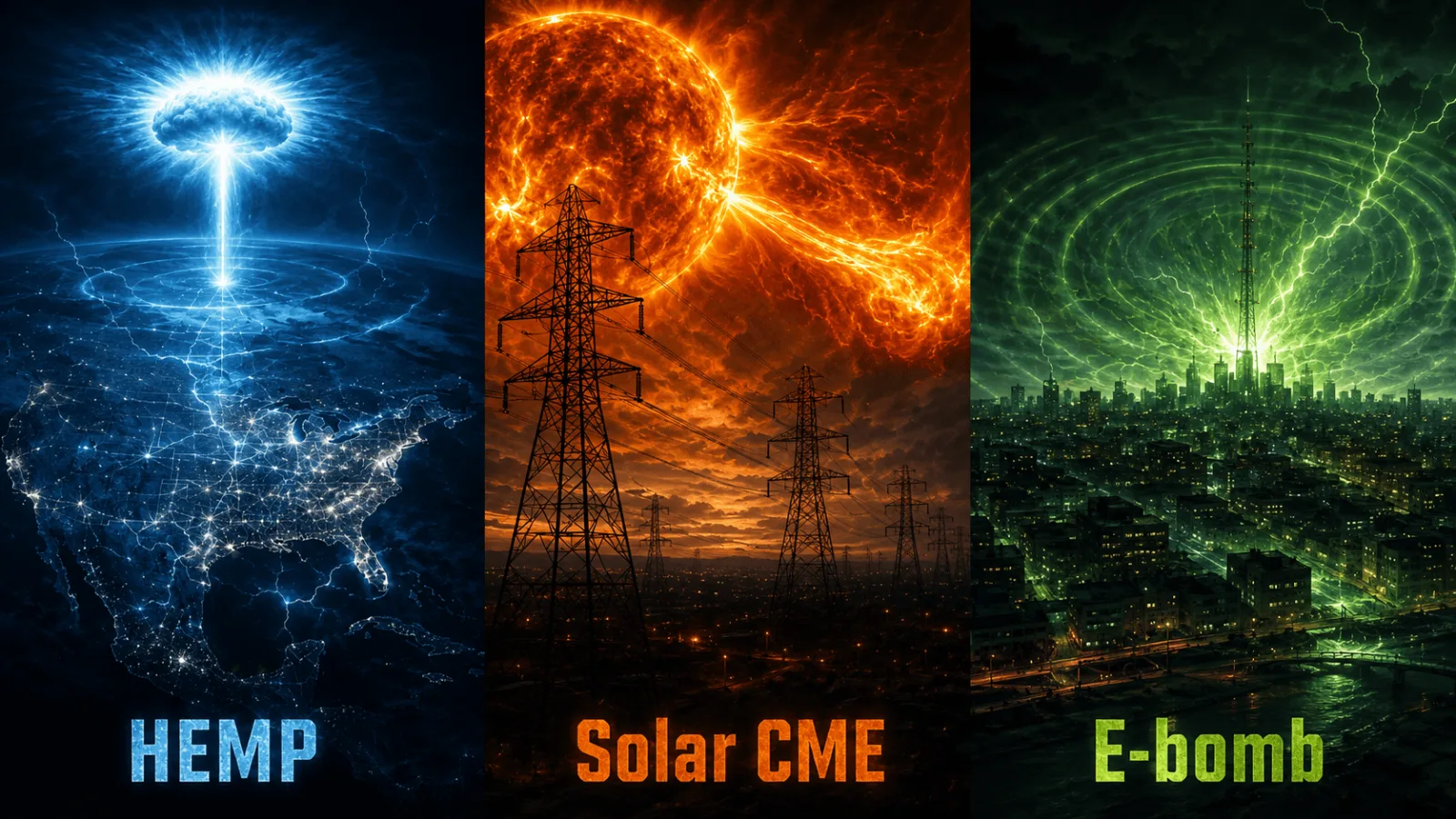
High-altitude nuclear EMP (HEMP) is triggered by a nuclear detonation above 30 kilometers. A single warhead detonated above the continental United States could produce E1, E2, and E3 pulse phases covering millions of square miles. The E1 phase — lasting nanoseconds — is what destroys semiconductor junctions in unprotected electronics. E3 mimics a severe geomagnetic storm and attacks long-line infrastructure: transformers, pipelines, and grid interconnects. Warning time: effectively zero. Likelihood: low, but non-trivially so — state and non-state actors with ballistic capability have an explicit motive to target grid infrastructure without triggering direct nuclear exchange on populated areas.
Solar coronal mass ejections (CMEs) are plasma clouds ejected from the sun that interact with Earth's magnetosphere and induce massive current surges in long conductors — transmission lines, pipelines, and communication cables. The 1859 Carrington Event remains the historical benchmark: telegraph systems caught fire, operators received shocks, and auroras appeared at equatorial latitudes. A 2012 CME of comparable magnitude narrowly missed Earth by roughly nine days in orbital terms — confirmed by NASA analysis published in Nature Communications. Warning time for a CME: 15–45 minutes from detection at the L1 Lagrange point. Likelihood of a Carrington-class event: NOAA and the Royal Academy of Engineering both estimate roughly 1-in-10 odds per decade. That is not a remote risk. That is an actuarial certainty over a 30-year planning horizon.
Localized electromagnetic weapons (E-bombs) receive almost no prepper attention — and proportionally, that's roughly correct. Directed energy weapons and flux compression generators exist, are documented in open military literature, and could devastate electronics within a targeted radius of a few hundred meters to a few kilometers. Realistic threat level for civilian households: low. For critical infrastructure nodes — substations, data centers, financial exchanges — it's a legitimate concern that CISA has flagged in threat assessments.
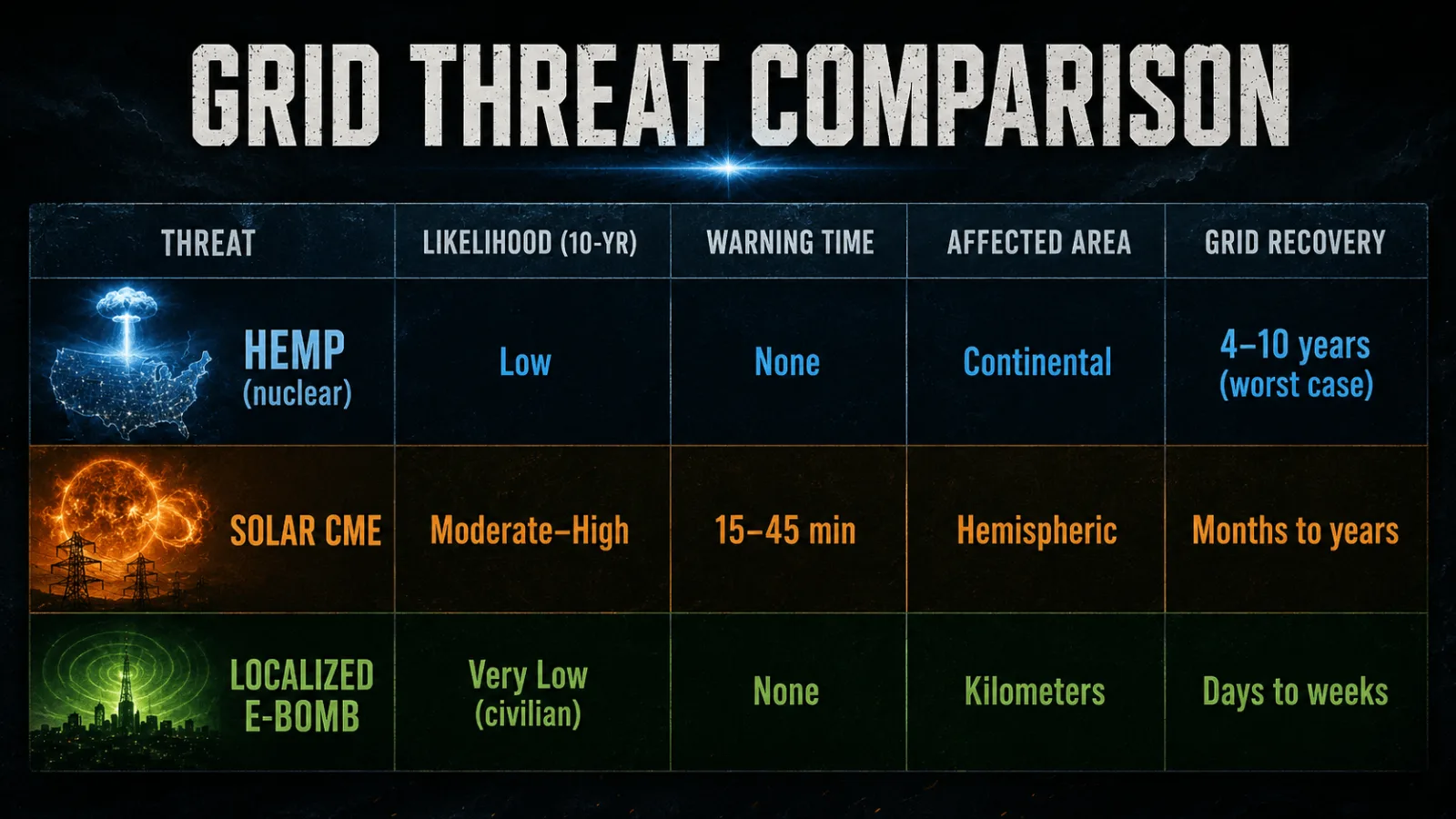
ThreatLikelihood (10-yr)Warning TimeAffected AreaGrid Recovery
HEMP (nuclear) Low None Continental 4–10 years (worst case) Solar CMEModerate–High 15–45 min Hemispheric Months to years E-bomb (localized)Very Low (civilian) None Kilometers Days to weeks
The uncomfortable statistical reality: a major CME is more probable than a nuclear EMP attack in any given decade. Your prep strategy should weight accordingly — while acknowledging that HEMP prep and CME prep overlap significantly at the household level.
Why Infrastructure Hardening Fails — and What That Gap Means for Your Family
Here's what most guides miss: NERC and FERC have standards for electromagnetic resilience. They exist. They are real. And they are structurally insufficient for a Carrington-class event or coordinated HEMP scenario.
NERC's CIP-014 standard mandates physical security for critical transmission substations. FERC Order 2100 pushed utilities toward EMP resilience planning. But regulatory compliance is not the same as operational survivability. The standards address defined threat thresholds — not worst-case scenarios. Utilities meet the standard on paper while remaining vulnerable to the upper tail of the threat distribution.
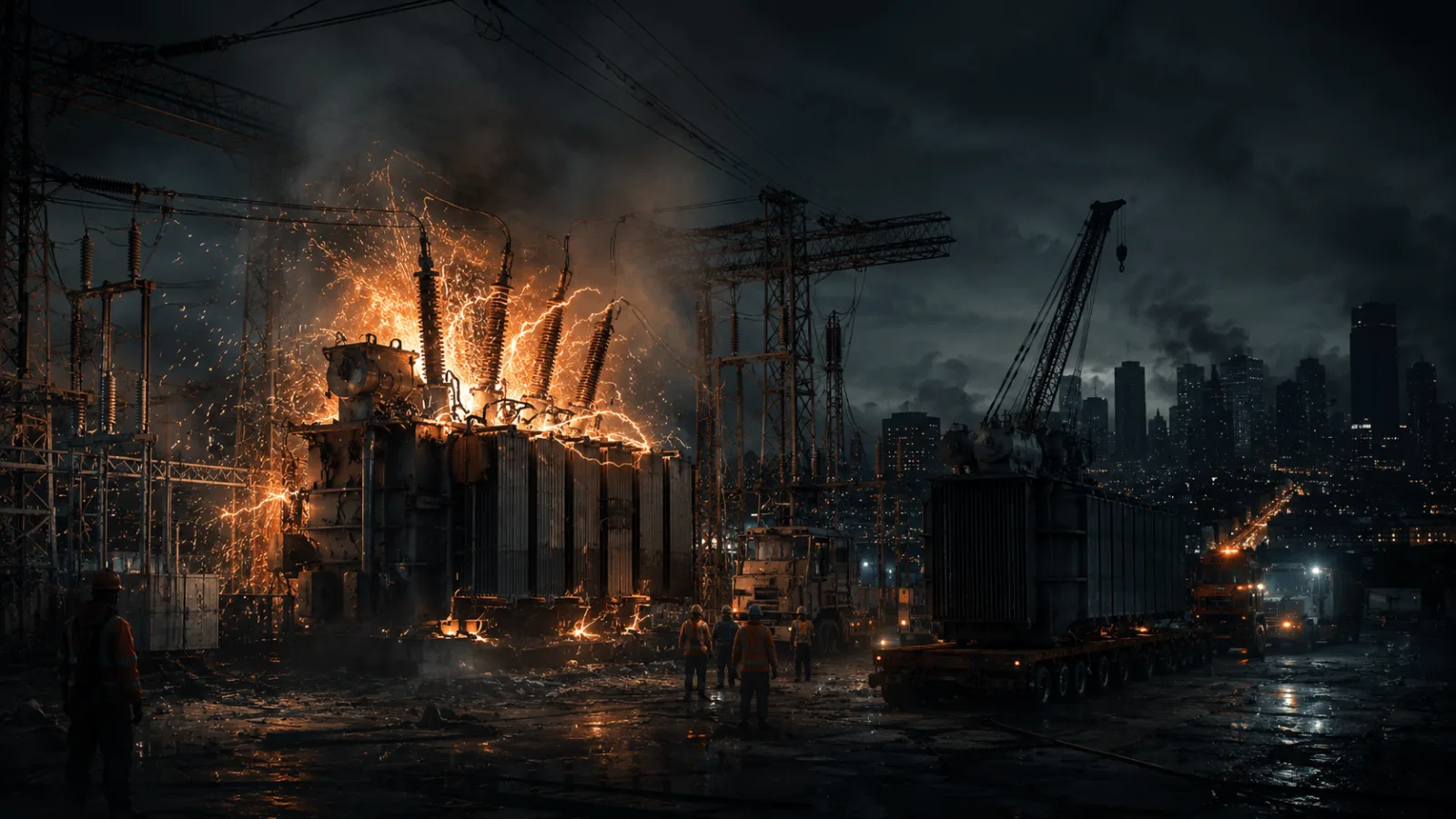
The transformer bottleneck is where the math becomes stark. Large high-voltage transformers — the kind that step transmission-level power down for regional distribution — are custom-built, weigh up to 400 tons, and carry lead times of 12–18 months under normal manufacturing conditions. The United States has limited domestic production capacity; most units are imported. A coordinated grid attack or major CME damaging 50–100 of these units simultaneously would outpace every available replacement pipeline. This isn't speculation — it's the core finding of the 2008 EMP Commission Report to Congress and subsequent analyses by the Foundation for Resilient Societies.
This is not a physics problem. This is a supply chain problem — and supply chains don't respond to emergency declarations on the timescale your family needs.
A single failed extra-high-voltage transformer can cascade failures across three or more states. The 2003 Northeast blackout — caused by a software bug interacting with an untrimmed tree — affected 55 million people across eight states and Ontario. That was not an EMP. That was a routine fault with cascading consequences. Scale that failure mode to dozens of simultaneous transformer losses, and the phrase "grid restoration" stops describing a realistic near-term outcome.
The single most important thing I tell every client: do not build your family's survival timeline around a government restoration estimate. Build it around the assumption that restoration takes longer than projected, by a factor of three to five, under stressed conditions.
The Prepper's Real Timeline (vs. What Agencies Publish)
Government continuity planning assumes coordinated agency response, functional communication infrastructure, and mutual aid agreements that activate on schedule. Those are reasonable assumptions for a localized hurricane. They are optimistic assumptions for a grid-down event affecting multiple regions simultaneously.
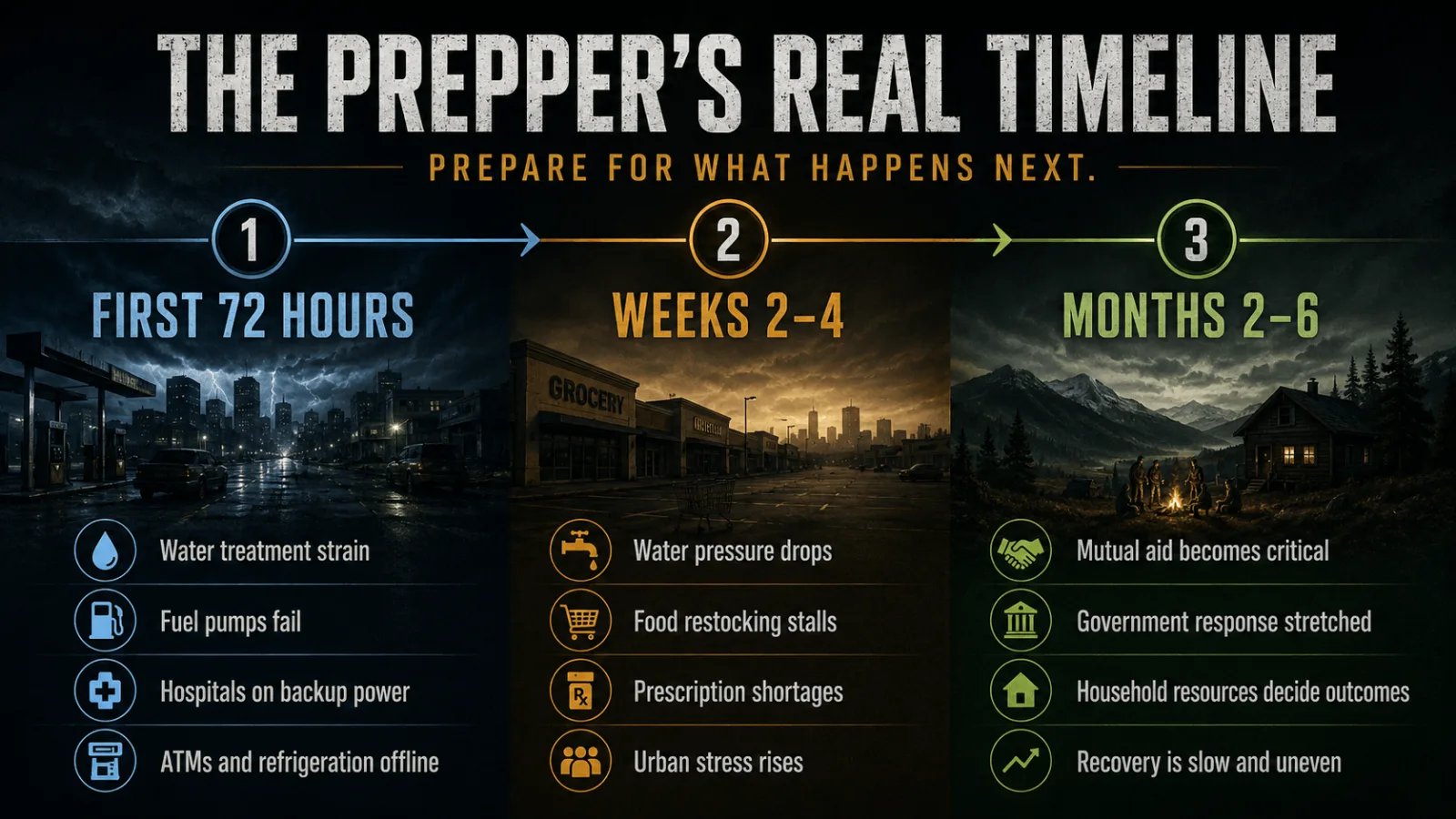
First 72 hours: Water treatment plants lose power; most run on grid power with 24–72 hours of backup generation if maintained. Fuel pumps at gas stations fail — they are electrically dependent. Hospital emergency generators activate, but elective systems shut down immediately. ATMs go offline. Supply chain logistics halt as inventory management systems and refrigeration fail.
Weeks 2–4: Municipal water pressure drops as elevated storage tanks drain without pump refill. Food supply chains — already operating on just-in-time inventory — cannot restock. Prescription medication supplies at pharmacies are exhausted. Rural communities, typically more self-sufficient, stabilize faster than urban cores. Dense urban areas face acute resource competition.
Months 2–6: This is the window that the government consistently estimates to be underweight. Social order in resource-scarce environments doesn't deteriorate gradually — it deteriorates in threshold events. Mutual aid networks — neighbors, faith communities, informal local structures — become the primary resilience layer. Formal emergency management is stretched beyond capacity. Recovery in this window depends almost entirely on pre-positioned household resources and pre-established community relationships.
Your prep window is not "when it happens." Anything you didn't establish before the event is, at minimum, dramatically harder to acquire — and at worst, impossible.
What Actually Protects Your Home: The Honest Gear Assessment
Here's what most people get wrong about Faraday cages: they treat shielding as binary — either you're protected or you're not. The reality is that shielding effectiveness is frequency-dependent, gap-dependent, and conductor-dependent. A galvanized steel trash can with a tight-fitting lid offers meaningful attenuation for E1 pulses against small electronics — typically in the range of 30–60 dB depending on construction quality. That's not mil-spec. It is, however, real protection for handheld ham radios, backup phones, and small solar charge controllers stored inside it.
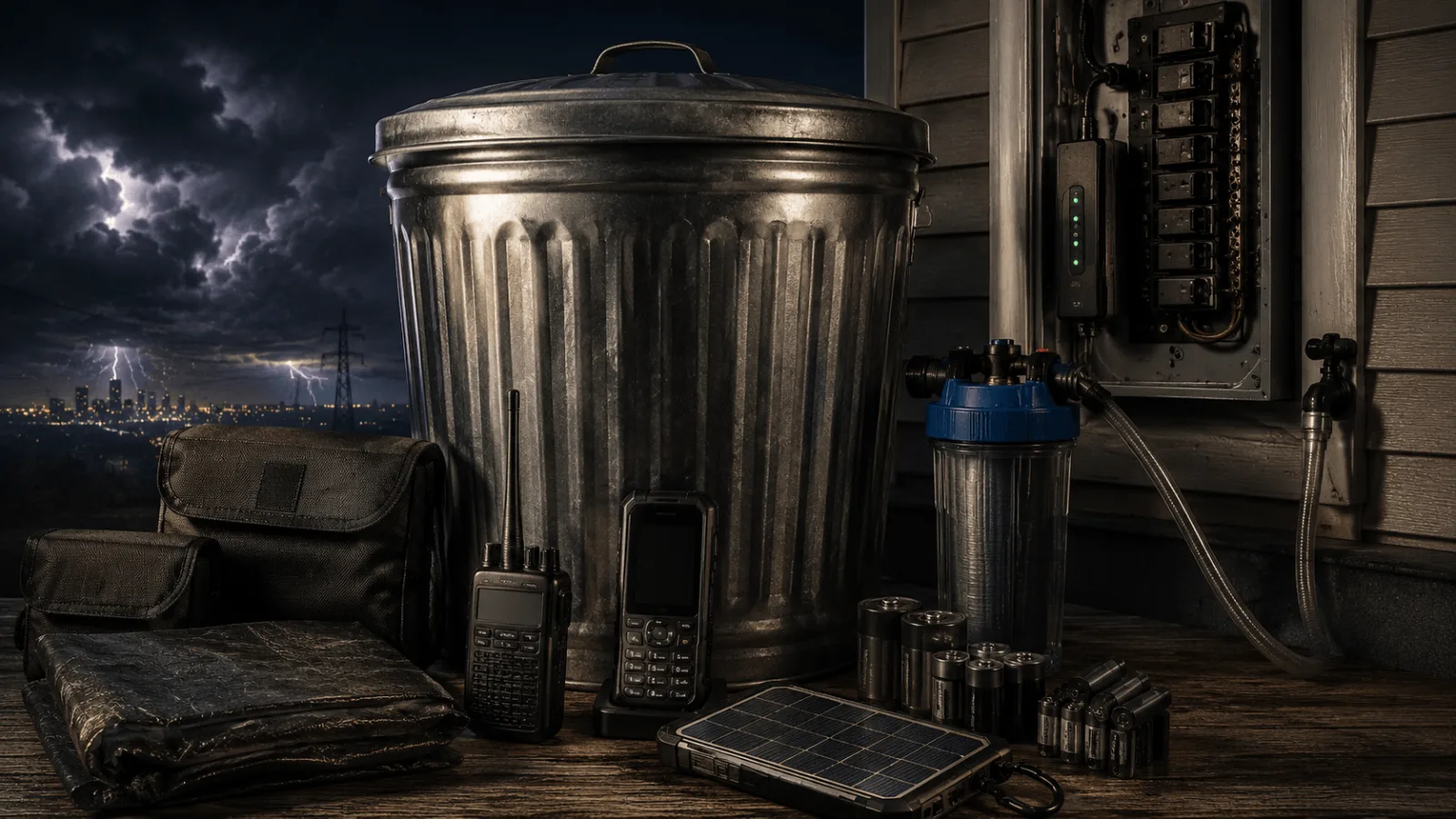
This isn't opinion — it's physics. Shielding effectiveness follows measurable electromagnetic principles. Consumer Faraday products in the $25–$80 range vary enormously in actual attenuation. Purpose-built RF shielding enclosures from suppliers like Tech Protect or Disklabs provide published attenuation specs — demand those specs before purchasing. Mil-spec shielding starts around $400–$800 for a unit sized for a laptop and radio; it's appropriate for communication gear you cannot replace, not for every device in your household.
Surge protectors: stop here. Standard surge protectors are rated for slow-rise voltage spikes — lightning-adjacent events. They are not rated for E1 EMP, which rises in nanoseconds — far faster than metal oxide varistors (MOVs) can respond. A whole-house surge protector installed at the panel adds a layer of E2 and E3 protection, and is a proportional preparedness step for any household, regardless of specific threat. It doesn't require a lifestyle change. It requires a licensed electrician and roughly $300–$500 in parts and labor.
Protecting everything is impossible. Prioritize in this order: medical devices with no manual alternative (CPAP, insulin pumps, hearing aids), communication (a shielded handheld radio and a backup solar charger), and water procurement (a pump or gravity filter that operates without electricity). Everything else is secondary.
For a full breakdown of tested Faraday solutions by device category, see our Faraday Cage Buying Guide: What Actually Works.
Beyond Hardware — The Non-Negotiable Prep Categories
Community resilience is non-negotiable. I've watched well-resourced individual preppers with extensive gear inventories hit a hard ceiling at week two of a simulated extended grid-down exercise — because no single household can replicate the specialization that a community provides. Medical skills, mechanical skills, agricultural knowledge, security rotation — these require people, not just equipment.
Water is your shortest timeline. One gallon per person per day is the minimum; two gallons is the working standard when you account for sanitation. A 55-gallon drum provides one person 55 days at minimum — roughly $80–$120 new with a hand pump and bung wrench. Supplement with a gravity filter system (Berkey or comparable, $250–$350) capable of processing surface water. For detailed storage and collection methods, see Water Storage Without Electricity: 5 Proven Methods.
Food security means eliminating refrigeration dependency in your core supply. Freeze-dried staples, canned protein, and whole grains stored in Mylar with oxygen absorbers. A 90-day supply for one adult runs approximately $400–$600 in bulk commodities — not glamorous, entirely effective.
Medical contains the hardest problems. Insulin requires refrigeration. Dialysis requires infrastructure. These are not problems individual prep solves — they require honest acknowledgment and, where possible, pre-arranged mutual aid with medical professionals in your network. For everything else: a comprehensive first aid manual (the Wilderness Medicine Handbook is a practical standard), a three-month supply of any maintenance medications, and documented medical histories stored on paper, off-network.
Information means printed. Paper maps of your region at county and state scale, physical copies of emergency contacts, printed copies of critical documents (identification, insurance, medical records), and a written communication plan your household has rehearsed — not just read. For a complete checklist, see 72-Hour Kit Essentials for Grid-Down Scenarios.
Decision Tree — Which Threat Should Drive YOUR Strategy?
Threat-specific optimization is mostly wasted effort — because the foundational prep layer covers all three scenarios. The decision tree below identifies where to allocate marginal prep resources once your baseline is established.
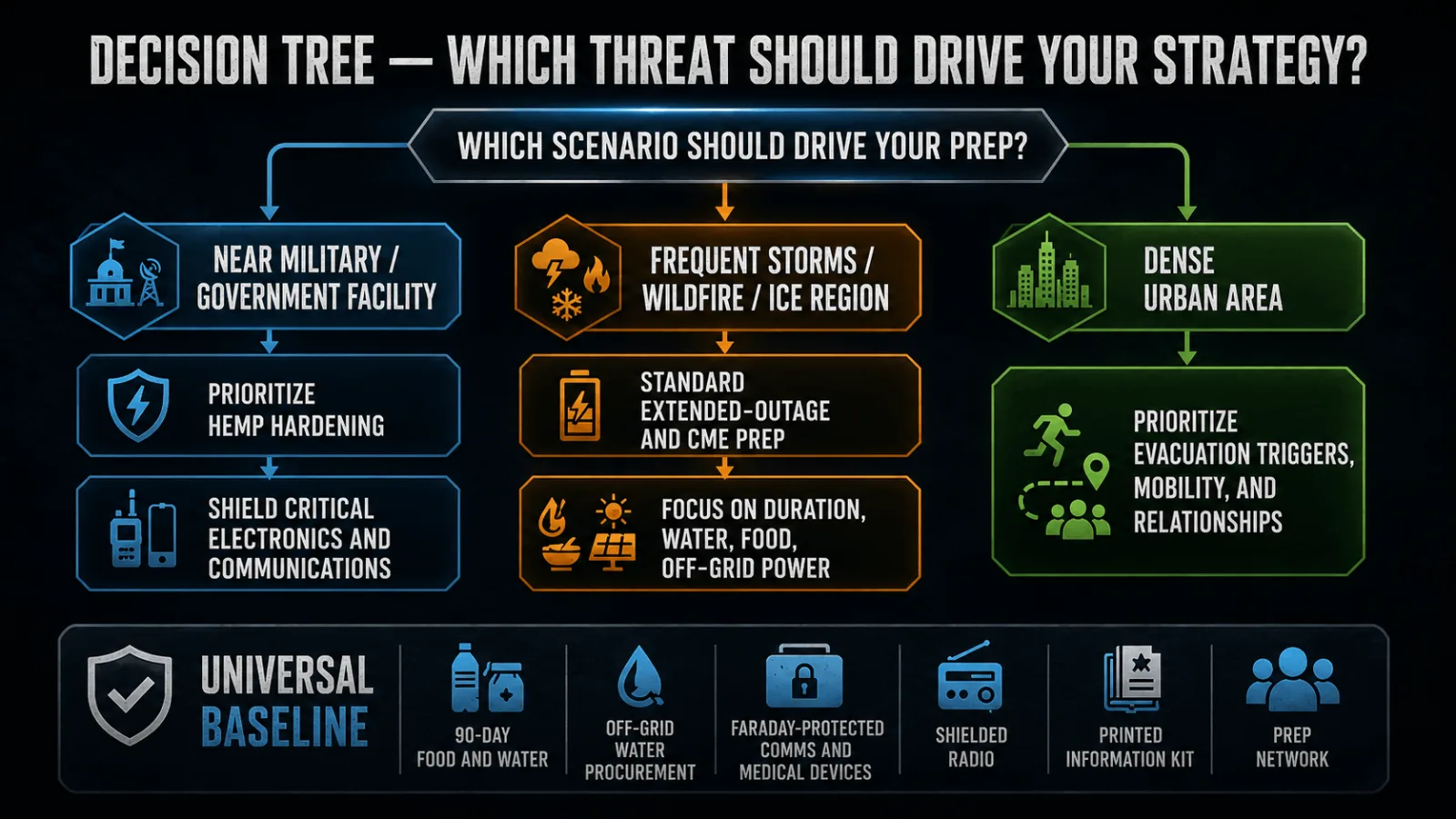
If you live within 30 miles of a military installation, ICBM field, or major government facility, HEMP targeting risk elevates your EMP hardening priority. Invest in a quality RF-shielded enclosure for critical electronics. Consider a shielded, analog-backup communication setup — a pre-1980s vehicle with points ignition is more EMP-resistant than any modern ECU-dependent engine.
If you live in a region with frequent ice storms, tornado corridors, or wildfire seasons, Your CME prep is largely identical to standard extended-outage prep. The same water storage, food supply, and off-grid power that handles a 10-day ice storm outage handles the early phase of a CME event. You're probably closer to baseline than you think — extend duration, don't reinvent the system.
If you live in a high-density urban area: The specific threat type matters less than social instability risk. Your week-two vulnerability isn't a fried transformer — it's resource competition in a compressed geographic space. Prioritize early evacuation triggers, a pre-planned destination outside the urban core, and established relationships with people at that destination. Gear is secondary to mobility and relationships.
Universal baseline that covers all three scenarios: 90-day food and water supply. Off-grid water procurement capability. Faraday-protected communication and medical devices. A shielded, functional radio for information intake (a Baofeng UV-5R stored in a Faraday bag costs roughly $30 total — there is no excuse for skipping this). A printed information kit. At least two households in your network with aligned prep levels.
The Uncomfortable Truth About Critical Infrastructure Protection
Federal agencies will prioritize bulk power system restoration in sequence: generation assets first, transmission backbone second, major metropolitan distribution third. Residential neighborhoods in mid-sized cities and rural areas are not in that sequence — not because of malice, but because of arithmetic. There are not enough crews, replacement parts, or logistical capacity to work every failure simultaneously.
In my experience working with infrastructure resilience clients, the honest assessment is this: national-level hardening efforts matter enormously for shortening the macro-recovery timeline. They do not replace household-level resilience during the gap between event and restoration. That gap — measured in weeks to months, not hours to days — is entirely your responsibility to bridge.
Run the decision tree above. Identify your actual highest-probability vulnerability — not the most dramatic scenario, the most probable one for your specific geography and household structure. Put your next prep dollar there, not at the ceiling of worst-case planning.
The grid failing is not the threat. Being isolated, uninformed, and resource-depleted when it fails is.