

Solar Storm 2026: Could It Knock Out Your Power?

In this guide
Short answer: it could, but big blackouts are rare. Strong solar storms can trouble the grid. The strongest kind comes about four times every 11 years, on average. The best-known blackout from one hit Quebec in 1989. In the extreme storm of May 2024, New Zealand switched off a few power lines to protect its equipment, and homes kept their power.
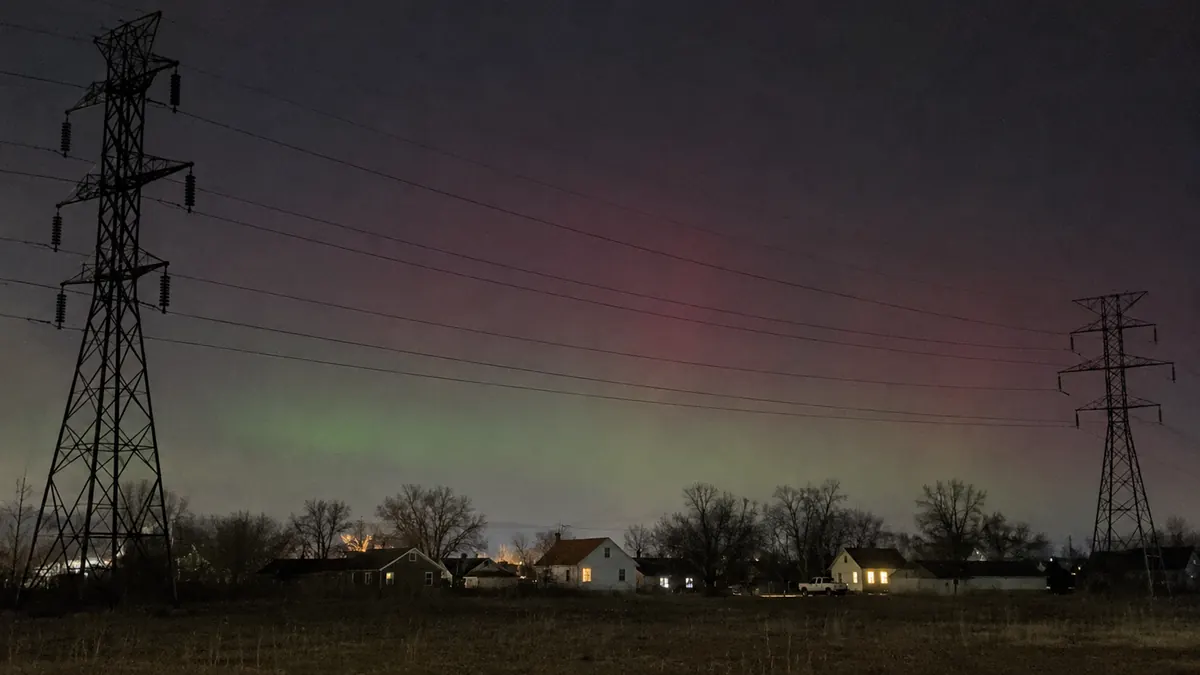
In November 2025, NOAA issued a “severe” solar storm watch. In January 2026, the northern lights showed up as far south as northern Italy. If headlines like those made you wonder about your own lights, here’s what’s really going on with the sun.
Where is the sun in its cycle right now?
The sun runs on a cycle of about 11 years, from quiet to busy and back again. The Met Office, Britain’s national weather service, says the busy peak of this cycle took place in 2024 and 2025, and the sun is now slowly winding down.
Winding down doesn’t mean done. The Met Office says some of the strongest storms have come after the busy peak, not during it. The sun’s activity is trending down, but a big storm is still possible.
What does a solar storm do to the power grid?
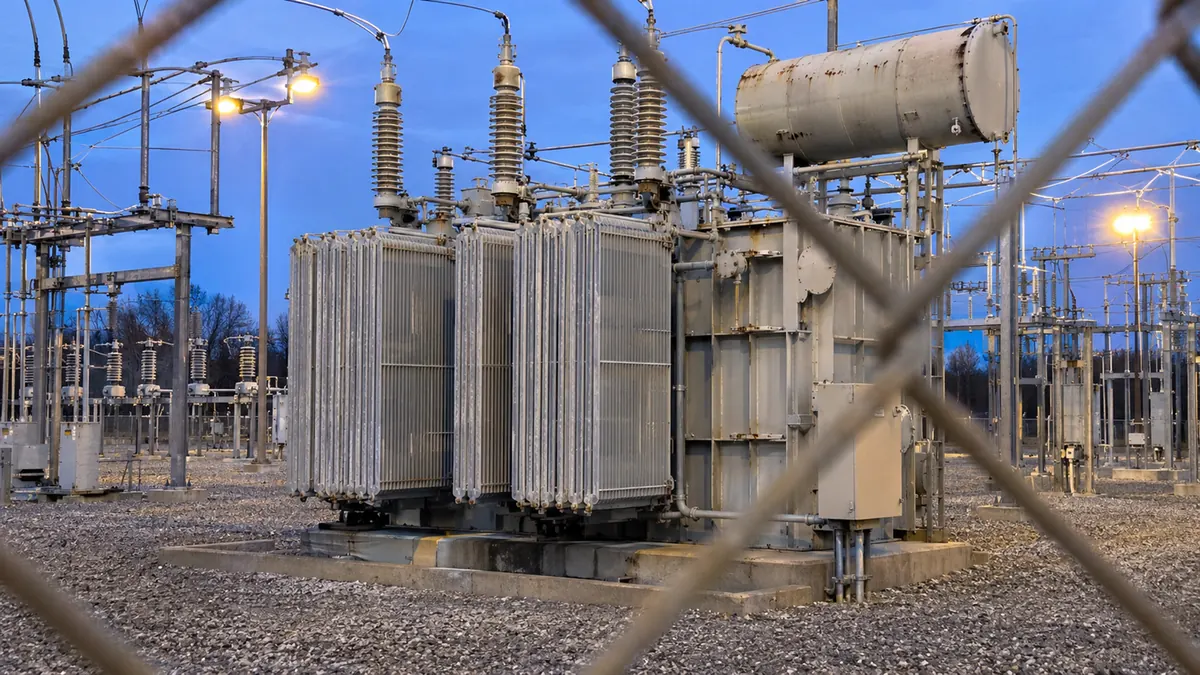
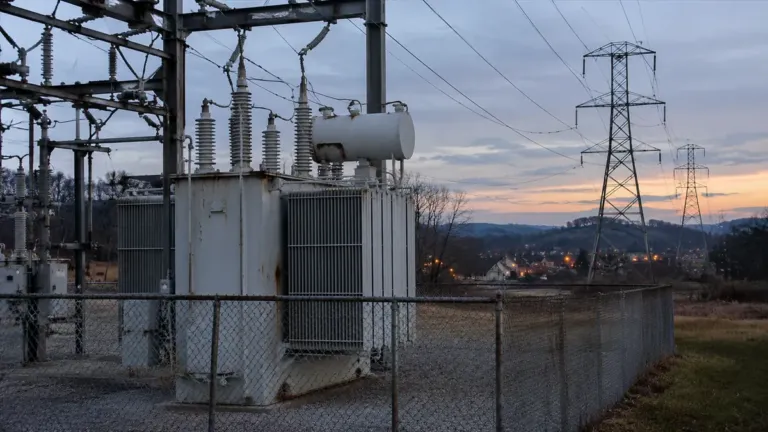
A burst from the sun shakes the earth’s magnetic field. That pushes extra current into long power lines and the big transformers, the giant boxes at substations, that feed whole towns. Most of the time the grid handles it. NOAA, the government’s weather agency, rates these storms from G1 to G5, with bigger storms generally bringing bigger risks to the grid.
| Level | What NOAA says can happen to the grid | How often (per 11-year cycle) |
|---|---|---|
| G3 Strong | Power companies may need to adjust voltage; some false alarms | About 200 times |
| G4 Severe | Voltage problems over wide areas; some equipment may shut itself off | About 100 times |
| G5 Extreme | Parts of the grid may shut down or black out | About 4 times |
Those storms aren’t spread evenly; they bunch up in the busy years. NOAA also notes that even a long, weaker storm can strain big transformers, which is why power companies watch every storm. Power companies use space-weather forecasts to help protect their grids. The full descriptions are on NOAA’s space weather scales page.
Put this plan on paper
A printed plan you can follow when the lights are out. US Letter or A4, instant download.

World War III Ready Binder
A calm, step-by-step plan for war threats, fallout and grid-down days at home. Every safety step is traced to Ready.gov, FEMA, CDC and the Red Cross,…
$14.90 one-time
Has a solar storm ever turned the lights off?
Yes. The best-known example hit Quebec in 1989. On March 13, 1989, a storm knocked out the Hydro-Québec power system in Canada. NOAA says it went down “within 90 seconds, and without warning.” Six million people lost power. Most had it back in nine hours, and some waited days.
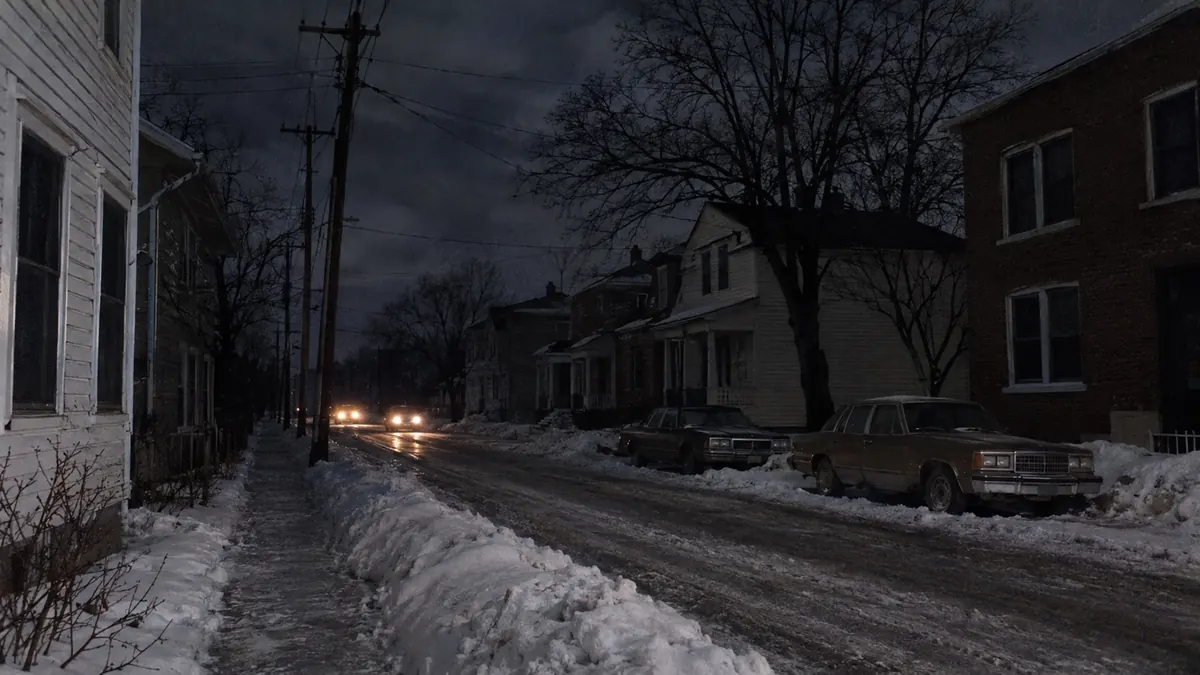
A smaller one hit Sweden in October 2003. A study of that storm says the blackout in Malmö lasted about an hour and left about 50,000 customers without power.
The extreme storm of May 2024 was a G5, the top of the scale. New Zealand’s grid operator switched off a few big power lines to protect its equipment, and it reported no impact on the country’s power supply.
Would you get a warning?
You may get advance notice. NOAA issues storm watches, a heads-up, one to three days ahead. The 1989 storm, by NOAA’s account, came without warning. You can check today’s level on our live space weather page, which shows NOAA’s current level. G0 means quiet.
What can you do this week?
Skip the sun-watching. A solar-storm outage looks like any other outage, so the plan is the same one that gets you through an ice storm. The National Weather Service suggests these steps before a big solar event:
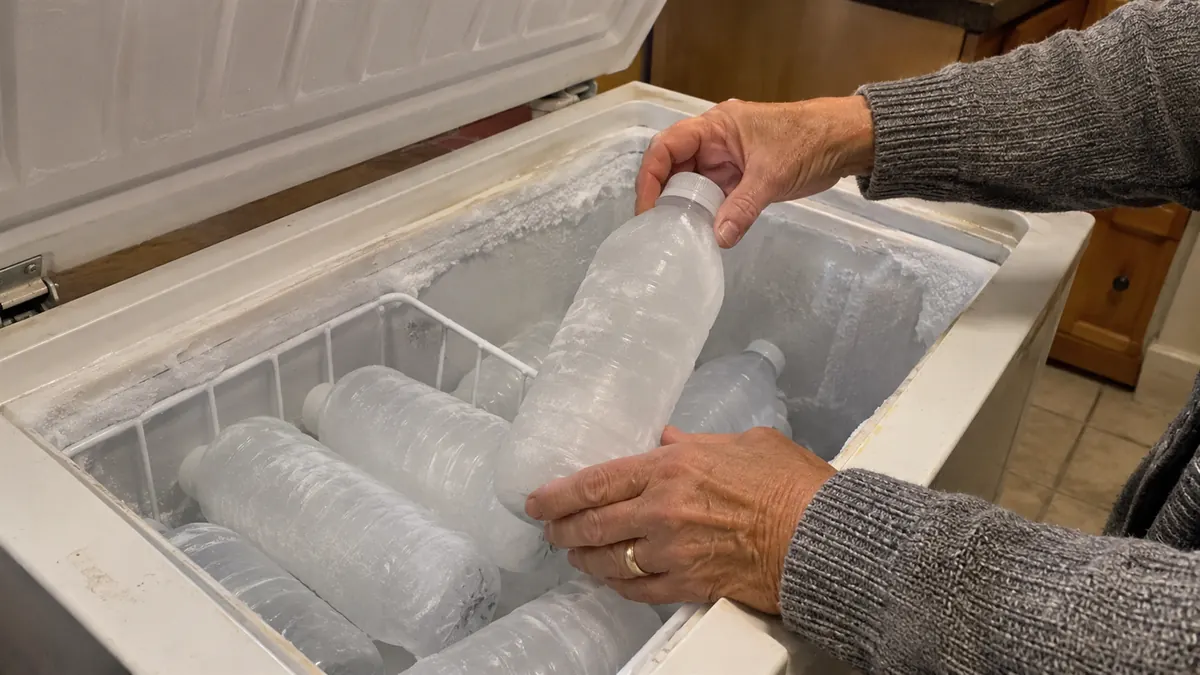
- Freeze water in plastic containers, with room at the top, to keep the fridge and freezer cold.
- Keep the car’s gas tank at least half full. Gas pumps need power too.
- Find the manual release on your garage door, in case it won’t open.
- Charge spare phone batteries, or keep a hand-crank or solar charger.
- Write down family phone numbers, including someone out of town.
- If you have a generator, keep fuel on hand and run it outdoors only, far from windows. Our free Crisis Survival Guide has a page on carbon monoxide.
- If you take medicine that needs the fridge, ask your pharmacist how long it keeps in a closed fridge.
If the power does go out, the weather service says the storm itself may last minutes to hours, but the effects can last “hours to weeks or longer.” It also asks people to use less power and stay out of elevators.
What to do: pick two items from that list and do them this week.
Frequently asked questions
Is a big solar storm coming in 2026?
Nobody can say weeks ahead. The sun is past its peak, but strong storms still happen in the years after a peak, so the chance isn’t zero.
Can a solar storm cause a blackout?
Strong ones can, as Quebec (1989) and Malmö, Sweden (2003) found out. Big ones are rare.
Is a solar storm the same as an EMP?
No. A solar storm pushes slow, steady currents into long power lines over minutes to hours. A nuclear EMP starts with a sudden pulse that lasts a split second. We compare the two in EMP vs Solar Flares vs Nuclear.
Where can I check solar storm alerts?
On NOAA’s Space Weather Prediction Center website, or on our live space weather page, which shows NOAA’s current level.
You can’t control the sun. You can control what’s in your freezer.
Sources
- Met Office, “‘Declining phase’ for Sun’s activity, but what’s next?” (January 29, 2026)
- NOAA Space Weather Prediction Center, NOAA Space Weather Scales
- NOAA NESDIS, “When Solar Storms Attack: Space Weather and our Infrastructure” (October 19, 2015)
- Transpower, “Transpower restores electricity transmission circuits after solar storm subsides” (May 13, 2024)
- Pulkkinen and others, “Geomagnetic storm of 29-31 October 2003” (Space Weather, 2005)
- USGS, Severe magnetic storm, November 11, 2025
- National Weather Service, Before an Extreme Solar Event
- National Weather Service, During an Extreme Solar Event
Reviewed by the EMP Survive editorial team, November 17, 2026.


Comments
Comments appear right away. We remove spam, sales links and personal attacks.
No comments yet. Yours can be the first.