Three years ago, I fractured a rib during a training exercise—nothing serious, just a bad fall on frozen ground. The ER visit, imaging, and follow-up made me think about what happens when those medical resources aren't available. In a complete grid-down situation, a broken rib can turn into a lung threat, and a hip fracture in an elderly prepper could be fatal. Herbal methods for bone healing aren't just alternative ideas—they are what pre-pharmaceutical societies relied on, and the scientific evidence for phytochemicals supports their use. That's why I've incorporated them into my resilience routine.
Over the past two seasons, I've focused on growing and testing two herbs discussed here. Both fit comfortably in a small garden bed, have proven mechanisms to support bone density and slow skeletal decline, and can be cultivated, harvested, and stored without special equipment. This is the aspect your prep plan is missing.
Evening Primrose: The Bone Density Builder You Can Grow Anywhere
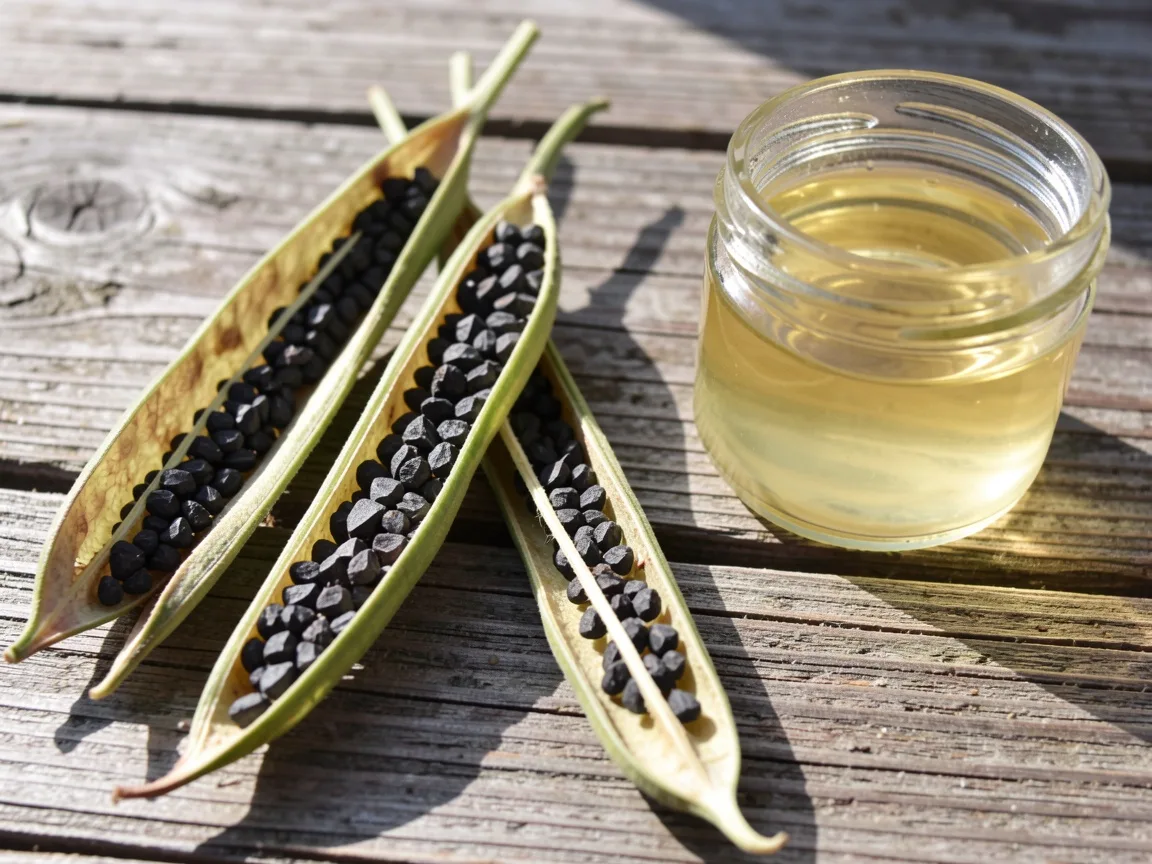
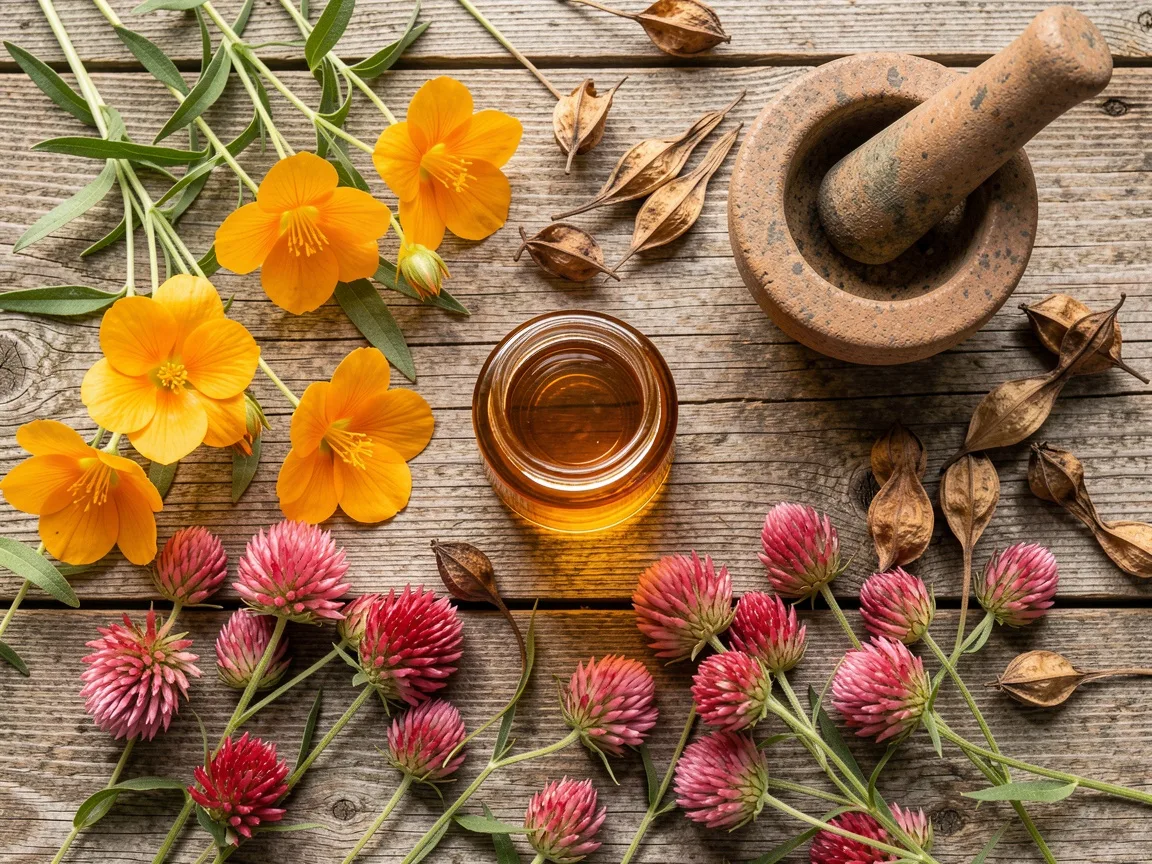
I learned through experience that evening primrose (Oenothera biennis) spreads rapidly — I spent two full seasons removing volunteers from nearby beds after my initial planting. Managing it early ensures you'll have one of the most productive medicinal plants in your garden. The key for bone health: the seeds contain about 28% oil by weight, rich in gamma-linolenic acid (GLA) and linoleic acid. These compounds promote osteoblast activity — the cells responsible for building bone — while also decreasing inflammatory signals that speed up bone loss. For post-menopausal women in a long-term power outage without access to hormone therapy, this is especially significant.
Evening primrose is a biennial, hardy in zones 3 through 11. That's nearly the entire continental US. Here's what I've found works in practice:
- Soil: Acidic, pH 5.5–7.0, with good drainage — waterlogged roots kill yield fast
- Light: Full sun maximizes seed oil content; partial shade is survivable but reduces output
- Spacing: 8 inches between seedlings, minimum 4 square feet per cluster
- Timing: Sow directly after final frost; cold-climate growers start indoors 6–8 weeks prior
Harvest seeds when pods are fully dry and brown — avoid rushing this step. Keep them whole in sealed glass jars, and grind fresh as needed because ground seeds lose potency quickly. For best absorption, cold-pressed oil is ideal, but a simple seed tea—one teaspoon of ground seed steeped in hot water for 10 minutes—also works well for daily consumption. Aim for 1–2 grams of seed or an equivalent amount of oil each day to support your bones. The flavor is earthy and slightly bitter; you'll find your taste preferences will adjust over time.
Red Clover: Slowing Bone Loss When Hormones Drop
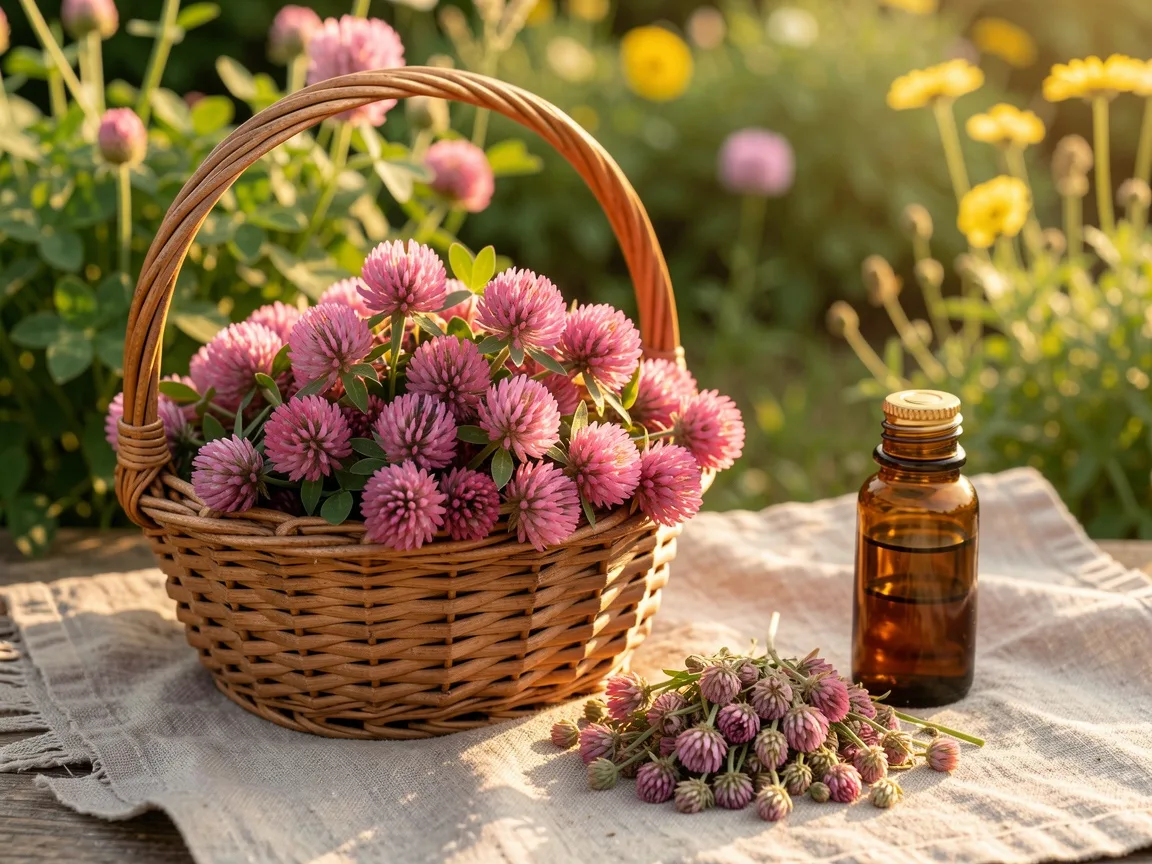
Red clover (Trifolium pratense) is the herb I recommend first to women preppers over 40. Its isoflavones — particularly genistein — act as phytoestrogens, mimicking estrogen signaling in bone cells. In practice, this means inhibiting osteoclast activity. Osteoclasts are the cells that resorb bone. Slow them down, and you slow bone loss. Research has documented measurable increases in bone density among women at risk for osteoporosis who consistently consumed red clover isoflavones for 6–12 months. That timeline is exactly why you start now, not when the grid goes down.
Red clover is hardy in zones 3–8 and, in my experience, more forgiving than evening primrose. It's also a nitrogen-fixing legume, which means it improves soil for companion herbs in the same bed. Cultivation basics:
- Soil pH: Minimum 6.2 — more neutral than evening primrose prefers
- Spacing: 8–10 inches apart, planted 0.25 inch deep after the last frost
- Water: Regular irrigation until established; becomes drought-tolerant after that
- Yield: 2–3 cuttings annually, depending on your location and management
Timing the harvest is essential for maximizing medicinal benefits. I harvest flower heads 1–2 weeks after they bloom, which my tests show contains the highest isoflavone levels. Leaves collected before the flowers bloom also contain potent medicinal compounds. The method is important: only remove the flower heads, leaving roots and stems intact so the plant can regrow for subsequent harvests. To prepare, steep 1–2 tablespoons of dried flowers in hot water for 5–10 minutes. The tea is mild and slightly sweet — one of the most palatable medicinal teas I've made. For extended shelf life, create a tincture by combining 1 part herb with 4 parts high-proof spirit, macerating for 4–6 weeks. A well-made tincture can last over 10 years.
Building Your Cultivation and Storage Pipeline
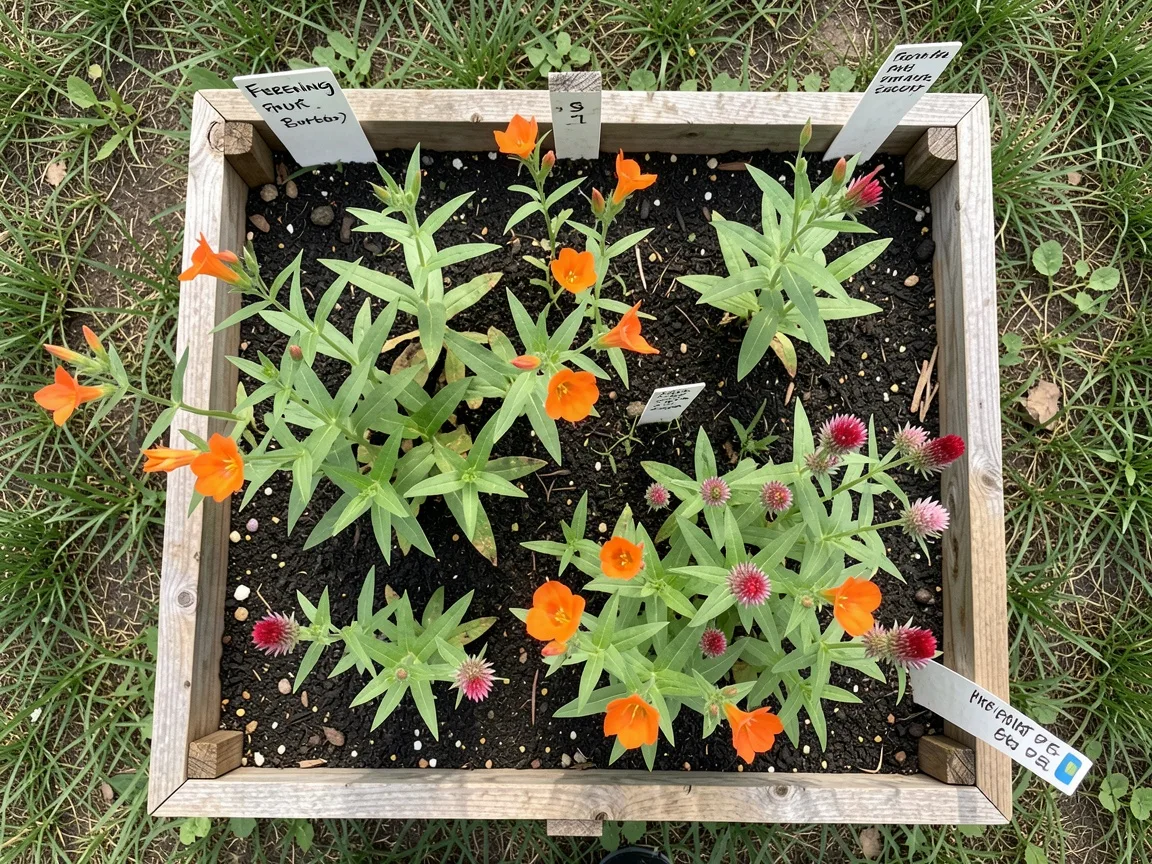
I grow both herbs in an 8-square-foot dual bed. They work well together because they have compatible soil needs if I adjust the pH for each zone, and red clover helps by fixing nitrogen, which benefits nearby plants. Here's the approach I follow:
- Test soil pH first. An inexpensive test kit prevents wasted seasons. Amend acidic for evening primrose, neutral for red clover.
- Stagger your sowings. Evening primrose's biennial cycle means you need Year 1 and Year 2 plants simultaneously for continuous seed production.
- Save seeds aggressively. Allow 10–15% of your crop to self-seed. Evening primrose seeds remain viable for 4+ years stored cool and dry. Red clover seed saves easily, too.
- Process for long-term storage. Evening primrose seed ground and vacuum-sealed with oxygen absorbers holds potency for approximately 5 years. Red clover flowers are air-dried in a dark, ventilated space for 7–10 days, then stored in paper bags away from light, retaining their medicinal value for 2–3 years.
Both plants grow in 5-gallon containers if you're in a mobile scenario or working with limited space. I've tested this specifically — yield drops compared to ground planting, but medicinal production remains viable. That mobility advantage matters if your situation changes.
Realistic Expectations and Protocol Integration
I want to be clear about what these herbs can and cannot do. They won't fix an acute fracture without proper immobilization, nor will they reverse severe osteoporosis in just a week. What they do—steadily and measurably—is support the biological environment that allows bones to grow and stay healthy over time. That's the realistic benefit, and it becomes particularly valuable in a long-term grid-down scenario.
I layer these herbs into a broader bone protocol that includes:
- Weight-bearing physical activity — even basic manual labor stimulates bone remodeling
- Vitamin D maximization — sun exposure prioritized, cod liver oil in storage rotation
- Dietary calcium from foraged sources — bone broth, crushed eggshells, wood ash (used carefully) all provide bioavailable calcium
- High-protein diet — osteoblast function depends on amino acid availability
Bone density changes occur over 6–12 months of consistent supplementation. If you wait until a crisis to start, you've already lost the window. The populations most at risk in extended-grid-down scenarios — women over 40, elderly preppers, growing children in long-term situations — are also the ones who benefit most from starting this protocol now. Check out our guide on planning a resilient survival garden for companion planting strategies that maximize your medicinal yield per square foot.
Start This Weekend, Not When the Grid Falls
Skeletal health is a vital long-term asset for preparedness. While most preppers focus on food, water, and security, few consider the slow, silent threat of bone loss, which worsens with physical stress, nutritional shifts, and hormonal imbalances—conditions often present in a grid-down scenario. Evening primrose and red clover are not exotic plants; they are proven, easy to grow, and storable. I have been cultivating both for two years and currently have a 12-month supply processed and stored. This weekend, take one practical step: order non-GMO, heirloom seeds for these herbs from a reputable supplier and acquire a soil pH test kit. That's all you need—everything else depends on these two steps. Comment below with your growing zone, and I will help you plan the optimal time for your first planting.