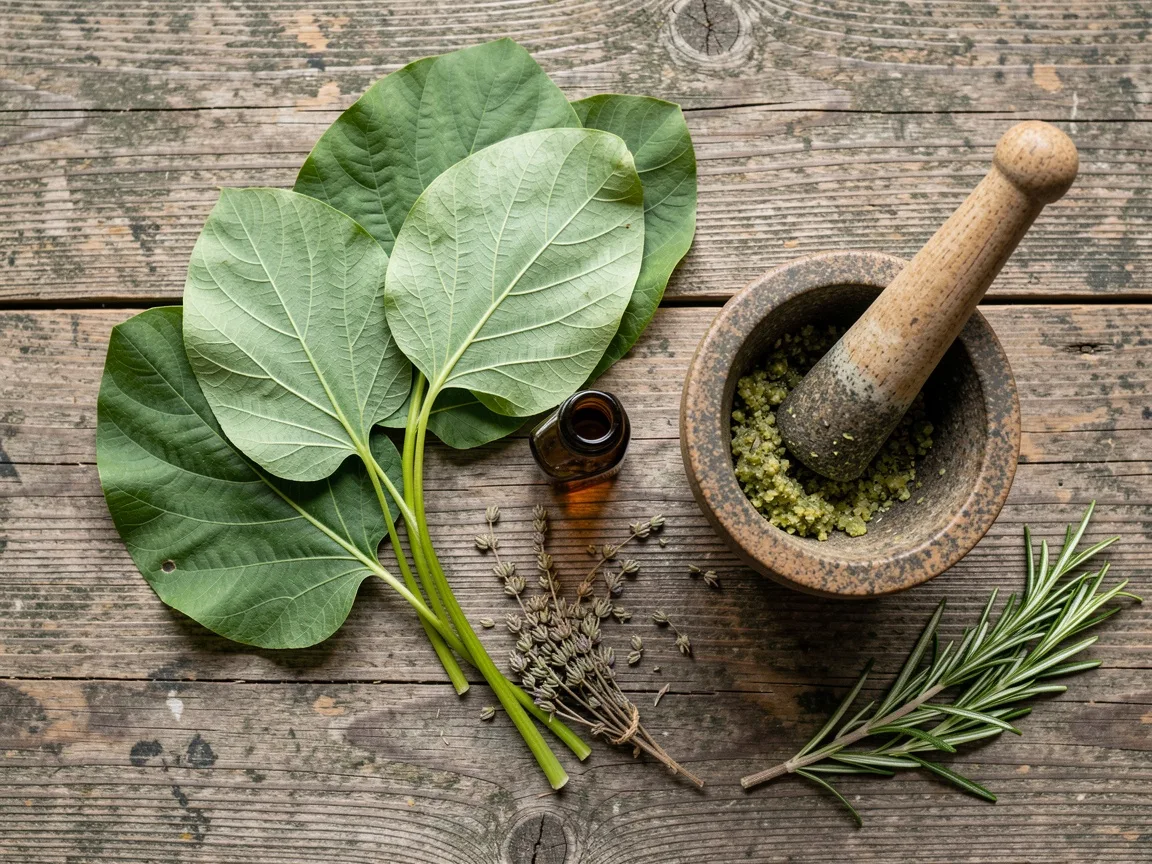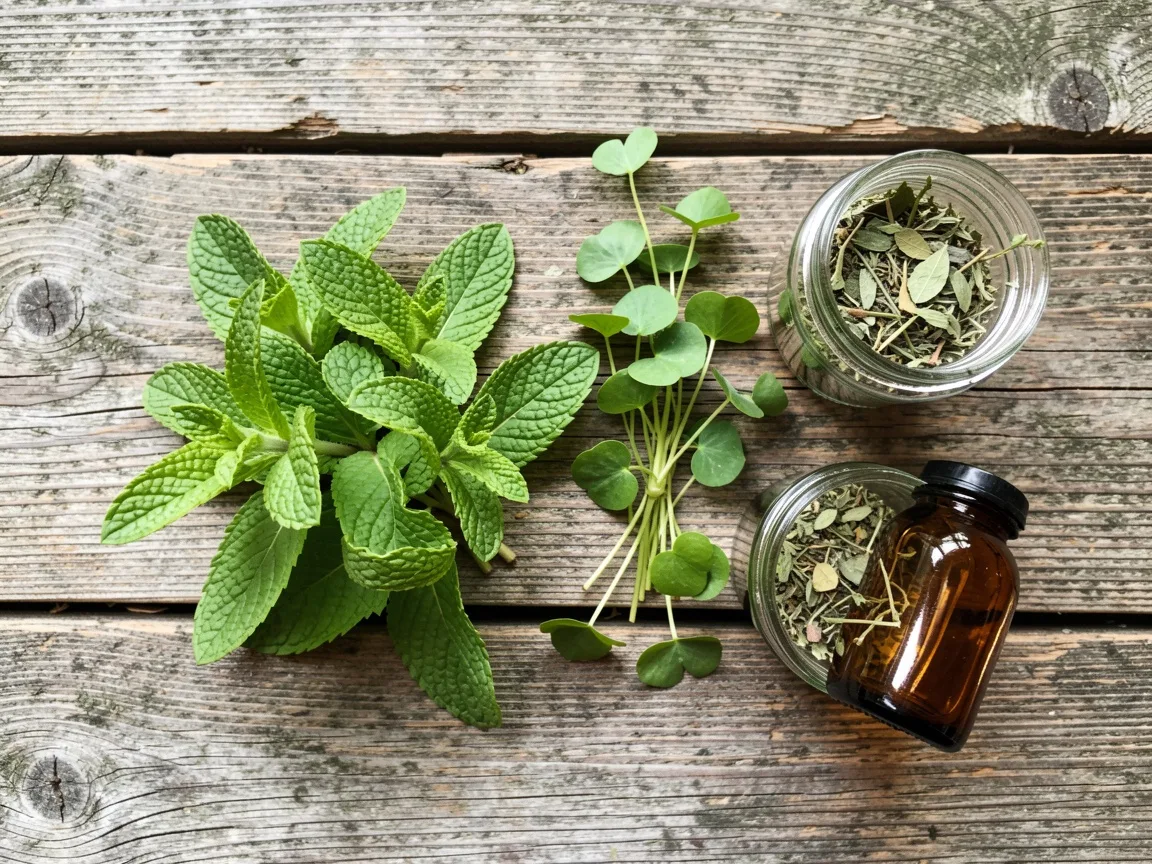
Roughly 70 million Americans deal with some form of digestive disease — and that number assumes a functioning healthcare system with open pharmacies. That statistic stopped me cold when I started mapping post-event medical vulnerability across the preparedness community. GI problems are among the most common complaints after any disaster: contaminated water, stress, unfamiliar food, and disrupted gut flora. If antacids, anti-diarrheals, and antiparasitic medications disappear from the supply chain, most people have nothing to fall back on. I've spent the better part of two growing seasons testing medicinal herbs for digestive health that anyone can grow in a small backyard plot — and two species keep earning their place in every layout I design.
This guide covers peppermint and sheep sorrel — not because they're trendy, but because they're cold-hardy, low-input, high-yield, and clinically relevant for the GI complaints most likely to arise in a grid-down scenario. I'll give you real yield expectations, zone-specific growing notes, preparation methods, and storage timelines. No vague wellness framing. Just what works, why it works, and how to grow enough of it to matter.
Peppermint: The Digestive Workhorse You Already Underestimate
Peppermint (Mentha piperita) earns its reputation. The active compound — menthol — relaxes smooth muscle in the GI tract, which is the actual mechanism behind its relief of indigestion, bloating, nausea, and cramping. That's not folk medicine. That's pharmacology you can grow in a 3-square-foot space. I've confirmed in my own plots that a well-managed stand of peppermint can produce 2–3 ounces of dried leaf per square foot per harvest cycle, with two to three full harvests per season if you time your cuts correctly.
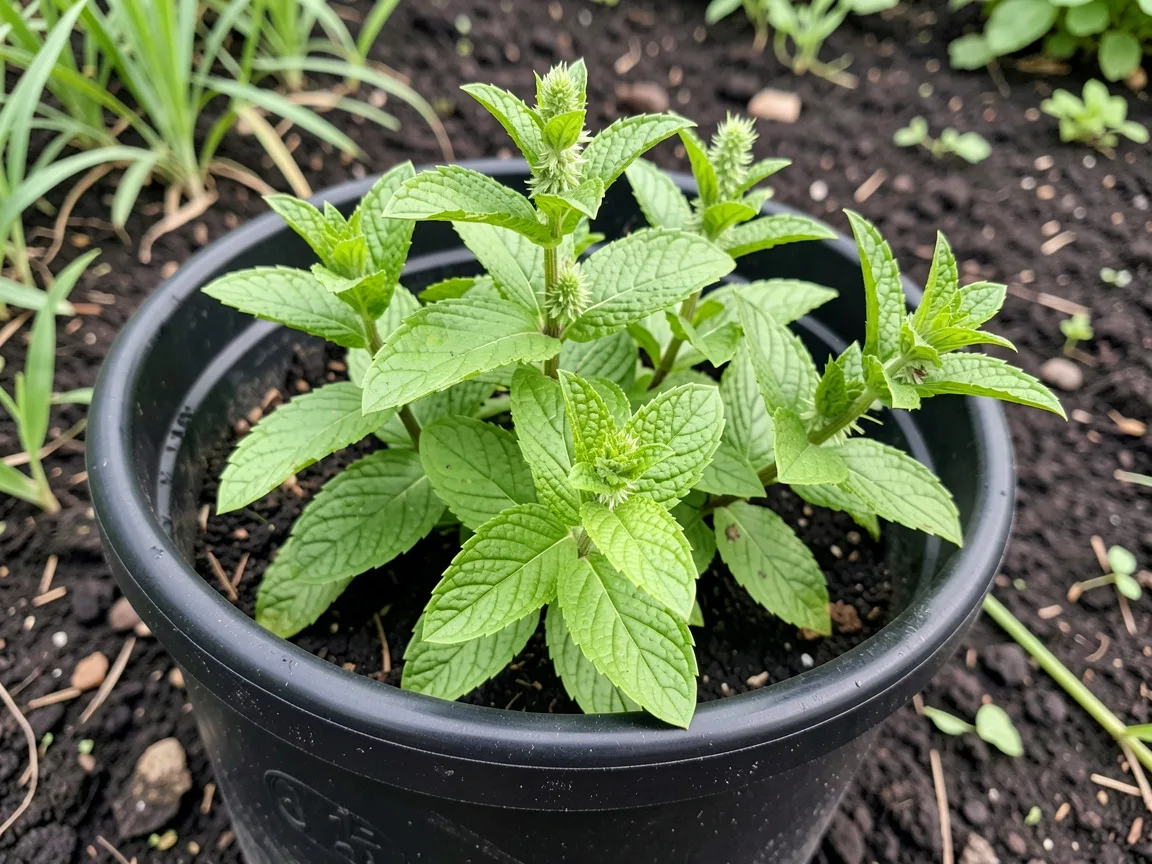
Peppermint grows in zones 3–11 with root hardiness down to zone 5. Soil pH should sit between 6.5 and 7.0 for peak output, though the plant tolerates a range of 5.6–7.5. Set transplants 18–24 inches apart in spring. It wants moisture but punishes waterlogged roots — I've lost plants to standing water faster than to frost. Partial shade is acceptable, which matters when you're designing around existing structures or shade trees.
Here's the yield decision that most gardening sites miss: never grow peppermint in open ground if you can avoid it. I learned this the hard way — a single neglected plant sent runners under a raised bed frame and came up on the other side two seasons later. Use 5–10 gallon containers. You can still sink those containers into a garden bed for aesthetic purposes, but the pot barrier prevents the spread. For a grid-down medicinal garden, containment means predictable yield. Uncontrolled spread means peppermint colonizing space you need for food crops.
For medicinal potency, timing your main harvest matters more than most growers realize:
- Continuous pinching — harvest leaves and stem tips as needed throughout the season for fresh tea use
- Full-cut harvest — when buds form but before flowers open, cut the entire plant back to the second leaf set; this is peak menthol concentration
- Second and third cuts — allow regrowth of 8–10 inches before cutting again; typically two more harvests are possible before frost
- Drying — hang bundles upside-down in a dark, well-ventilated space; leaves should crumble cleanly when properly dried, typically within 1–2 weeks
For digestive complaints, brew 1–2 teaspoons of dried leaf per cup of water at roughly 200°F (just off the boil), steep for 10 minutes, and drink 2–3 times daily. Peppermint also has documented analgesic properties useful for headaches, arthritis pain, and nerve pain — versatility that multiplies its value per square foot in any preparedness layout. One caution: avoid peppermint tea if you have acid reflux or GERD, as it can relax the lower esophageal sphincter and worsen symptoms.
Sheep Sorrel: The Survival Crop Most Preppers Have Never Planted
Sheep sorrel (Rumex acetosella) is genuinely one of the most overlooked medicinal plants in the preparedness space, and I think that's a sourcing problem — it's not at every garden center. Once you find the seeds, it becomes one of the most self-sufficient plants in your arsenal. Hardy to zone 1. That covers Alaska. That covers northern Canada. I've tested it in poor, sandy soil with zero amendments, and it outperformed plants I'd fertilized in better beds. It actively prefers poor, well-drained loamy soil — which means it's a zero-input crop when pharmaceutical supply chains are down, and garden amendments aren't available.
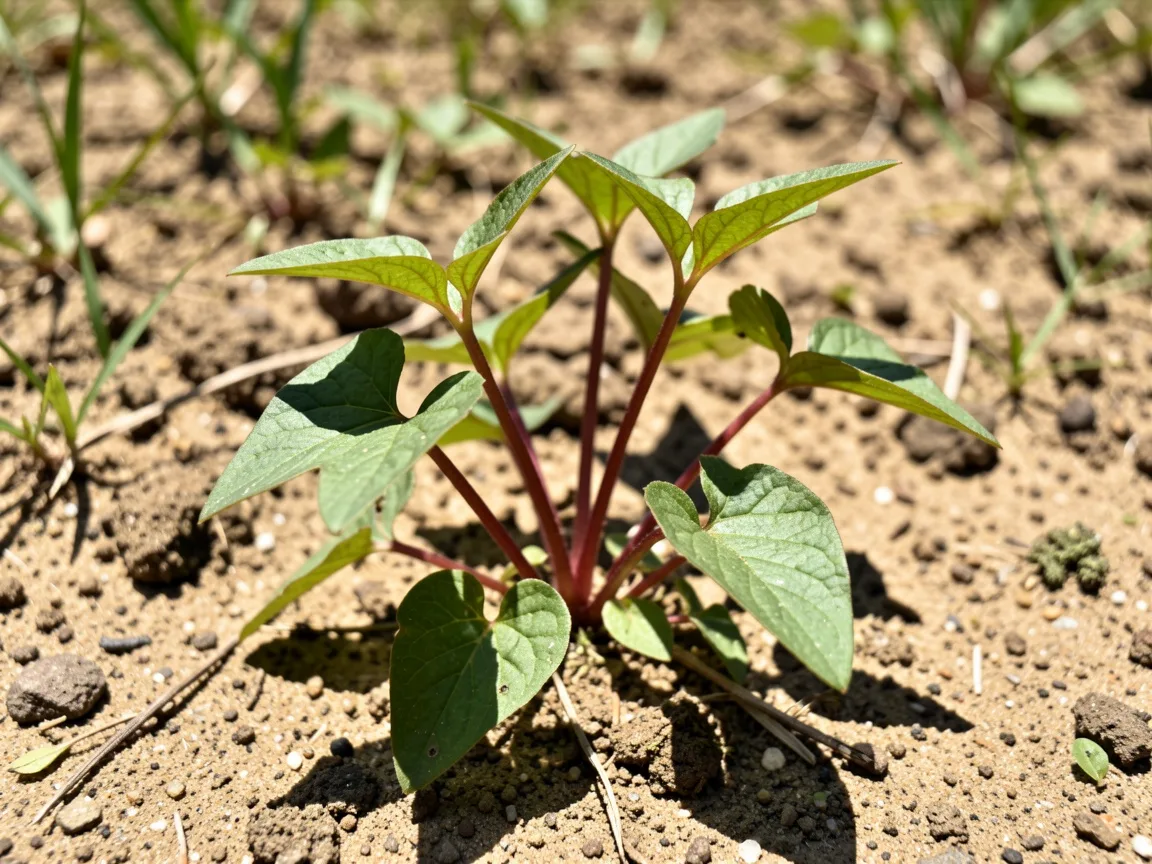
Direct sow in spring in a full-sun location. Spread seeds on the soil surface, cover with approximately ¼ inch of soil, tamp firmly, and water. Keep the surface moist until germination and early establishment — after that, this plant largely takes care of itself. It reaches a mature height of around 16 inches. Give it 2 square feet per planting cluster. Soil pH of 5.5–6.8 is optimal, which means it thrives in mildly acidic conditions that would challenge many other crops.
The triple-harvest strategy is what makes sheep sorrel genuinely productive for preparedness purposes:
- Young leaf harvest — begin harvesting small young leaves as soon as the plant is established; do this continuously through the season for fresh preparation
- Full cut for larger yield — cut the plant for bulk leaf material when it reaches full height; allow regrowth and repeat
- Root recovery at season's end — pull the entire plant before hard frost to recover the roots, which carry concentrated medicinal compounds and are valuable for powder and capsule preparation
Medicinally, sheep sorrel is primarily known for antiparasitic action — it has a documented history of use against intestinal worms and parasites, which become a very real post-event health threat when water and sanitation degrade. It also supports kidney and urinary function and is used in whole-body detoxification protocols. Prepare it as tea, fresh juice, dried powder, or capsules for long-term storage. One important contraindication: the oxalic acid content in sheep sorrel means people with kidney stones, kidney disease, or gout should use it cautiously. It is not appropriate for use during pregnancy. I flag this in every preparedness context because post-event medicine means using judgment without a physician available.
Manage seed spread by removing mature seed heads before they drop — sheep sorrel will volunteer aggressively if you let it go to seed in unwanted areas.
Harvest, Drying, and Long-Term Storage That Actually Holds Potency
Growing these plants is half the equation. Storage determines whether your three-year supply of dried peppermint is still medicinal or just dried grass. I've tested stored herb batches going back several years, and here's what I've found: properly dried and stored peppermint leaf retains usable potency for 1–2 years in glass containers, and for 2–3 years in airtight glass containers stored in darkness and cool temperatures. The aromatic test is your primary quality indicator — if you crush a dried leaf between your fingers and get a strong, sharp menthol scent, the menthol content is still intact. If it smells like hay, discard it.
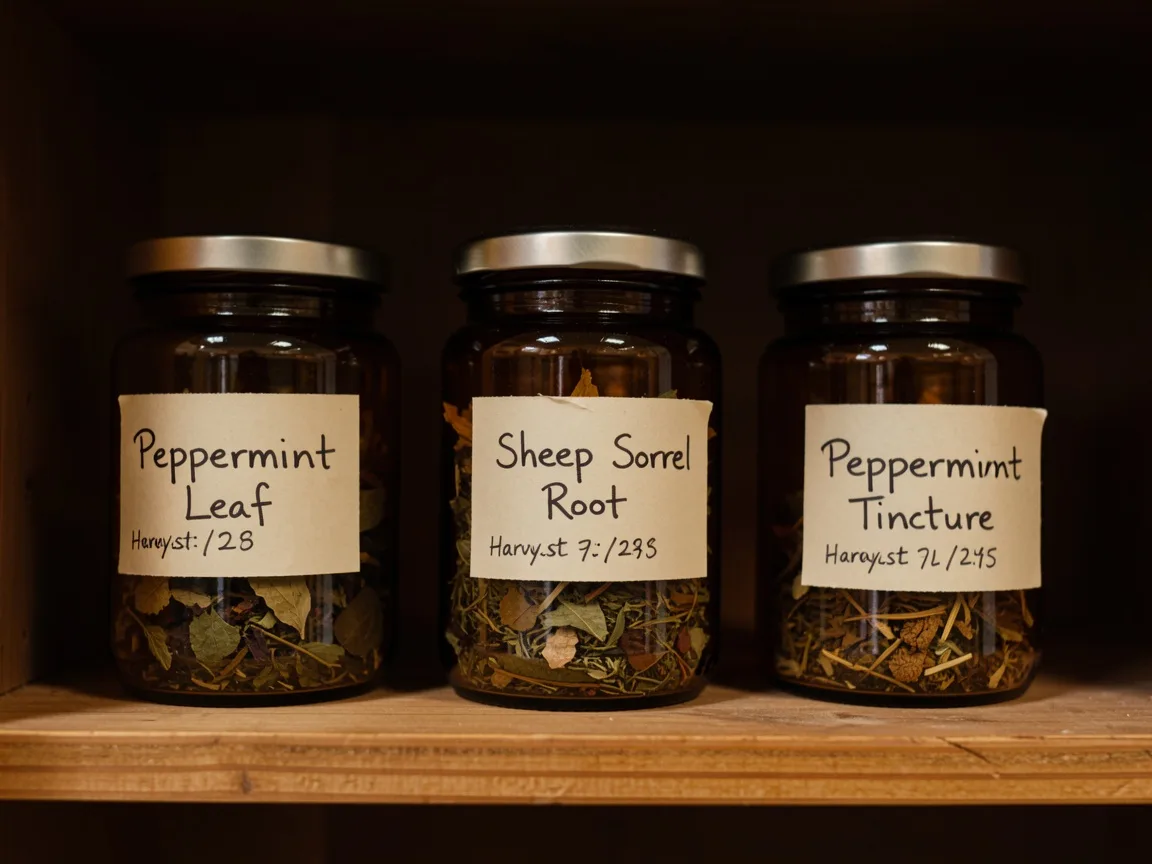
Sheep sorrel root dried to powder and stored in airtight containers holds well for 1–2 years. Encapsulated powder extends this slightly by reducing exposure to oxidation. Making your own capsules requires a capsule-filling machine (widely available; manual models are fully functional without electricity) and size 00 gelatin or vegetable capsules — both available in bulk.
Core storage protocol for both herbs:
- Dry completely before storage — any residual moisture causes mold; leaves should crumble, not bend
- Store in glass, not plastic — tinted glass is superior; amber or dark green reduces light degradation
- Cool, dark location — consistent temperature below 65°F significantly extends shelf life
- Label with harvest date — rotation matters; use oldest stock first and replace annually if possible
Tinctures extend your storage timeline significantly. A standard tincture uses 1 part dried herb to 5 parts food-grade alcohol (80-proof vodka works; 100-proof is better for extraction efficiency). Steep 4–6 weeks in a sealed glass jar, shake daily, strain, and store in dark glass dropper bottles. Alcohol-preserved tinctures can remain effective for 5+ years when stored properly. For digestive applications, a typical dose is 1–3 ml diluted in water, taken before meals. I cover water quality requirements for herb preparation in detail in our water purification guide — the short version is that contaminated water renders medicinal herb tea entirely ineffective.
Garden Layout and Zone Adaptation for Serious Yield
You need roughly 5 square feet total to run both species at a useful production scale: 3 square feet for containerized peppermint and 2 square feet for sheep sorrel in open ground. That's a corner of a raised bed, a section of a south-facing fence line, or a small dedicated medicinal plot. I've mapped this configuration into dozens of preparedness garden layouts, and it consistently delivers meaningful yield without competing with food production space.
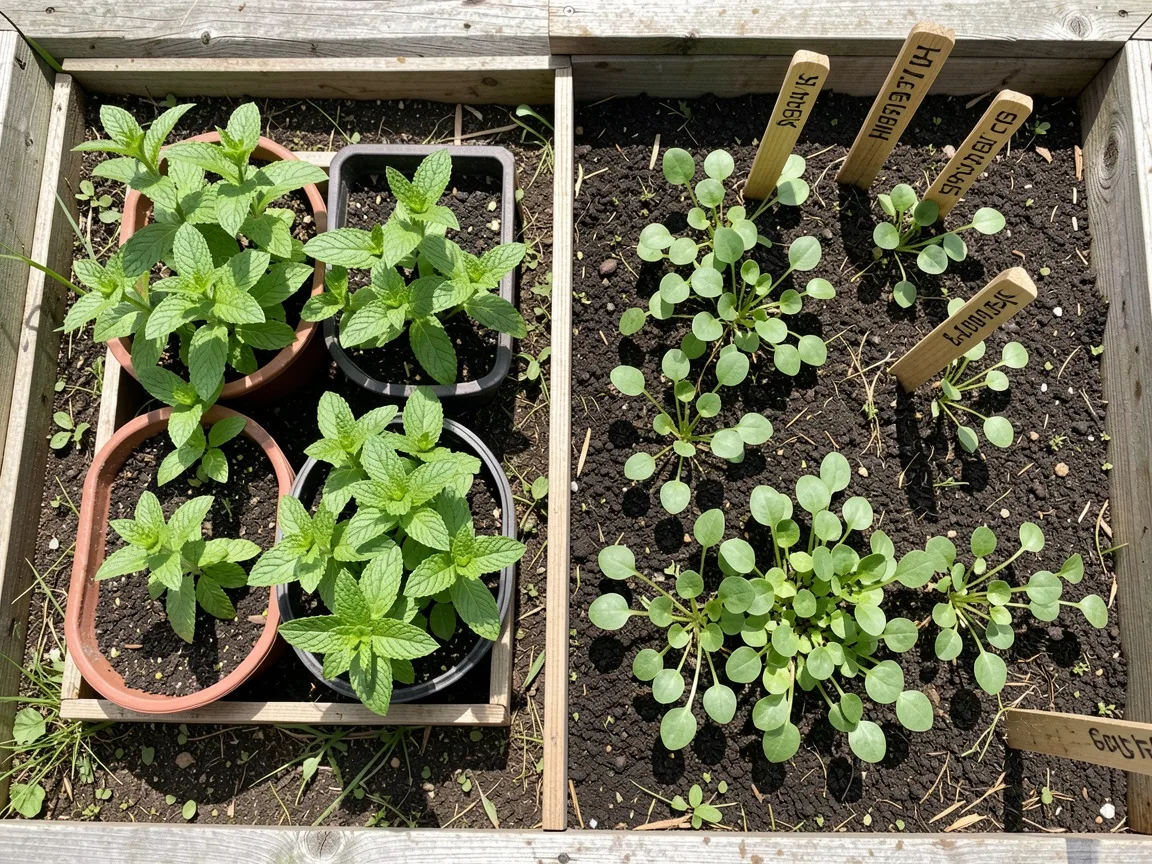
Microclimate positioning matters. Sheep sorrel wants full sun — give it your sunniest exposure. Peppermint tolerates partial shade, which means you can tuck it where taller plants or structures create afternoon shadow. This also helps in hot southern climates (zones 8–11) where afternoon shade prevents peppermint from bolting and reduces watering demand. In zones 1–3, sheep sorrel's extreme cold hardiness is your primary advantage — it will come back when more tender herbs won't. For peppermint in zones 1–4, treat it as a container annual or overwinter containers in an insulated garage or root cellar; the roots survive to zone 5 in the ground.
For season extension in cooler climates, simple row covers or cold frames push your harvest window 3–4 weeks in both spring and fall without any electronic equipment — a meaningful advantage when you're trying to maximize dried herb stock before winter. These plants integrate naturally into a broader medicinal herb strategy; if you're building out a full homestead herb formulary, position this digestive pair alongside your wound care and respiratory herbs. Our guide on first aid without pharmacies covers the broader medical preparedness framework these herbs slot into.
Start This Weekend — Not Someday
Your digestive health infrastructure takes one growing season to establish. Peppermint from transplant reaches harvestable stage within weeks. Sheep sorrel from seed produces young leaves within a month of germination under good conditions. The window to get both in the ground is now, not after the next disruption. Order open-pollinated, non-hybrid seed stock so you can save seeds year over year — that's true self-reliance. Store those seeds alongside your food seed supply as detailed in our long-term food storage guide. Pick one herb, source your seeds or transplants this week, and get it in the ground or into a container before the weekend is over. One plant today is infinitely more useful than a perfect plan that never gets executed.