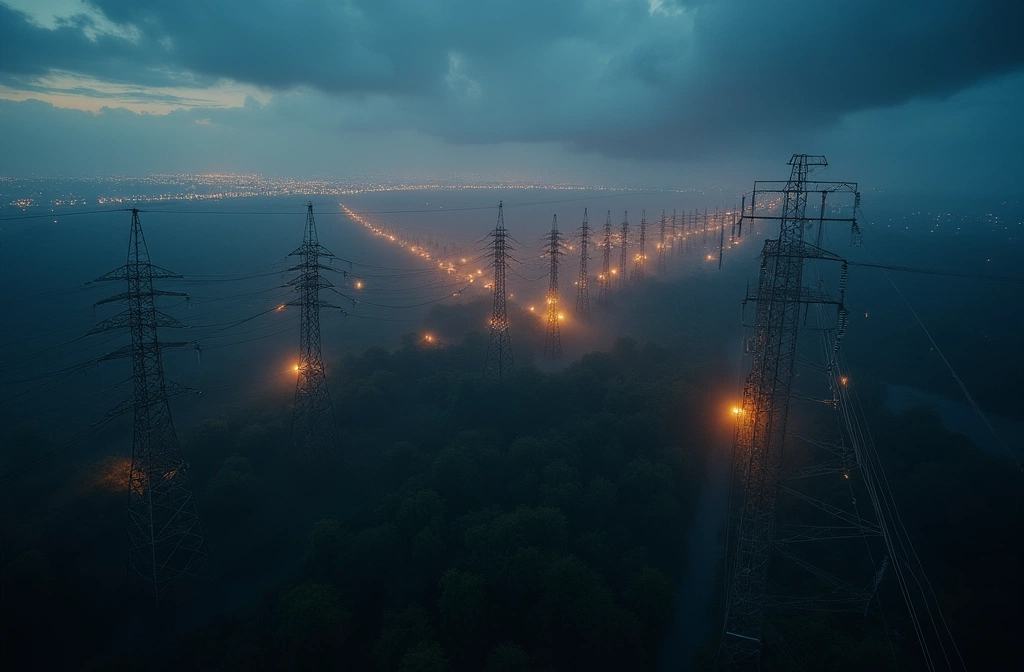
On July 27, 2026, the Department of Energy issued a Level 3 Energy Emergency Alert affecting 17 US states, according to reporting from Hindustan Times and WTHR. The alert was triggered by extreme heat conditions that threaten to overwhelm grid capacity and increase blackout risk across multiple regions.
According to the DOE, the emergency order is explicitly designed to "mitigate the risk of blackouts" during the dangerous weather period. US Energy Secretary Chris Wright stated the order aims to "maintain affordable, reliable, and secure power for hardworking American families and businesses." The alert will remain in effect through August 3.
This matters because Level 3 alerts represent high-consequence grid stress. When demand spikes due to cooling loads during extreme heat events, generation capacity and transmission infrastructure face simultaneous pressure. Sustained demand above reserve margins can cascade into rolling blackouts—uncontrolled outages that ripple across regions as operators shed load to prevent total system failure. Extended outages create compounding risks: loss of refrigeration, water pumping, medical equipment operation, and communications infrastructure that depends on grid power or battery backup.
The timing is significant. The alert spans a full week, suggesting meteorologists and grid operators expect sustained heat pressure, not a single-day spike. Multi-day heat events strain not just peak demand but the thermal cycling of equipment itself, reducing operational margins further.
What to watch: Grid operators will likely issue additional emergency appeals for voluntary load reduction (thermostat adjustments, shifting appliance use to off-peak hours). Public announcements of rolling blackout schedules—or their absence—will signal whether operators maintain control or face unplanned outages. Watch for state-level emergency declarations, which often precede physical blackouts by hours.
For households in affected states: Ensure battery backup for critical loads (medications, communication devices). Test backup power systems now rather than during an outage. Monitor local utility communications for load-reduction appeals and blackout schedules. This is not speculation—grid stress this severe merits concrete preparation.