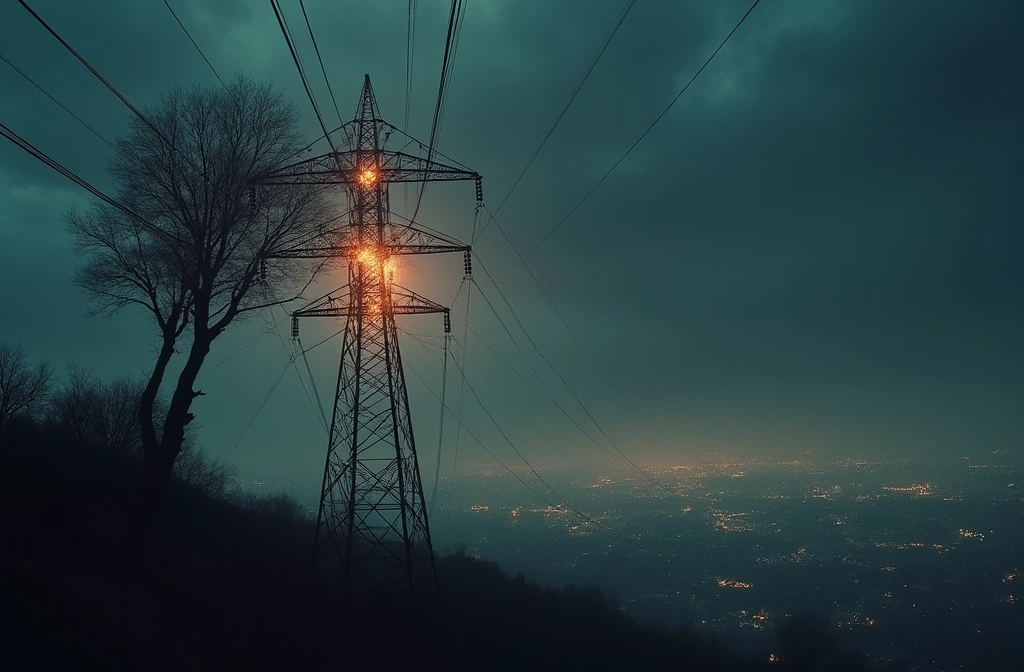
On August 14, 2003, a tree branch made contact with a transmission line in Ohio, initiating what became the largest power outage in North American history. According to Click on Detroit's reporting, the incident unfolded as a systems failure: a software bug at the utility prevented alarms and warnings from triggering as designed, blocking operators from detecting and responding to the cascade in real time.
This matters because it exposes a critical vulnerability in grid architecture. The blackout wasn't caused by a single catastrophic failure — it was caused by a combination of ordinary events: vegetation management, software reliability, and operator visibility. Any one of those layers, if functioning correctly, could have contained the outage.
For preparedness analysts, the 2003 blackout illustrates two enduring grid risks. First, automated monitoring systems can fail silently, leaving operators flying blind during emerging crises. Second, vegetation and routine maintenance represent ongoing, repeatable failure vectors — not one-time events. Utilities may manage these risks differently today, but the fundamental challenge remains: electrical grids are designed to operate with high efficiency and low redundancy. That design trades safety margin for cost.
The cascade effect is also instructive. A localized problem in Ohio propagated across multiple state boundaries and affected millions within hours. This suggests that even well-separated grid regions remain tightly coupled when cascades begin — a fact that modern smart-grid upgrades have only partially addressed.
For readers: Review your own grid dependency vulnerabilities — not because blackouts are imminent, but because this class of outage (weather-triggered, compounded by automation failure) occurs regularly at smaller scales. A 2-3 day personal supply buffer for water, medication, and food remains proportional insurance. Track your utility's vegetation management and monitoring systems investments in public filings; this data may signal infrastructure maturity in your region.
