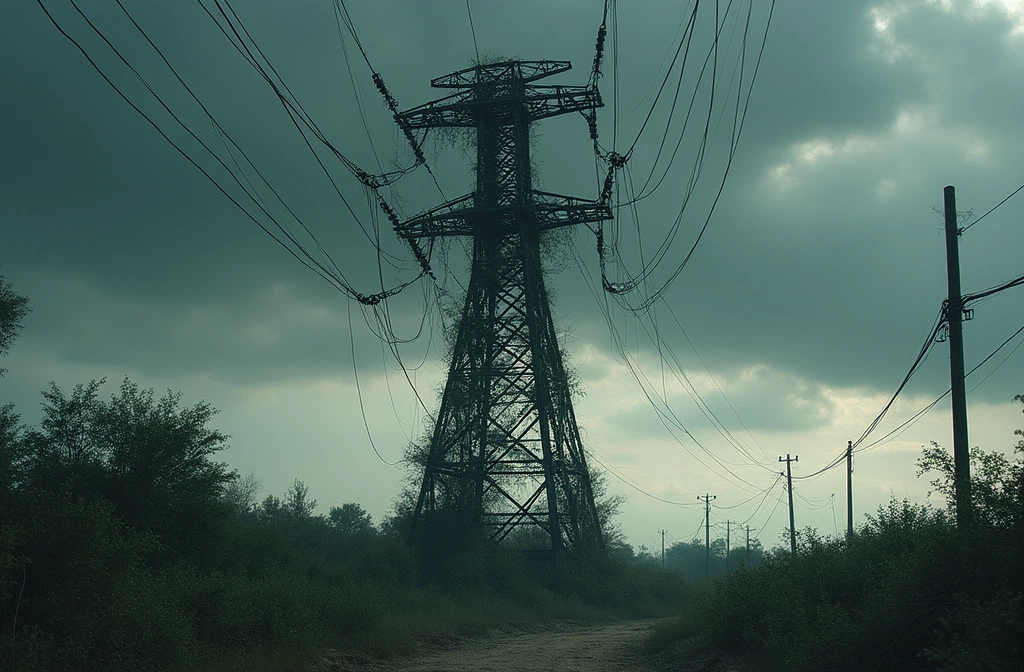
In summer 2003, an invasive deciduous tree native to China—commonly called the 'tree of heaven'—made contact with a sagging power line in the northeastern United States, according to Popular Mechanics. The event cascaded into the biggest blackout in North American history.
This incident exemplifies a critical infrastructure vulnerability: the grid's sensitivity to single-point failures in vegetation management and transmission line maintenance. The tree species, now established across North America, grows aggressively and reaches significant heights—conditions that make future similar incidents possible wherever the species has taken root near power corridors.
For preparedness analysis, this case study matters because it demonstrates that catastrophic grid failure doesn't require sophisticated attack, solar event, or equipment failure. It requires one tree, one sagging line, and the cascade dynamics already built into an interconnected power system. Popular Mechanics' reporting suggests the 2003 event exposed gaps in vegetation management protocols and line tension monitoring that regulated utilities should have addressed in the two decades since.
The invasive tree of heaven continues spreading across the continent. It's now established in most U.S. states and Canadian provinces. No coordinated eradication program exists. Meanwhile, aging transmission infrastructure across North America operates with minimal redundancy—the same condition that existed in 2003.
What distinguishes this from other grid risks: it's not seasonal (solar storms), not geopolitical (cyber or kinetic attack), and not sudden (unlike equipment failure). It's chronic, growing, and present in real time across multiple grid zones. Utilities have 20+ years of post-2003 data on where these trees thrive and where lines sag. The fact that similar vulnerabilities persist suggests either resource constraints, regulatory gaps, or acceptance of residual risk that warrants scrutiny.
For readers: monitor local utility maintenance schedules and vegetation trimming reports in your area. Preparedness for grid outages—water storage, backup power, communications redundancy—remains proportional to baseline risk regardless of cause.
