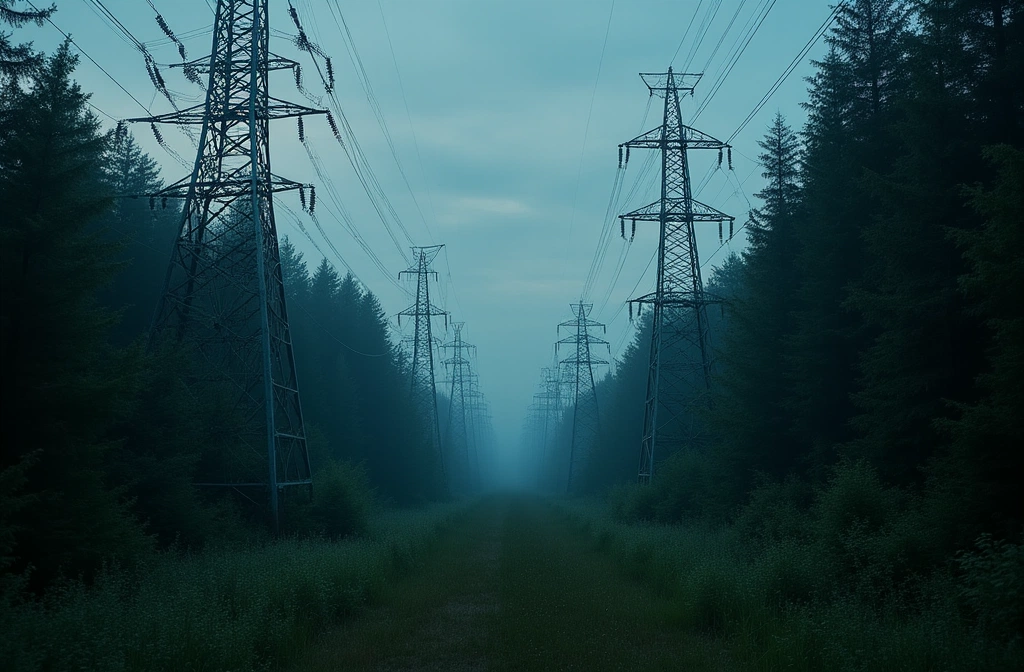
According to Daily Galaxy reporting on the 2003 Northeast blackout, the cascading failure was initiated by an invasive tree species and a sagging power line. The outage interrupted approximately 61,800 megawatts of electrical load and affected an estimated 50 million people across the United States and Canada. Restoration was uneven: some communities regained electricity within hours, while parts of the region remained without power for as long as four days, according to the final U.S.-Canada Power System Outage report.
Why this matters now: The 2003 event exposed a critical vulnerability in grid design—single points of failure in vegetation management and infrastructure maintenance can cascade into continental-scale blackouts. An invasive tree species (reported as Tree of Heaven) contacted a sagging transmission line. The system lacked sufficient redundancy or automated response protocols to contain the fault.
Two decades later, invasive species continue to spread across North America, and aging transmission infrastructure remains a known constraint on grid operators. The Daily Galaxy reporting suggests these failure modes have been documented and studied, yet similar risk conditions may persist in other regions.
This is not speculative grid anxiety. This is documented failure mode analysis. The 2003 blackout was not an act of God or an exotic attack—it was preventable infrastructure decay meeting biological pressure. The gap between documented risk and mitigation across the grid remains a preparedness-critical blind spot.
For infrastructure planners and grid operators, this serves as a 23-year-old reminder: vegetation management at scale is not glamorous, but deferred maintenance on basic hardening creates catastrophic risk. For prepared individuals, the 2003 precedent is instructive: even in a developed economy with modern communication, a major blackout produced 4-day outages in parts of the affected region. That timeline should anchor your backup power assumptions.
