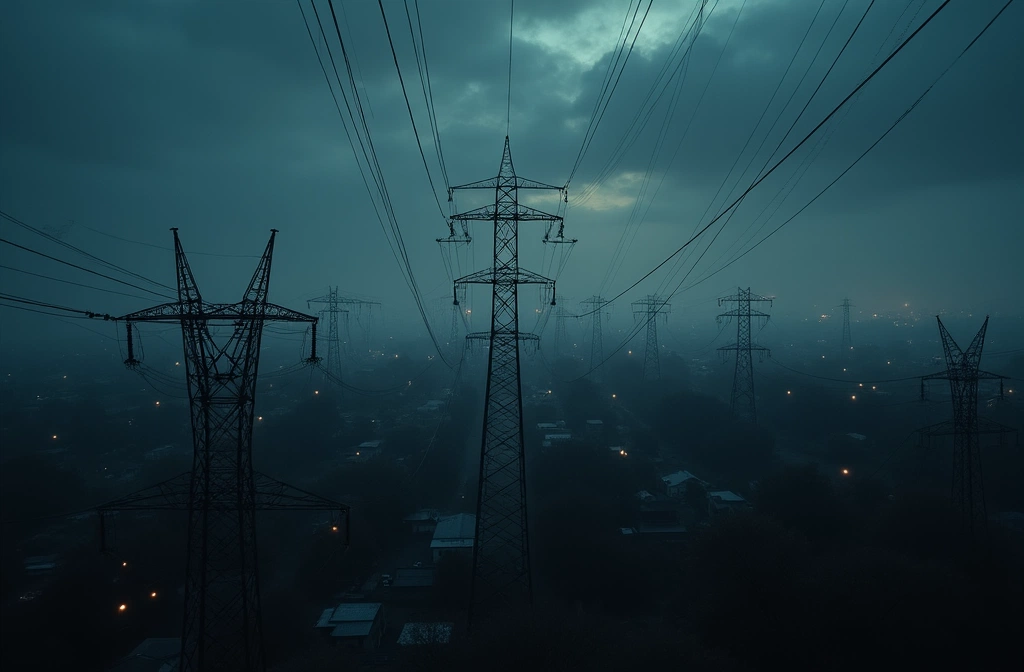
On Tuesday afternoon, a damaging straight-line windstorm confirmed as a derecho left more than 250,000 customers without power across Northern Indiana Public Service Company (NIPSCO) territory—the largest outage in the utility's history, according to local reporting from WSBT.
A derecho is a widespread, organized windstorm sometimes characterized as an inland hurricane. Unlike isolated thunderstorms, derechos produce sustained, coordinated wind damage across large geographic areas, making them particularly destructive to overhead transmission and distribution lines.
Why this matters: Grid-level events of this magnitude expose the vulnerability of centralized power distribution to weather extremes. When a single weather event can take a quarter-million people offline simultaneously, it tests not just utility response capacity but also supply chains for repair materials, fuel for backup generation, and emergency services coordination.
The scale of NIPSCO's outage—a company record—suggests either the derecho was exceptionally severe in that region or grid infrastructure in that service area faces particular exposure to wind events. Either scenario has implications for how quickly power restoration can occur and how dependent customers should be on external grid stability.
Repair operations themselves may face delays: utility crews working in post-storm conditions often encounter secondary hazards (downed lines, debris, damaged access routes), which slows restoration timelines beyond what pre-event estimates suggest.
What to watch: Future reporting on restoration timelines and geographic patterns of damage will clarify whether this was an anomalous event or signals recurring vulnerability in NIPSCO's grid architecture. Additionally, monitor whether this event prompts utility or regulatory focus on hardening standards for extreme wind resilience in the region.
