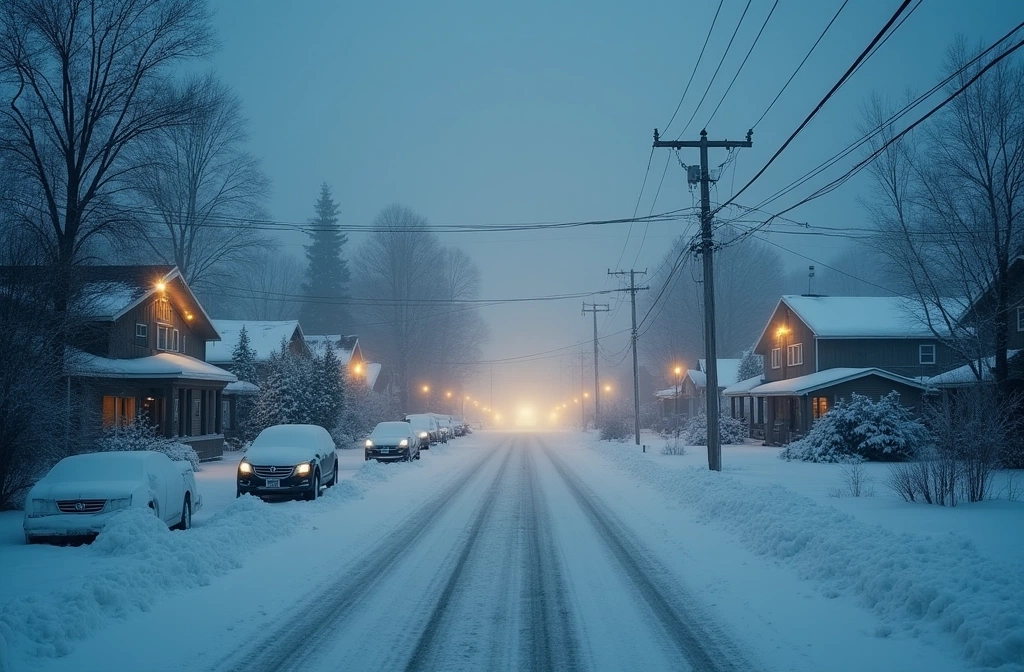
A severe winter storm warning has been issued for over 54,000 residents across Montana, Wyoming, Minnesota, and the St. Louis region, according to Newsweek. The system is moving fast—dangerous impacts are forecast to arrive within minutes of the warning's issuance. Authorities have issued explicit shelter-in-place orders, instructing people to remain in lower levels of their homes and stay away from windows for up to 13 hours.
Here's why preppers need to pay attention: Rapid-onset winter events like this expose critical vulnerabilities in regional infrastructure. Heavy snow and high winds strain power distribution systems. If ice accumulates on transmission lines or wind gusts exceed design thresholds, you're looking at potential cascading outages affecting the 54,000-person zone—and possibly beyond. Road closures will isolate communities. Emergency services response times will extend. Supply chains hiccup. This is not doomsday talk; this is operational reality.
The 13-hour shelter-in-place window is a hard deadline. If you're in the warning zone, you need to assume zero resupply during that period and potentially 24–48 hours after.
ACTION NOW:
Check your location against the warning zone (Newsweek sources above). If you're in Montana, Wyoming, Minnesota, or St. Louis region, verify your county via NWS.gov right now. Stock 72 hours of non-perishable food, water (1 gallon per person per day minimum), and batteries. Top off fuel tanks today—gas stations may close or run dry.
Audit your shelter integrity: Inspect windows, doors, and roof condition. Ensure you have blankets, sleeping bags, and alternative heat sources (safe indoor options: camping stove with ventilation, propane heater rated for indoor use). Test your generator and confirm fuel supply. Charge all devices and portable power banks now.
This storm will pass. But the pattern is clear: sudden, localized crises are your training ground. Use this one to identify gaps in your 72-hour kit.
—Morgan