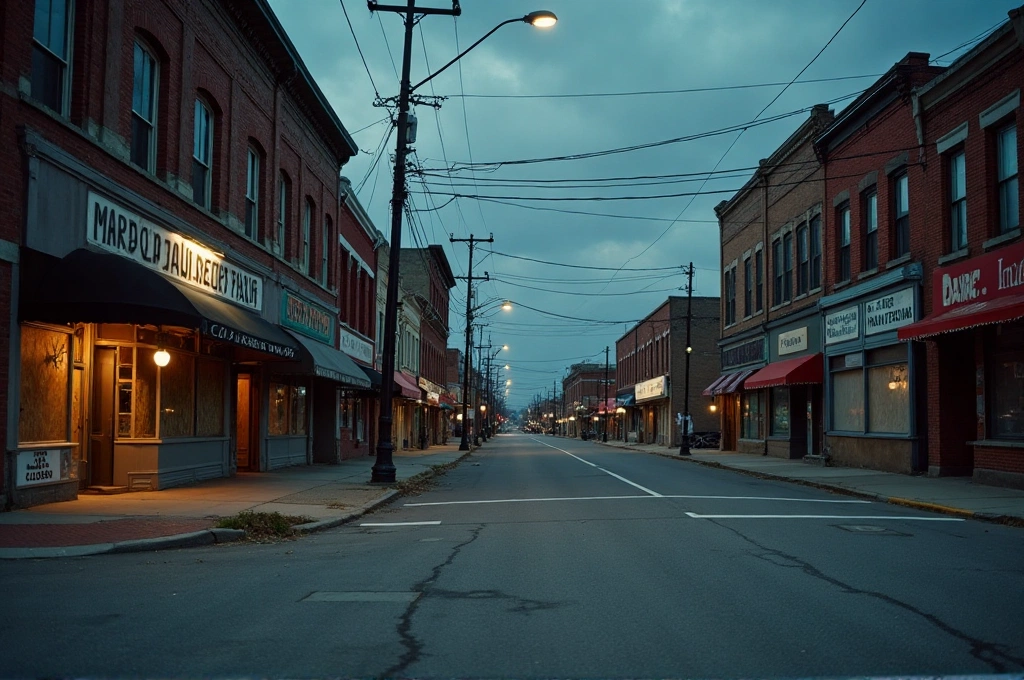
A restaurant operator reported to Business Insider an eight-day complete power loss following a storm event, resulting in $19,000 in lost sales. Simultaneously, an active blackout is affecting Gary, Indiana, with restoration timelines unclear.
This pairing illustrates a critical vulnerability in grid resilience and business continuity planning. A week-long outage—well within the realm of severe weather or localized infrastructure failure—translates directly into operational collapse for businesses without backup power systems. The $19K loss represents not just foregone revenue but potential employee payroll gaps, spoiled inventory, and permanent customer defection during recovery.
Gary's ongoing blackout adds weight to the pattern: mid-sized urban areas with aging electrical infrastructure remain acutely vulnerable to cascading failures. Extended outages (5+ days) overwhelm backup diesel generators, deplete battery reserves, and exhaust manual workarounds. Hospitals, water treatment, fuel pumps, and supply chains all degrade simultaneously.
For preparedness planning, this event underscores that grid failures are not hypothetical. Business Insider's reporting reflects real economic impact occurring right now, not in projections. The eight-day duration is particularly significant—it exceeds the typical 72-hour emergency assumption and enters territory where supply chains, fuel logistics, and communication systems show strain.
What to watch: Extended outages (7+ days) in population centers. They reveal which infrastructure segments fail first and whether utilities can coordinate rapid restoration across multiple jurisdictions. Gary's current status is a live test of grid recovery under realistic conditions.
