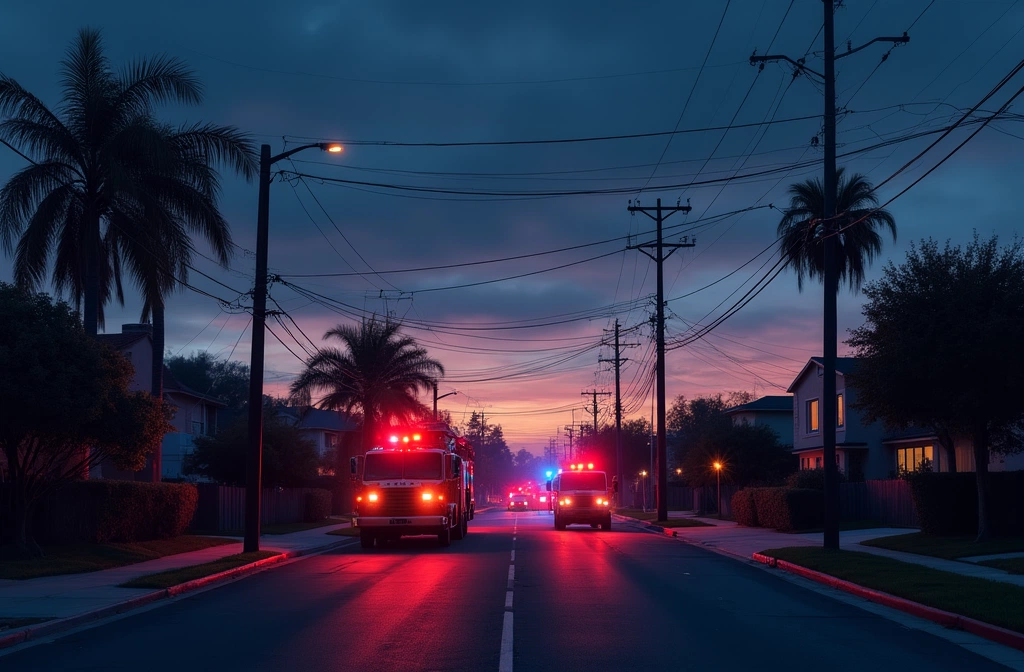
On August 12, 2026, nearly 8,500 customers lost power in South San Jose, California. PG&E has not yet identified the root cause, according to reporting from The Cool Down.
Even brief outages in densely populated areas like South San Jose create immediate cascading disruptions: work stoppages, childcare interruptions, and routine household failures. But this incident points to a deeper structural problem.
The Cool Down identifies three categories of underlying vulnerability in California's power grid: aging and failing infrastructure, excessive demand strain, and extreme weather exposure. Data centers—a rapidly growing load on Western grids—add another layer of pressure to a system already operating near capacity margins.
What makes this notable isn't the size of this particular outage. It's the context. California's grid has faced increasing stress from both supply and demand sides. Aging infrastructure hasn't kept pace with modernization timelines. Peak demand continues to climb. And the state remains exposed to weather-driven disruptions, particularly during heat events that drive air conditioning loads.
The fact that the cause is "still under investigation" suggests this wasn't an obviously planned maintenance action or a publicly disclosed equipment failure. That opacity is itself a signal: utilities often take time to confirm root causes when the mechanism is unclear.
What to watch: Future PG&E communications on the cause. If this was weather-related, infrastructure-related, or demand-driven, each tells a different story about grid resilience. Watch whether similar outages cluster in the next 60-90 days—that pattern would suggest systemic stress rather than isolated failure. Monitor whether California's grid operator (CAISO) issues any statements about capacity margins or operational concerns during the same period.
For preparedness-focused households in California grid areas: this is a calibration event. If you lack backup power, water storage, or a communications plan for 4-8 hour outages, this is your signal to close those gaps. Outages of this scale happen—they will happen again—and recovery timelines are unpredictable.
