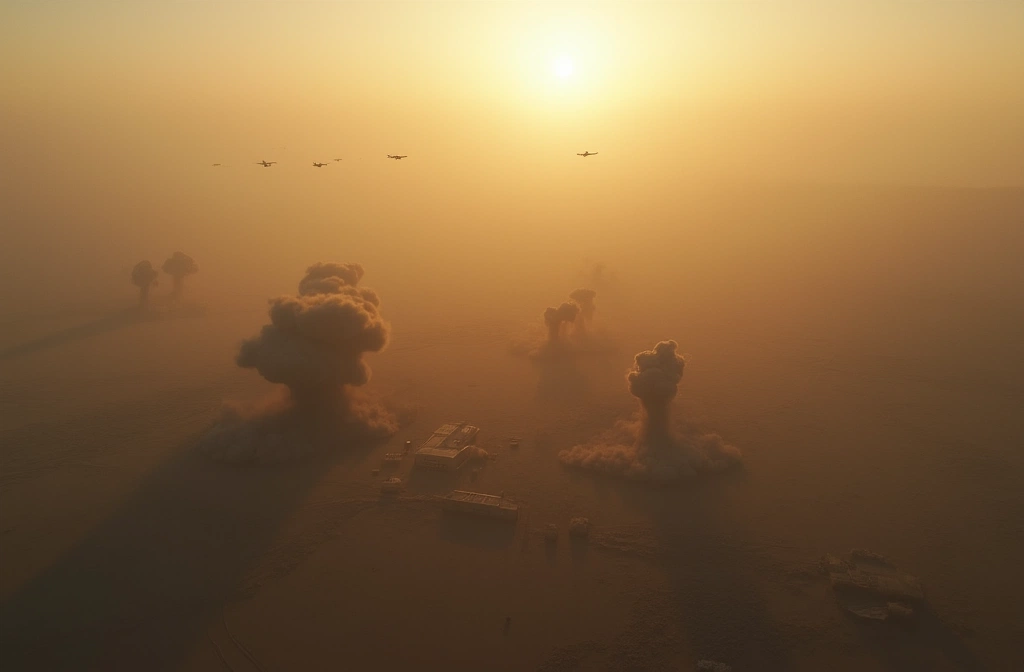
According to Al Jazeera, Admiral Brad Cooper appeared before lawmakers on Capitol Hill to defend the outcomes of US-Israeli military strikes against Iran. Cooper's testimony focused on the degradation of Iranian military and defense capabilities resulting from the campaign.
This is a developing situation with limited sourcing. The admiral's public defense of the strikes suggests the operation is being framed as achieving its stated objectives, though the specific systems, locations, or scale of degradation were not detailed in available reporting.
For preparedness analysis: Regional conflict escalation—particularly involving Iran and US-Israeli military operations—carries potential implications for global energy markets, maritime chokepoint security (Persian Gulf/Strait of Hormuz), and US military posture globally. Such conflicts can disrupt oil supply chains, affect commodity pricing, and strain logistics networks that downstream critical infrastructure depends on.
The congressional testimony format indicates this is being handled through official channels rather than as a surprise tactical action, which may suggest some stabilization effort alongside the military campaign. However, the duration, scope, and trajectory of these operations remain unclear from current reporting.
Watch for: Further congressional testimony or official statements clarifying the scope of strikes; any Iranian response or counter-escalation; statements from regional allies (Gulf states, Israel); energy market reactions; and official communication about the campaign's objectives and intended end-state. Each of these signals will help clarify whether this represents a contained operation or a broader conflict trajectory.