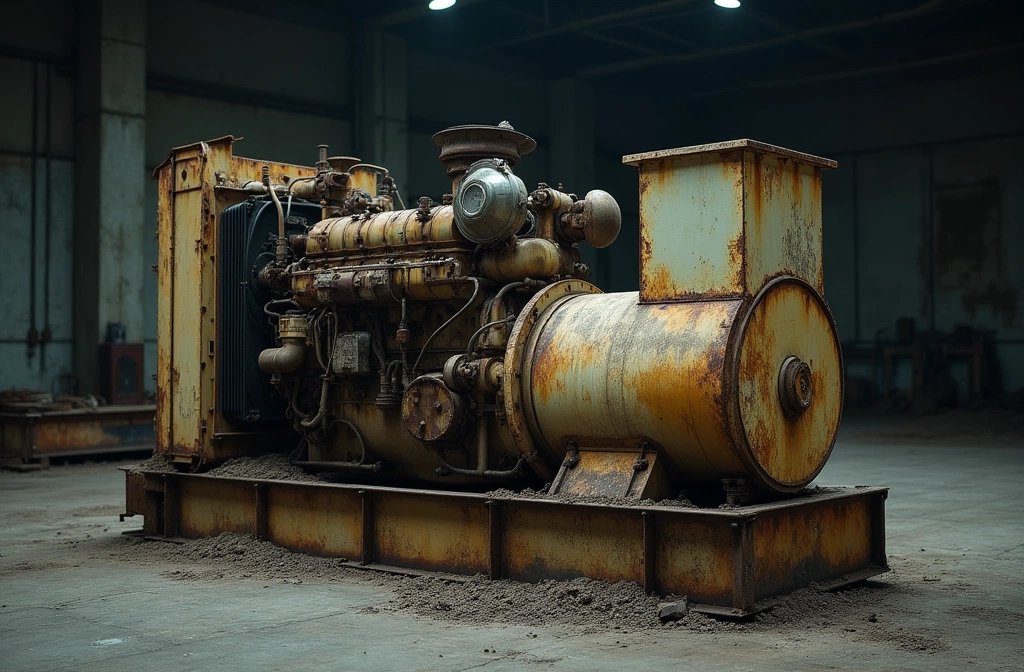
According to reporting from The Cool Down, a homeowner discovered that a backup generator purchased in 1998—despite only 25 hours of operation—failed to start when needed during a grid outage. The machine's light usage history provided a false sense of security; dormancy alone does not preserve generator reliability.
This case illustrates a systemic assumption many preparedness-minded households share: if equipment hasn't been heavily used, it should perform when activated. The reality is more complex. Generators rely on fuel system integrity, battery charge, oil condition, and mechanical seals that degrade over time regardless of runtime. Propane systems, in particular, can develop corrosion, fuel line blockages, and carburetor buildup during extended storage—even in climate-controlled conditions.
For infrastructure and household resilience, this matters. Backup power is often the first-line defense during grid failures, weather events, or other disruptions. A generator that won't start is a generator that doesn't exist. Unlike vehicles that receive regular maintenance cycles or industrial equipment with scheduled inspections, backup generators frequently sit dormant for years, often forgotten until they're actually needed.
The failure also suggests a broader pattern worth monitoring: How many households and small businesses depend on aging backup systems that have never been stress-tested? How many assume minimal-use equipment will perform on demand? If a significant grid event occurred, cascading failures of backup power systems—not just lack of power itself—could compound response times and community vulnerability.
What to watch: Industry reports on backup generator failure rates during actual outages, and whether manufacturers or emergency management agencies begin recommending regular load-testing protocols for dormant equipment. This single incident may be a leading indicator of a larger cohort of untested, aging backup infrastructure reaching critical points simultaneously.
