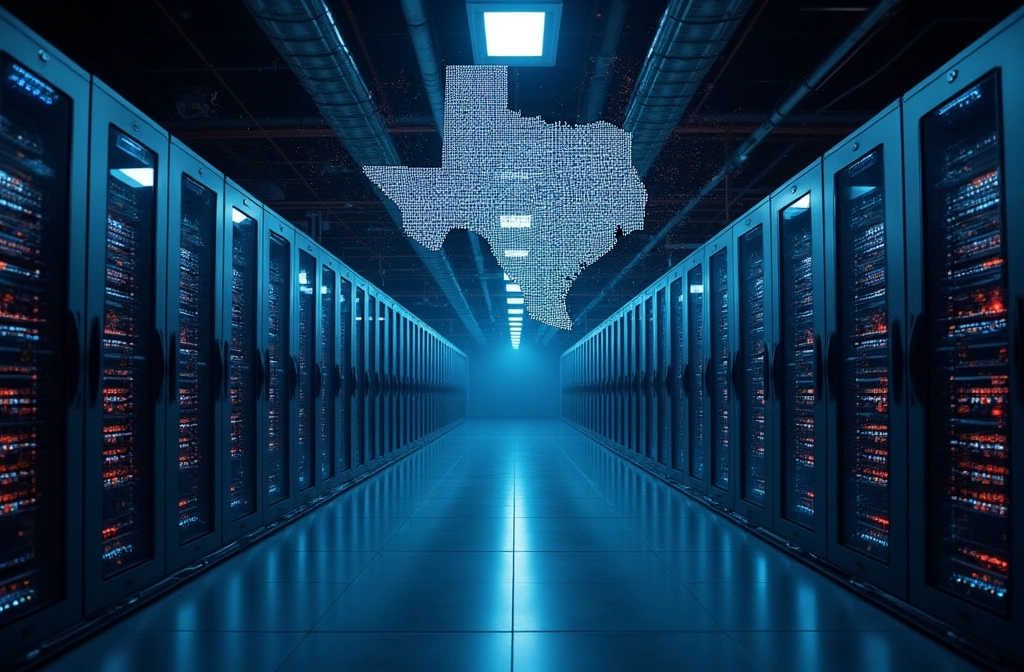
Forbes reported that Russia's inability to conduct traditional bombing campaigns against Western targets has shifted focus toward cyberwarfare targeting energy infrastructure. The article specifically identifies AI data centers and Texas's ERCOT grid as emerging battlegrounds in this new operational environment.
This matters because energy grids underpin everything else—communications, water treatment, hospitals, supply chains. AI data centers in particular consume massive amounts of power and sit at the intersection of critical national infrastructure and military-grade computing capability. If either target experiences sustained compromise or disruption, cascading effects across dependent systems become possible.
The ERCOT grid (Electric Reliability Council of Texas) already operates with tight margins during peak demand. It has experienced weather-driven stress events in recent years. A cyberattack targeting grid control systems—not necessarily destroying physical infrastructure, but disrupting operational visibility or load balancing—could theoretically force cascading blackouts across a region serving millions.
AI data center vulnerability is different but equally concerning. These facilities are attractive targets because they're both economically significant and support advanced defense and intelligence operations. Compromise of control systems, cooling infrastructure, or power distribution could force extended outages, degrading U.S. AI capabilities and creating secondary effects across finance, research, and national security systems.
What separates this from conventional infrastructure concerns is targeting specificity. Cyberattacks don't require geographic proximity, large-scale military deployment, or detection through traditional intelligence collection. They're deniable, repeatable, and can be staged during periods of political tension or crisis for maximum impact.
Watch for: Public disclosure of attempted intrusions into ERCOT or major data center operators; changes in grid operator protocols or emergency procedures; increased regulatory attention to cyber resilience in energy sectors. These signals would suggest threat actors are probing defenses and that defenders are responding to elevated risk.
