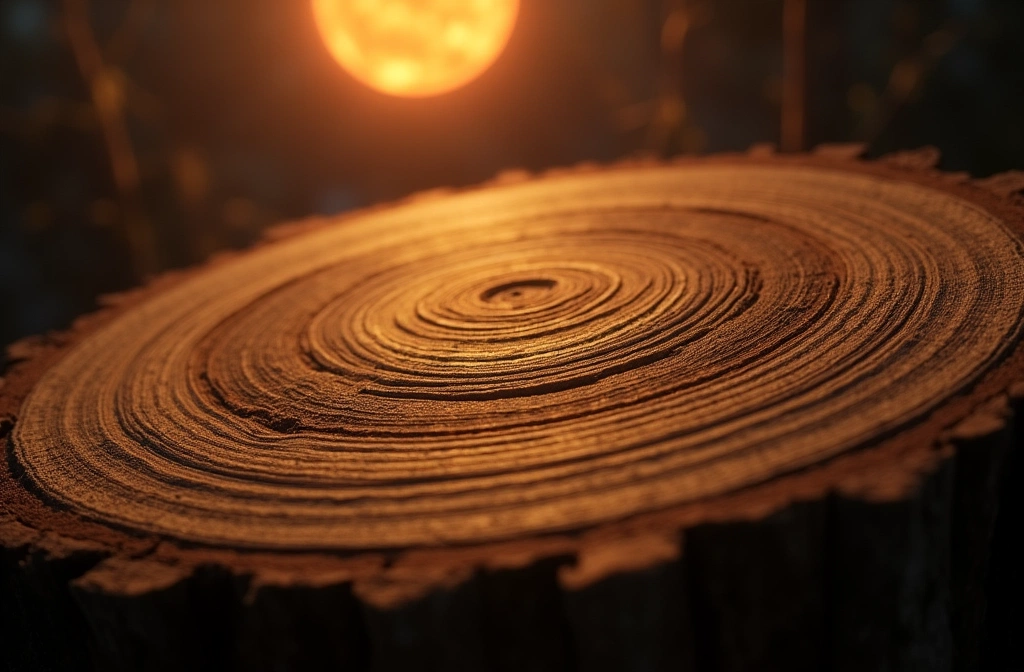
According to New Scientist, scientists are analyzing ancient tree rings to reconstruct a historical record of extreme solar storms. Tree rings contain carbon-14 and beryllium-10 isotopes that spike during periods of intense solar activity, allowing researchers to identify major solar events that occurred long before modern instrumentation existed.
This matters because solar storms pose direct risk to modern infrastructure. A severe geomagnetic storm can disrupt power grids, satellite communications, GPS systems, and electrical transformers across wide areas. The 1859 Carrington Event — a documented extreme solar storm — would cause catastrophic damage to today's interconnected power systems if it occurred now. Insurance and grid operators have long understood this vulnerability, but precise frequency data on extreme events has been limited.
By extending the observable record through tree-ring analysis, researchers can better estimate how often truly massive solar storms strike Earth. If tree-ring data reveals these events occur more frequently than previously thought, it raises the probability that infrastructure planners and utilities may be underestimating systemic risk.
The research also highlights a hard truth: detection lag. Even with modern space-based solar monitors, we have only minutes to hours of warning before a major geomagnetic storm reaches Earth. Tree rings offer no predictive power — only historical context that informs risk assessment.
For preparedness-focused readers, this underscores why diversified power backup (battery, generator, fuel storage) and hardened communications plans remain prudent regardless of storm frequency estimates. Grid resilience improvements — including transformer hardening and distributed generation — depend on accurate risk models. Better historical data improves those models, but does not eliminate the underlying threat.
