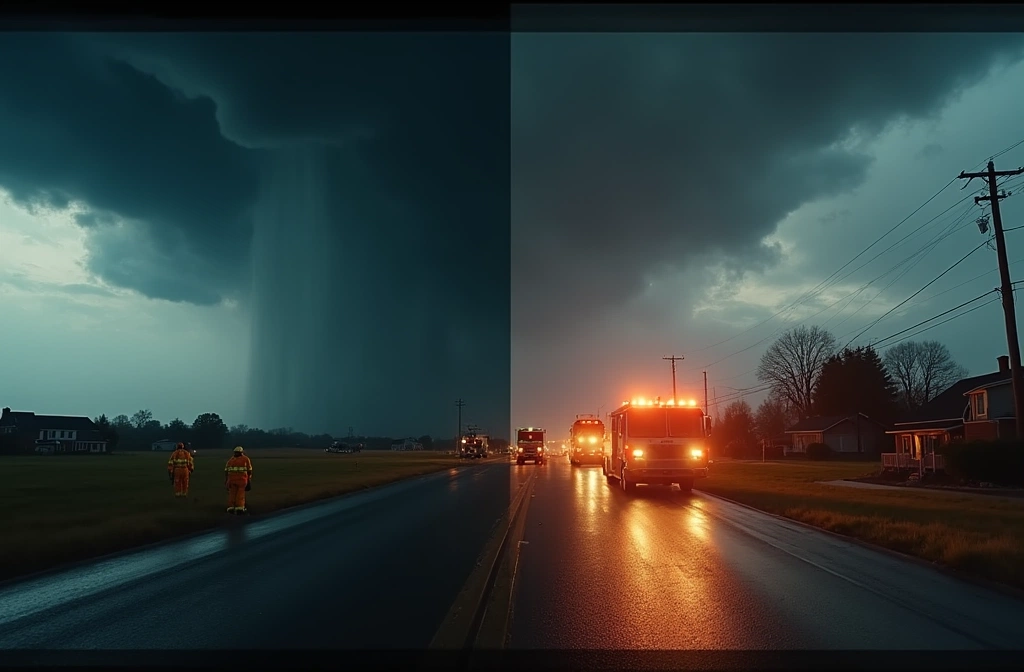
According to NewsChannel 9's 15-year retrospective, the April 27, 2011 tornado outbreak prompted at least one preparedness-minded individual to monitor weather patterns days in advance. This detail—a forecaster or analyst tracking developing conditions and communicating concerns to family—illustrates a core preparedness principle: situational awareness precedes action.
The April 2011 outbreak was one of the most significant severe weather events on record. What the source material emphasizes is that individuals who maintained heightened awareness during the pre-event window were able to position themselves and their families defensively. This suggests that access to multi-day forecast data and the discipline to act on pattern recognition—rather than waiting for official warnings—creates measurable advantage.
For infrastructure and grid operators, this historical lens matters. Severe weather remains a leading cause of localized outages and cascading failures in distribution networks. The 2011 outbreak occurred in an era with less real-time sensor data and slower communication than exists today—yet preparedness-aware households and emergency responders still managed contingency execution.
What's notably absent from available details is systematic data on how warning lead time correlated with protective action adoption that night. This gap itself is instructive: even 15 years later, we lack granular documentation of what messaging, timing, and trust factors move families from awareness to action.
For readers: the 2011 case study reinforces that severe weather preparedness isn't reactive. It demands pattern monitoring at 3-5 day horizons, family communication protocols established before conditions develop, and shelter-in-place readiness. The individuals who moved decisively on April 26-27, 2011 were those who had already accepted threat possibility and pre-positioned response capability.
