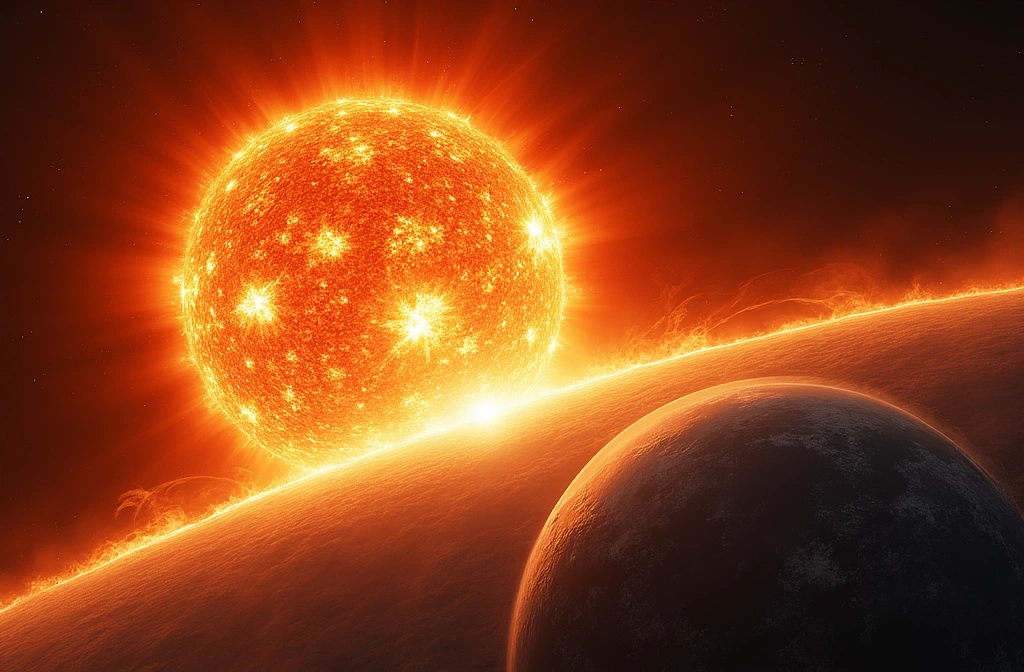
AR4478, described as a monster sunspot region, is the focus of current solar activity monitoring. According to the June 26 Sun news update, a coronal mass ejection (CME) that departed the sun on June 22 is expected to arrive late on June 28, 2026.
NOAA's forecast calls for unsettled-to-active geomagnetic conditions on June 28, with Kp index levels ranging from 3–4. More significantly, there is a chance of isolated G1 (minor) geomagnetic storm intervals, indicated by Kp 5 readings, late on June 28 during the potential CME arrival window.
Why this matters: G1-level geomagnetic storms are classified as minor but can produce measurable effects on sensitive infrastructure. While not severe enough to trigger widespread grid failures or communications blackouts, minor storms can cause fluctuations in power systems, affect satellite operations, and trigger aurora displays at higher latitudes. For preparedness-minded infrastructure operators and grid managers, even minor storm events provide real-world stress tests on system resilience.
The six-day lead time from CME departure (June 22) to expected arrival (late June 28) is consistent with typical solar wind transit speeds and allows for monitoring and preparation by utility operators and space weather-dependent industries.
What to watch next: The critical window is late June 28. Monitor NOAA's Space Weather Prediction Center updates for actual Kp index readings and any upward revision of storm severity. If the CME arrival timing slips or if additional ejecta from AR4478 activity follows, the forecast window could extend into June 29. Secondary waves from the same active region are possible but not yet indicated in current guidance. Real-time solar imagery from NOAA's GOES-19 SUVI instrument will provide the most current detection of any new eruptions.
