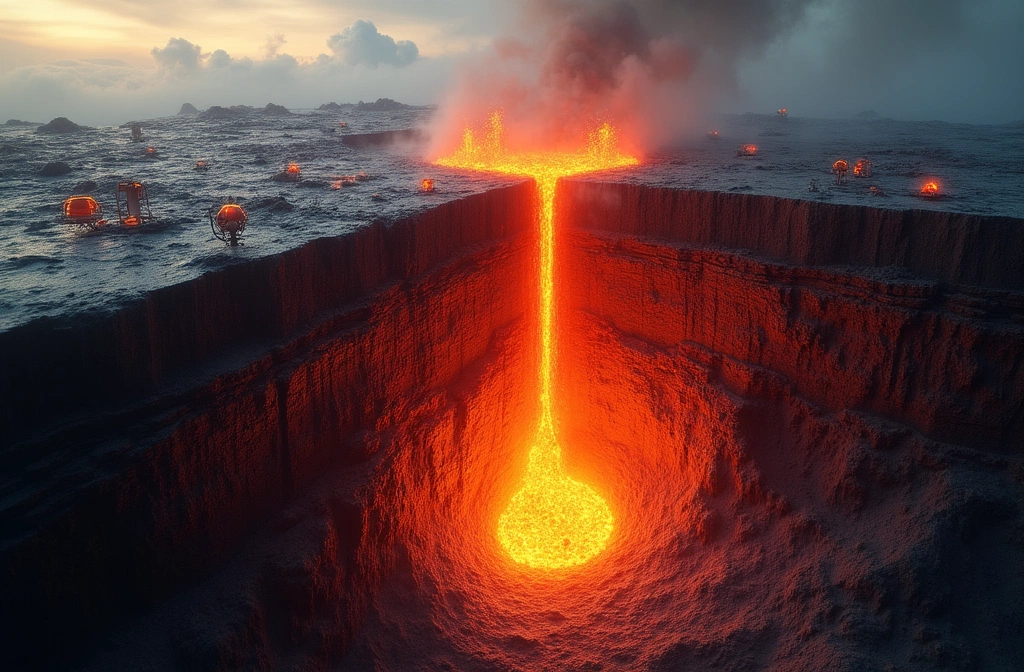
According to Scientific American, a volcanic mystery from 2022 has been resolved in a way that challenges preparedness assumptions: magma can ascend through rock with significantly less seismic signature than previously understood. When earthquake swarms struck the Azores in 2022, scientists interpreted the signals as precursors to eruption. No eruption followed—which forced a reckoning.
The explanation matters. Magma appears capable of moving through certain geological conditions without generating the detectable tremors that form the backbone of modern volcanic early-warning systems. This is not a failure of monitoring—it's a discovery that our primary detection method has a blind spot.
For infrastructure planners and communities in volcanic zones, this signals a systemic vulnerability. Early-warning systems in places like Hawaii, the Pacific Ring of Fire, and Mediterranean volcanic regions depend heavily on seismic networks. If magma can rise silently under specific conditions, the window between detection and eruption could compress unexpectedly, or detection could fail entirely in certain scenarios.
The practical implication cuts both ways. Fewer false alarms (like the 2022 Azores case) reduce evacuation fatigue and economic disruption from unnecessary alerts. But silent magma ascent means we cannot assume seismic quiet equals volcanic stability. Communities cannot afford to lower vigilance during periods of apparent calm.
This research underscores a broader principle in preparedness: detection systems have limits, and those limits must be understood, not assumed away. The Azores case shows that nature finds pathways our instruments don't capture. The next step is mapping which geological and magmatic conditions enable silent ascent, and whether early-warning protocols should incorporate additional sensors—thermal, gas-emission, or deformation monitoring—as redundancy.
For now, the takeaway is clear: volcanic risk assessment in known active zones cannot rely exclusively on seismic networks. Diversified monitoring and realistic assumptions about detection gaps are no longer optional.
