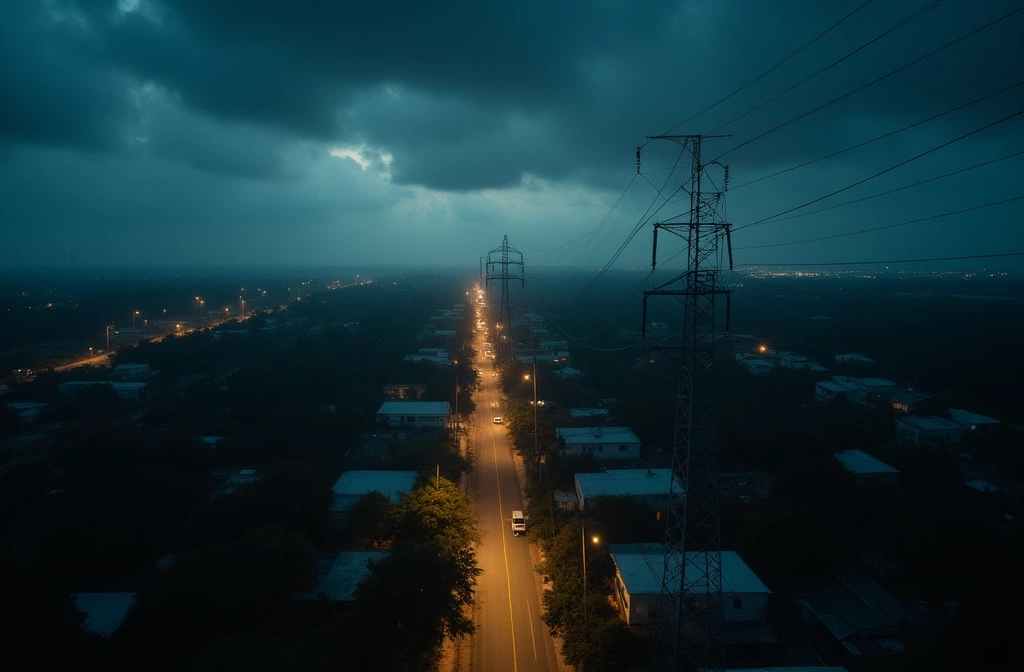
According to The Nassau Guardian, Bahamas Power and Light has experienced severe grid instability with repeated widespread power outages across The Bahamas. On July 30, an underground cable fault triggered a transformer explosion at the Blue Hills Power Station, causing an island-wide blackout. As of August 6, outages continue—Super Value's Cable Beach store was forced to close on Sunday due to power loss.
This pattern matters because it reveals two critical vulnerabilities: first, dependency on centralized generation infrastructure (Blue Hills station) with apparent inadequate redundancy; second, cascading failure potential when primary transmission systems fail.
Retail and commercial disruption is the visible symptom, but the real concern is what it indicates about grid architecture. An underground cable fault that propagates to catastrophic transformer failure suggests aging infrastructure, limited fault isolation, or both. Single-point-of-failure vulnerabilities in island grids are acute—geographic isolation means no rapid power imports from neighboring systems.
The timing also matters. Multiple outages within a week (July 30 through early August) is not random weather or routine maintenance. It suggests either: (a) the July 30 failure exposed secondary vulnerabilities now being triggered, or (b) the root cause remains unresolved and is recurring.
For preparedness context: island economies are acutely vulnerable to grid collapse. Desalination, fuel distribution, medical facilities, communications infrastructure, and food cold-chain all depend on continuous power. A sustained multi-day outage across The Bahamas would create humanitarian pressure rapidly.
WATCH THIS: Monitor whether BPL issues public statements about root cause, repair timeline, or infrastructure upgrades. Silence or vague statements suggest deeper problems. Also track whether outages expand beyond Cable Beach to other critical nodes. If the Blue Hills Station remains unstable, expect continued cascading failures.
