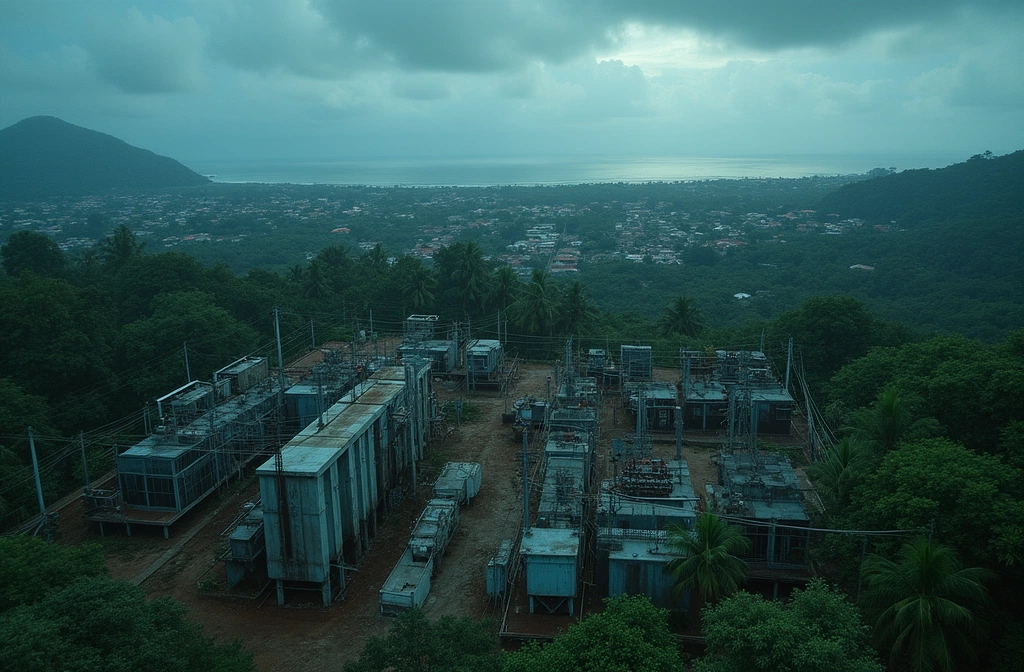
According to The Tribune, Energy, Utilities and Aviation Minister JoBeth Coleby-Davis stated that New Providence's aging electricity infrastructure does not excuse the hardship caused by Sunday's widespread power outages. The outages affected residents, businesses, and medical facilities across the territory.
Coleby-Davis's statement appears to signal that Bahamas Power and Light (BPL) and grid operators will face scrutiny beyond simple infrastructure decay. The minister's framing suggests official expectation of operational or management accountability—a shift in how the incident will be publicly treated.
Why this matters: Grid failures in island territories with limited redundancy create cascading vulnerability. Medical facilities operating on backup power, cooling systems dependent on AC supply, and water distribution dependent on pumped pressure all degrade rapidly during extended outages. A single-source failure in New Providence's grid architecture means no geographic load-shedding option exists; the entire territory goes dark together.
BPL's board has ordered a "sweeping" response, per The Tribune—the full scope remains unclear from available reporting. This could indicate system-wide review, operational changes, infrastructure prioritization, or both.
What to watch: Monitor whether BPL releases specific root-cause analysis (equipment failure, operational error, design flaw, cyber factor ruled in/out). Watch for timeline announcements on grid modernization, backup system redundancy upgrades, or rate/tariff changes tied to infrastructure investment. Also track whether medical facilities and critical infrastructure operators implement independent micro-grid or battery-storage solutions in response.
For readers in island or remote grid territories: This event underscores why critical facilities—medical, water, communications, fuel—require independent power resilience. Dependence on a single utility grid with aging infrastructure is a systemic risk that individual hardening can only partially offset.
