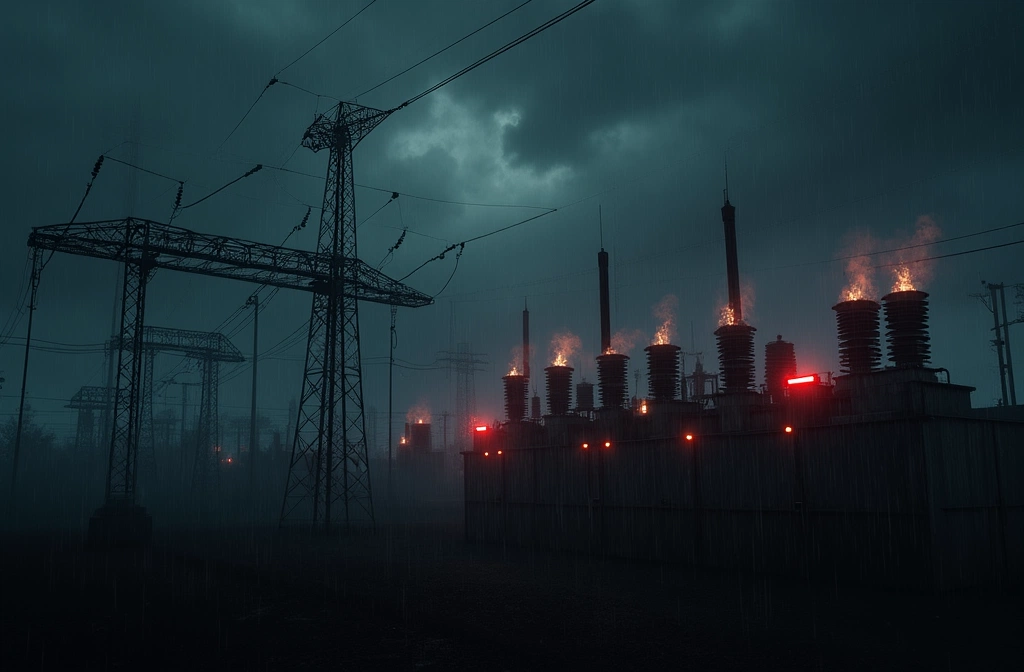
Fewer hurricanes don't guarantee safer infrastructure. According to reporting in Insurance Journal and Claims Journal, meteorologists are forecasting approximately 13 named Atlantic storms for the coming season—below the typical average. The natural assumption is that less activity translates to less risk. That logic breaks down when examining how power grids fail.
Grid vulnerability isn't determined by storm count alone. It depends on storm track, intensity, and whether those systems hit critical infrastructure nodes. A single Category 4 hurricane striking the right (or wrong) location—a major transmission hub, a transformer yard, a substation cluster—can cascade outward across regional grids far faster than the storm itself travels.
Why this matters: The US power grid is already strained. Aging transmission lines, transformer lead times measured in months or years, and geographic concentration of critical infrastructure nodes mean that even a "quieter" season can deliver outsized damage if that damage lands in the wrong place.
The sources available do not provide detailed analysis of which regions face elevated risk this season or which grid assets are most vulnerable. They establish only that reduced storm frequency does not automatically reduce grid consequences.
What to monitor: Track not just named storm counts as the season unfolds, but storm tracks relative to major US transmission corridors—particularly the Southeast and Gulf Coast regions where density of critical infrastructure intersects with Atlantic hurricane paths. Real-time grid stress alerts from NERC (North American Electric Reliability Corporation) and regional transmission operators (RTOs) will signal when infrastructure is under actual strain.
This is a reminder that preparedness planning shouldn't pivot on seasonal forecasts. Build resilience assumptions around worst-case track scenarios, not average-case storm counts. Know your local grid's exposure before the season accelerates.
