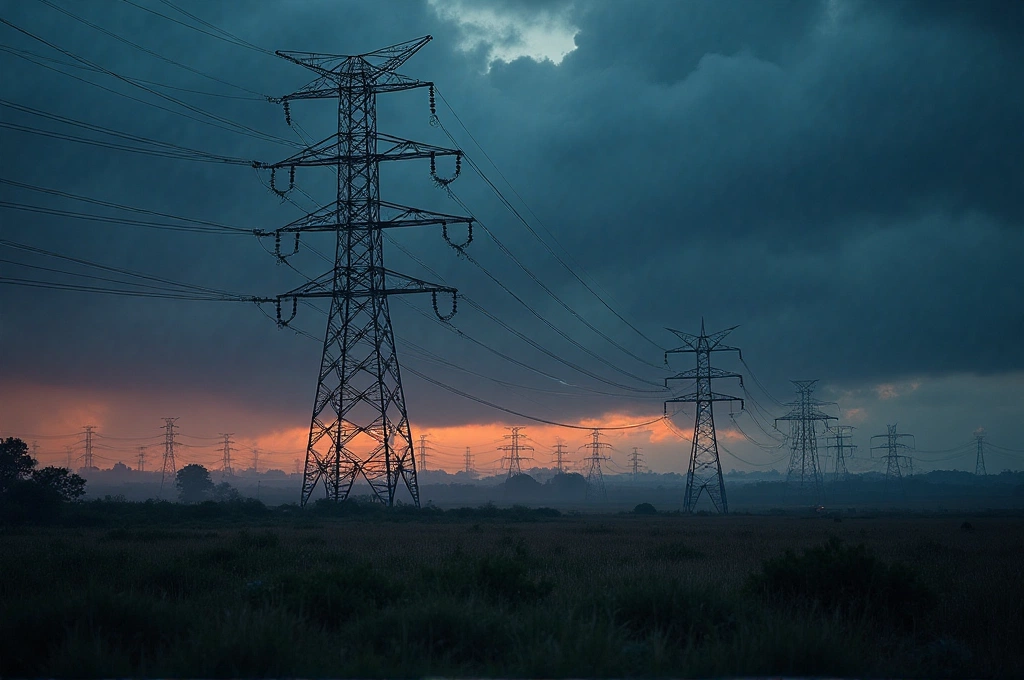
According to reporting in the Daily Mail, energy expert Kathryn Porter has raised concerns about the potential for Britain's National Grid to experience a complete collapse, resulting in nationwide blackouts. The analysis specifically references precedent: Spain and Portugal both experienced significant power outages in April of last year, with some regions losing electricity for 16 hours.
Porter's argument appears to connect energy policy choices—specifically Britain's Net Zero transition strategy—to grid vulnerability. The piece suggests that such blackouts "could become a familiar reality" rather than isolated incidents.
Why this matters: A 16-hour regional blackout in a developed European grid demonstrates that multi-hour, wide-area power loss is achievable under current infrastructure conditions. Critical systems dependent on continuous grid supply—water treatment, fuel distribution, communications networks, emergency services—face cascading failure risk in extended outages. Unlike short-duration faults (minutes to hours), a 16-hour or longer blackout creates compounding effects: fuel pumps fail, water pressure drops, backup generators exhaust supplies, and cold-chain dependent goods spoil.
The signal here is systemic: if two EU nations with substantial grid infrastructure experienced hours-long outages recently, similar vulnerabilities may exist across interconnected European grids. Britain's grid operates within European interconnection frameworks, meaning both domestic vulnerabilities and external cascade risk warrant attention.
What to monitor: Grid reliability reports from National Grid UK and Ofgem; statements from energy sector analysts on renewable integration challenges; real-time outage data from European TSOs (transmission system operators); and capacity margin forecasts for peak demand periods. Watch for technical failures during periods of high demand or renewable generation variability.
This remains an emerging signal with limited source depth—one analysis piece does not establish trend. However, the European precedent cited is concrete and recent, making this a legitimate infrastructure risk indicator worth baseline preparedness attention.
