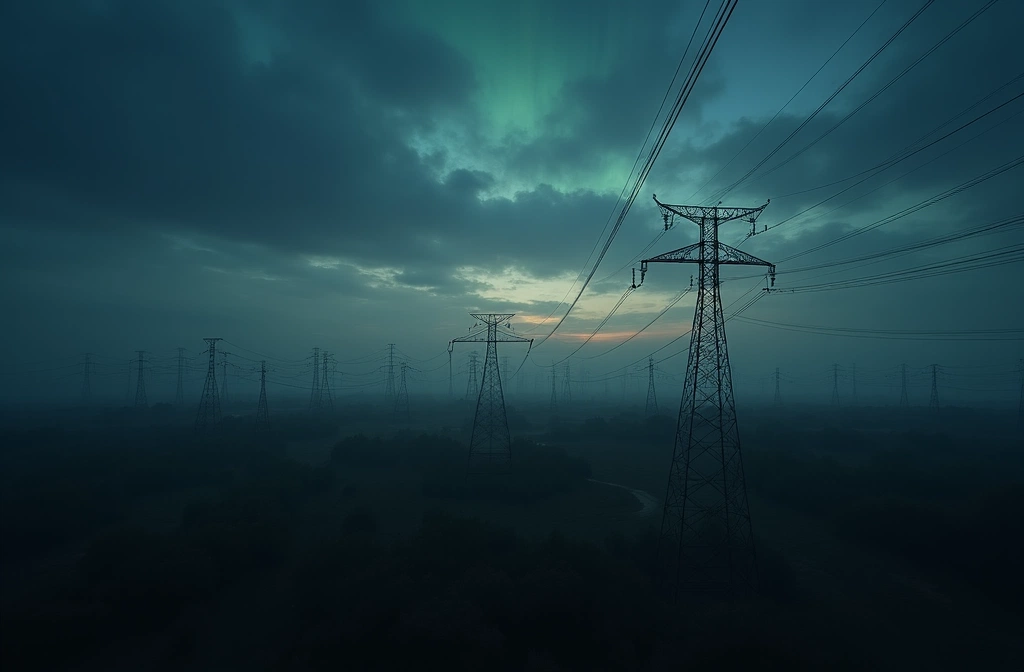
The 1859 Carrington storm disrupted telegraph systems and pushed auroras as far south as Cuba. According to ScienceBlog.com, a repeat event today would pose critical risks to modern infrastructure: power grids vulnerable to ground currents in long transmission lines, satellites exposed to charged particles and surface charging, and navigation and radio systems potentially degraded. However, the same source clarifies a persistent misconception—such a storm would not simply switch off every electronic device.
The mechanism matters. Spacecraft face different threats than ground infrastructure: charged particles, radiation effects, and upper atmosphere expansion rather than the ground-induced currents that threaten terrestrial power lines. NOAA has documented that extreme geomagnetic storms can cause satellite orientation problems and tracking issues, but this is distinct from a civilization-wide electronics failure.
This distinction is critical for preparedness planning. A Carrington-class event poses genuine systemic risk to power distribution, communications infrastructure, and GPS-dependent systems. Hospitals relying on electronic records, traffic management systems, financial networks, and emergency services would face degradation or temporary outage. Water treatment, fuel distribution, and supply chains tied to digital logistics could experience cascading delays.
But the narrative of "everything stops" obscures the actual threat and leads to misdirected preparation. A widespread blackout lasting weeks is credible; a permanent destruction of all solid-state electronics is not supported by the physics or historical evidence.
The risk here is not hyperbole—it is the infrastructure interdependencies that make grid failure dangerous. Power restoration after a major geomagnetic event would be measured in days to months depending on damage to large transformers, not permanently. Preparation should focus on grid vulnerability, not on abandoning electronic planning altogether.
The scientific evidence from ScienceBlog.com and NOAA frameworks suggests this is an infrastructure resilience problem first, not an electronics extinction event. That reframing changes what action actually matters.
