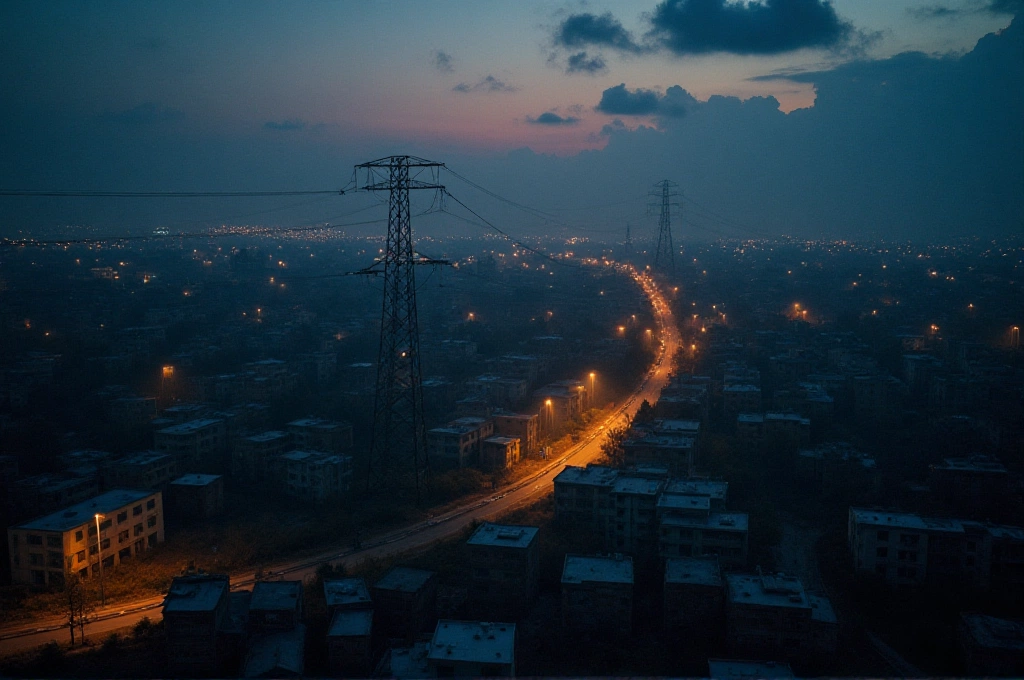
On August 14, a significant blackout affected Kazakhstan and Kyrgyzstan, disrupting power across the regional grid. According to The Times Of Central Asia, officials in both nations remain at odds over the root cause of the failure, with investigations ongoing into what went wrong across the interconnected system.
The disagreement between the two countries is notable because it reflects a common pattern in cascading grid failures: when multiple nations share power infrastructure, determining where a failure originated—and who bears responsibility—becomes a point of friction that can delay necessary fixes.
What matters here isn't just the blackout itself, but what it reveals about regional grid resilience. Central Asia's power systems are tightly interwoven; failures can propagate quickly across borders. When neighboring countries dispute causation rather than coordinate on remediation, response times slow and systemic vulnerabilities remain unpatched.
This is particularly relevant for infrastructure-dependent operations and communities near the affected region. Shared-grid architecture creates dependencies that aren't always visible until something breaks. Without clarity on root cause, regulators can't confidently implement corrective measures—and the same failure mode may recur.
For preparedness purposes, this underscores a broader principle: interconnected infrastructure is efficient until it fails. Regional blackouts often pivot on a single point of failure that cascades outward. The fact that two neighboring nations with mutual stakes in grid stability are still disputing what happened suggests either: (a) the cause is genuinely complex and difficult to isolate, or (b) political or technical barriers are slowing diagnosis.
Monitor reporting from official energy authorities in Kazakhstan and Kyrgyzstan for root-cause findings. When those reports emerge, they'll tell you whether this was equipment failure, operational error, environmental stress, or something else—and whether the grid operators have confidence in their own diagnostic capabilities. That clarity matters far more than the blackout itself.
