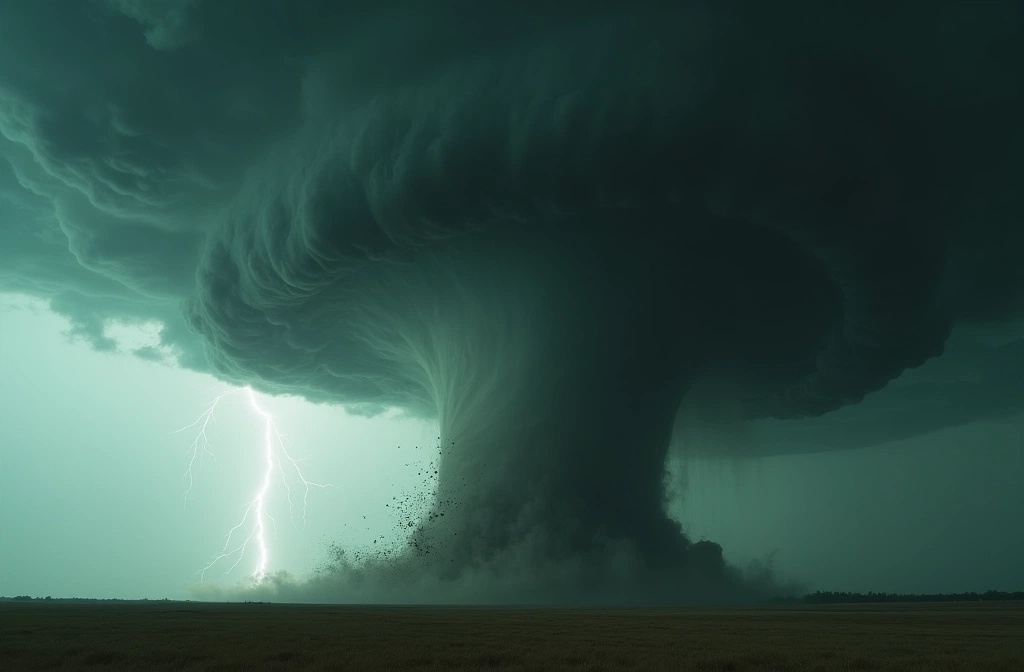
According to CNN meteorologists Dakota Smith, Briana Waxman, and Kate S. Petersen, multiple destructive twisters impacted the central United States on Friday. The outbreak is part of what the sources characterize as a relentless severe weather pattern that includes tornadoes, hail, and flooding across the region.
While the single available signal lacks specific casualty counts, damage assessments, or affected counties, the terminology "destructive twisters" and the reference to a multi-hazard outbreak (tornadoes, hail, flooding) suggests significant impact potential across infrastructure and populated areas.
For preparedness purposes, tornado outbreaks of this scale typically create secondary effects: road closures disrupting supply chains, power line failures in affected zones, emergency services stretched thin across multiple impact areas, and temporary communications disruptions in the immediate damage path. These cascading effects can stress regional logistics for 24-72 hours post-event.
The mention of a "relentless week" suggests the meteorological pattern may persist, meaning additional severe weather windows are possible. This is worth monitoring—back-to-back weather events in a single region can prevent recovery operations and deplete emergency response resources.
What to watch next: Track National Weather Service Storm Prediction Center outlooks for the next 3-7 day period. Successive rounds of severe weather in the same region compound damage and stretch mutual aid. Monitor local emergency management agency updates for specific counties affected, as this will clarify which infrastructure corridors (highways, rail, power distribution) faced direct impact. Secondary indicator: fuel and supply availability at regional distribution centers—repeated weather events can create localized shortages even if national supply chains remain intact.
