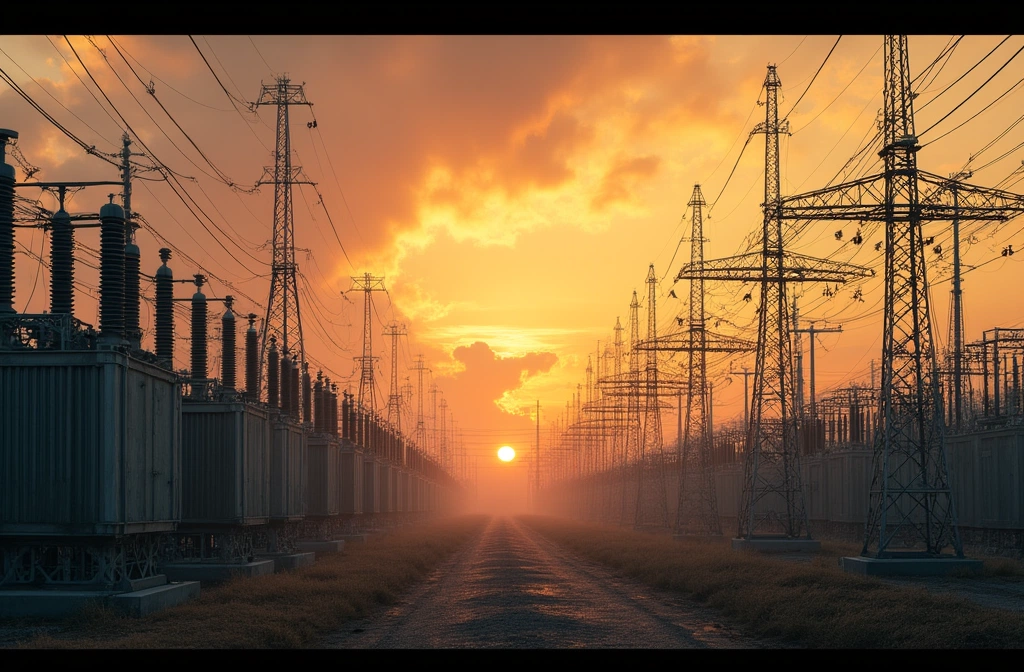
According to the Tahlequah Daily Press, Cherokee County's power grid has not yet been affected by the current heat wave, though the editorial notes that scenario remains possible. The piece frames this as a near-miss rather than a solved problem, suggesting that local infrastructure may be operating at or near capacity margins during peak demand periods.
This matters because heat waves create dual stress on electrical systems: higher ambient temperatures reduce transformer and transmission line efficiency, while simultaneously driving maximum demand for air conditioning and cooling loads. When both pressures peak simultaneously, grid operators face constrained options—load shedding, rolling blackouts, or equipment damage become realistic outcomes.
The editorial's framing—"not yet, anyway"—signals awareness that current conditions represent a vulnerability window, not a permanent reprieve. This suggests local grid operators or planners may have identified capacity or resilience gaps that could manifest under sustained or intensified heat stress.
For preparedness context: heat-driven grid stress is now a recurring seasonal pattern across much of the continental U.S., particularly in regions where demand growth has outpaced transmission upgrades. Cherokee County's experience is a data point in a larger pattern of infrastructure strain during extreme weather.
The editorial call for grid protection measures—specifics not detailed in the available source—indicates local stakeholders recognize that reactive response during an active outage is inferior to proactive hardening. This is sound engineering logic, though implementation timelines and funding mechanisms remain unclear from the source material.
What to watch: Regional grid stress events during the 2026 heat season. If Cherokee County or neighboring utilities experience load-shedding events, rolling blackouts, or equipment failures during peak demand periods, that would indicate the vulnerability flagged in this editorial has materialized into operational impact. Monitor local utility communications and NERC alerts for evidence of transmission constraints or reserve margin pressure in the region.
