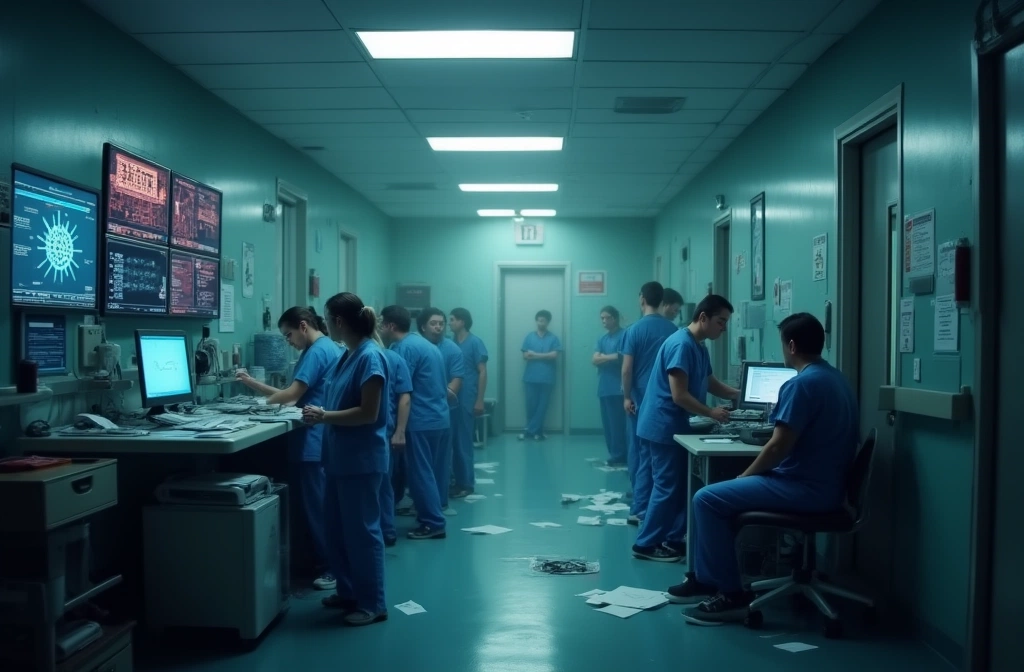
On April 11, 2026, ransomware targeting ChipSoft—a major electronic health record (EHR) provider—took hospital systems offline across the Netherlands and Belgium, according to reports covered by Security Affairs. The attack remained active through at least April 12, affecting patient care operations across multiple facilities in both countries.
This incident exposes a structural fragility in modern healthcare: the concentration of mission-critical systems in single-vendor platforms. When a centralized EHR provider is compromised, the blast radius spans entire hospital networks simultaneously. Staff revert to manual record-keeping, diagnostic delays compound, and coordination between facilities breaks down.
For preparedness-minded individuals, the lesson is stark: healthcare system resilience is not guaranteed. Hospitals in advanced economies with robust cybersecurity still fell victim. This suggests that even well-resourced institutions face attack surface exposure through supply chain dependencies.
The incident also demonstrates why personal health records matter. If you rely on a single hospital system for continuity of care—especially for chronic conditions requiring medication management or specialist coordination—a multi-day outage creates real medical risk. Paper copies of recent lab results, medication lists, and imaging reports kept at home are not paranoid; they're practical redundancy.
Watch for: (1) how long recovery takes and whether ransom was paid; (2) whether the attack spreads to other healthcare sectors or countries; (3) official post-incident reports detailing how the attacker gained access. The attack vector—supply chain, credential compromise, or zero-day—will determine whether other EHR vendors face similar exposure.
Immediate step: If you or family depend on regular medical care, request and store digital copies of recent records and medication lists. Don't wait for a crisis to ask.
