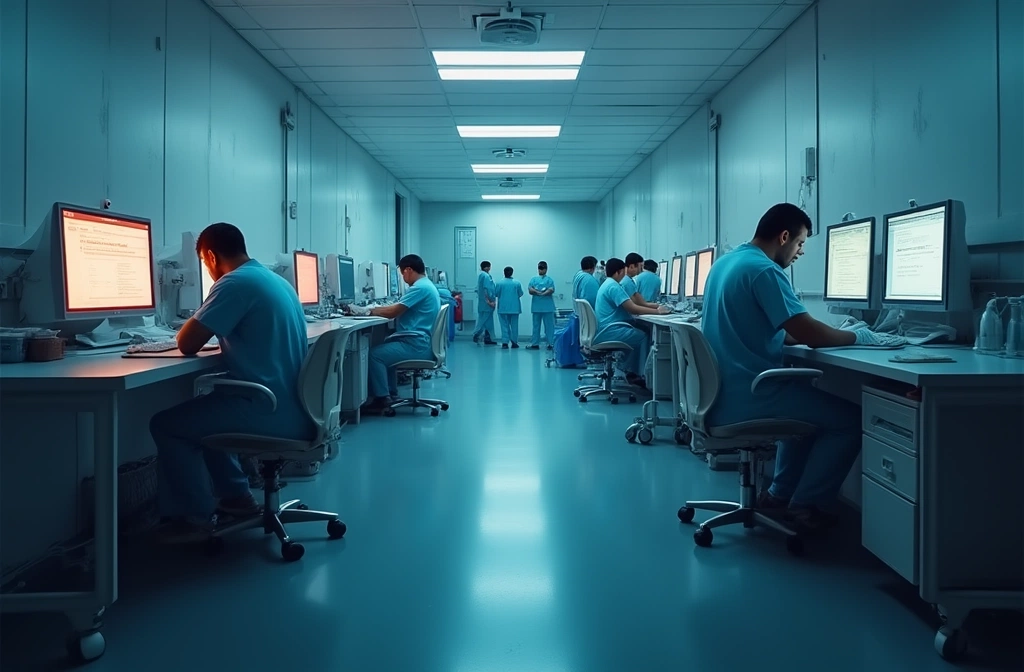
According to Recorded Future News, Dutch hospitals faced disruptions following a ransomware attack targeting ChipSoft, a critical software provider in the healthcare sector. The attack, first detected on April 11, 2026, demonstrates a persistent vulnerability in healthcare infrastructure: dependence on centralized software vendors without redundant or air-gapped systems.
This is not a theoretical risk. Healthcare systems rely on interconnected administrative, diagnostic, and patient-management software. When a single vendor is compromised, the impact spreads horizontally across all dependent facilities—diagnostic delays, scheduling failures, record access issues, and potential medication errors.
For preparedness-minded readers, this incident validates a critical principle: infrastructure concentration creates systemic risk. Hospitals without offline backup systems, paper record protocols, or vendor-independent diagnostic capability face cascading failures during attacks like this.
Key observation: The attack's impact was significant enough to generate sustained media attention (20 signal detections over 15 hours), suggesting either widespread facility impact or prolonged recovery time, or both.
PRACTICAL STEPS:
- If you rely on a healthcare facility, verify they maintain offline medical record access and manual workflows. Ask directly: "What happens to my care if your IT systems go down?" A competent answer involves paper processes, not "we have backups."
- Maintain personal copies of recent medical records, test results, and medication lists at home. During a regional healthcare disruption, your own documentation may be the only accessible copy.
- Monitor your local healthcare provider's incident response status through official channels (hospital websites, local health authority statements)—not just news outlets.
Status: Active. Watch for vendor patch timelines and confirmation that compromised systems are fully remediated before resuming critical functions. Healthcare facilities should maintain heightened network monitoring post-recovery.
