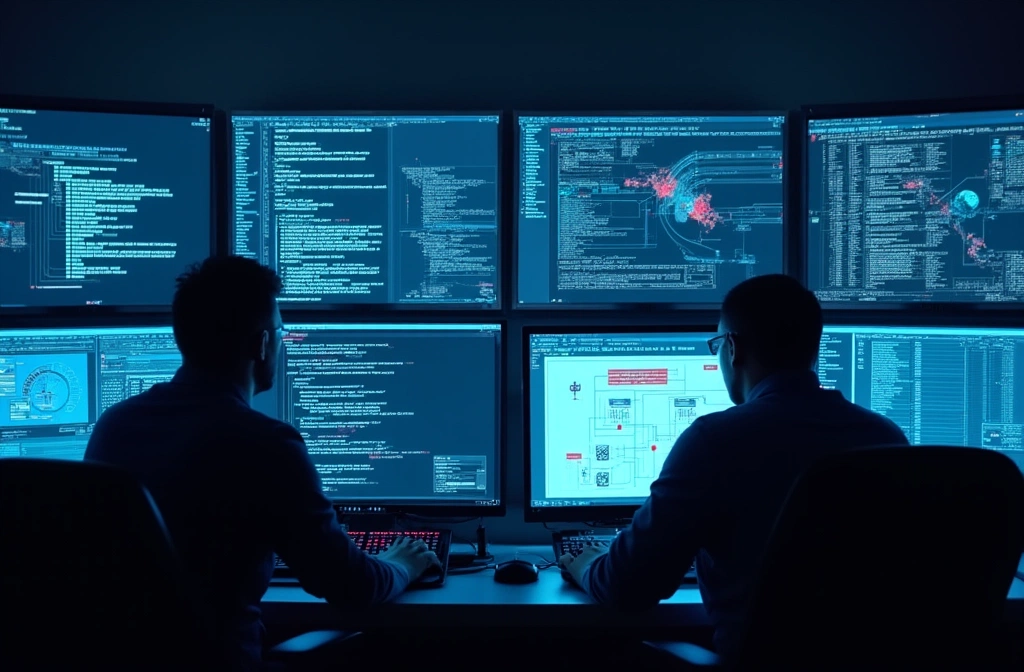
According to Tom's Hardware reporting on official CISA guidance, Iranian hackers have conducted attacks against critical infrastructure systems. In response, CISA has issued urgent direction for organizations to immediately shield programmable logic controllers (PLCs) — the specialized computers that control physical industrial processes — by removing them from internet connectivity.
This alert reflects a documented pattern: Tom's Hardware notes that cyber attacks from state actors including Iran, Russia, and North Korea are "hardly new phenomena." The specific focus on isolating PLCs suggests attackers may be targeting the industrial control systems that manage power distribution, water treatment, manufacturing, and other essential services.
Why this matters: PLCs operate critical physical infrastructure. Unlike traditional IT systems, compromised PLCs can cause real-world operational failures — equipment damage, production halts, or service disruptions. The urgency of CISA's guidance suggests active threat activity, not theoretical risk.
For infrastructure operators and organizations managing industrial systems: CISA's core recommendation is straightforward and actionable — network segmentation. This means:
- Audit current connectivity: Identify all PLCs currently accessible via internet or unsegmented networks.
- Implement air gaps or segmentation: Remove direct internet access to PLCs; route all communication through hardened control networks with restricted access points.
- Monitor for anomalies: Watch for unauthorized access attempts to remaining network connections.
For preparedness-minded individuals: This underscores why infrastructure resilience matters. Attacks on control systems can disrupt essential services for hours or days. Maintain basic reserves (water, fuel, cash, medications) and document critical facility locations and phone numbers offline.
Watch for: Official CISA advisories with specific vulnerability details or affected systems. Tom's Hardware and official CISA channels remain the authoritative sources for incident scope and technical remediation steps.