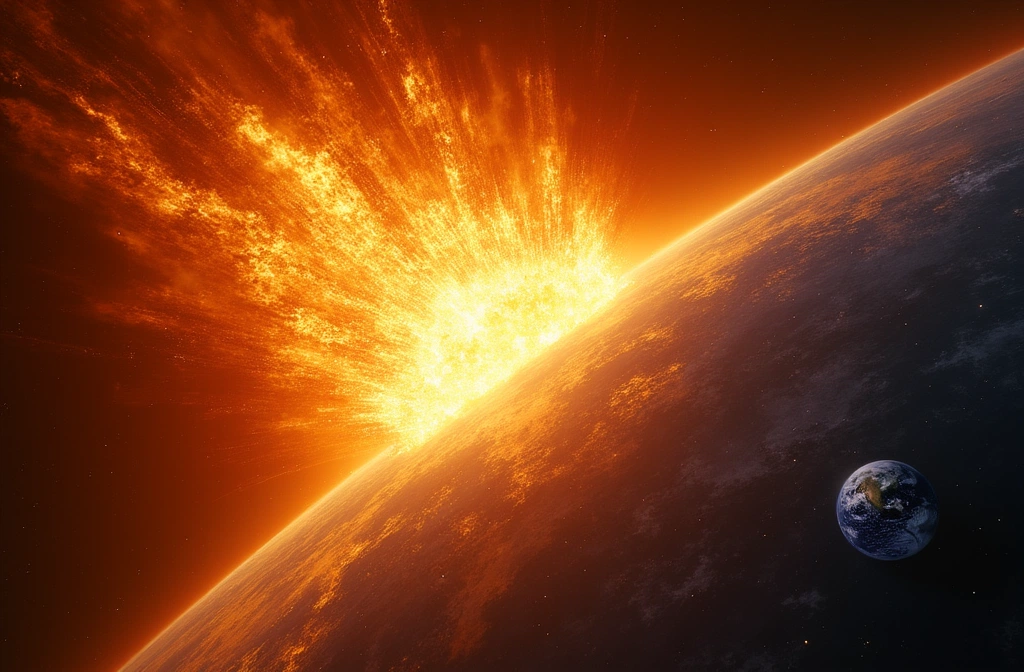
According to EarthSky, the anticipated glancing blow from a June 12 coronal mass ejection (CME) will arrive on June 16, bringing active geomagnetic conditions with Kp indices expected to reach 4. The source notes a low-probability chance of isolated G1 (minor) geomagnetic storm conditions—characterized by Kp 5—though the glancing geometry of the impact makes this scenario unlikely.
Why this matters: Geomagnetic activity at Kp 4 sits in the active range but falls well below threshold for grid-level disruption or widespread communications failures. G1 conditions, if they occur, remain classified as minor and pose minimal infrastructure risk. The key variable here is the angle of impact—a "glancing blow" means the CME's magnetic field will clip Earth's magnetosphere at an oblique angle rather than striking head-on, naturally limiting intensity.
This event underscores a critical distinction in solar monitoring: not all CMEs pose equal risk. Geometry matters. Direct hits from strong CMEs (like the Carrington Event analog or the near-miss of July 2012) warrant serious preparation. Glancing blows, even from moderate events, typically do not.
What to watch next: Monitor NOAA Space Weather Prediction Center data through June 16. Specifically track whether Kp values hold steady at 4 or spike toward 5. If real-time observations show the impact angle shifting toward a more direct strike—signaled by sudden Kp jumps—that changes the risk calculus. Also watch for any follow-on CME activity; solar active regions sometimes produce multiple ejections in sequence. A second CME arriving days later with better geometry could compound effects. For now, this is a low-severity event suitable for continued observation rather than heightened operational posture.
