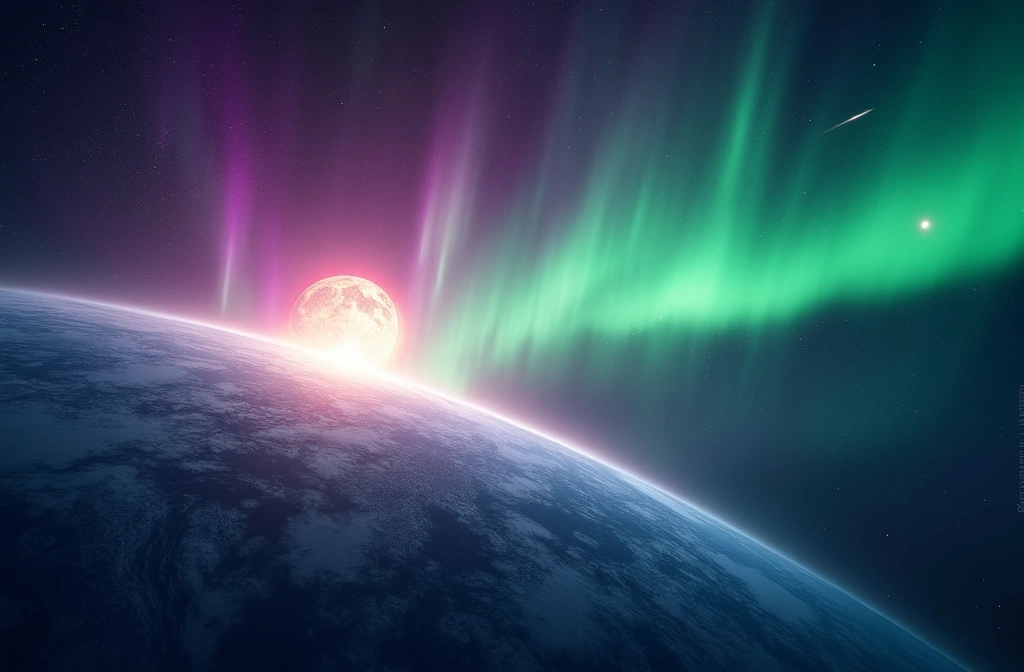
A solar coronal mass ejection (CME) detected by NOAA is now in transit to Earth, according to reporting from EarthSky. The event traces back to a solar prominence observed on August 8 that subsequently released a massive burst of solar plasma and magnetic field material into space. That ejected material is now aimed directly at Earth and is forecast to arrive tomorrow, August 12.
NOAA's forecast calls for G1 (minor) and potentially G2 (moderate) geomagnetic storming when the CME arrives. Geomagnetic storms of this scale can cause measurable disturbances in Earth's magnetosphere—the region where power grids, satellite communications, GPS systems, and HF radio rely on stable conditions.
For preparedness context: G1-level storms are generally manageable by modern grid operators who have hardening protocols in place. However, G2 storms represent an uptick in risk and can stress aging transformer infrastructure, particularly in northern latitudes where geomagnetic effects concentrate. Satellite operators typically execute protective maneuvers during G2+ events. Communications networks with ground-dependent links may experience degraded service, though backbone systems are generally resilient to moderate storm activity.
The critical variable here is arrival timing and intensity. NOAA's forecast window is tomorrow—a relatively short lead time for operators to finalize protective measures. The difference between a glancing G1 event and a solid G2 impact isn't trivial for edge infrastructure, but it's not systemic either.
This is a medium-severity signal: real, measurable, and within normal space weather variation. It's also a useful test case. Watch how grid operators and satellite coordinators respond in real time. Their situational awareness and reaction speed tell you something about preparedness readiness across critical infrastructure. If you maintain backup power or communications capability at home, this is a non-urgent but legitimate moment to verify systems are operational. For most readers, awareness and observation matter more than action right now.
