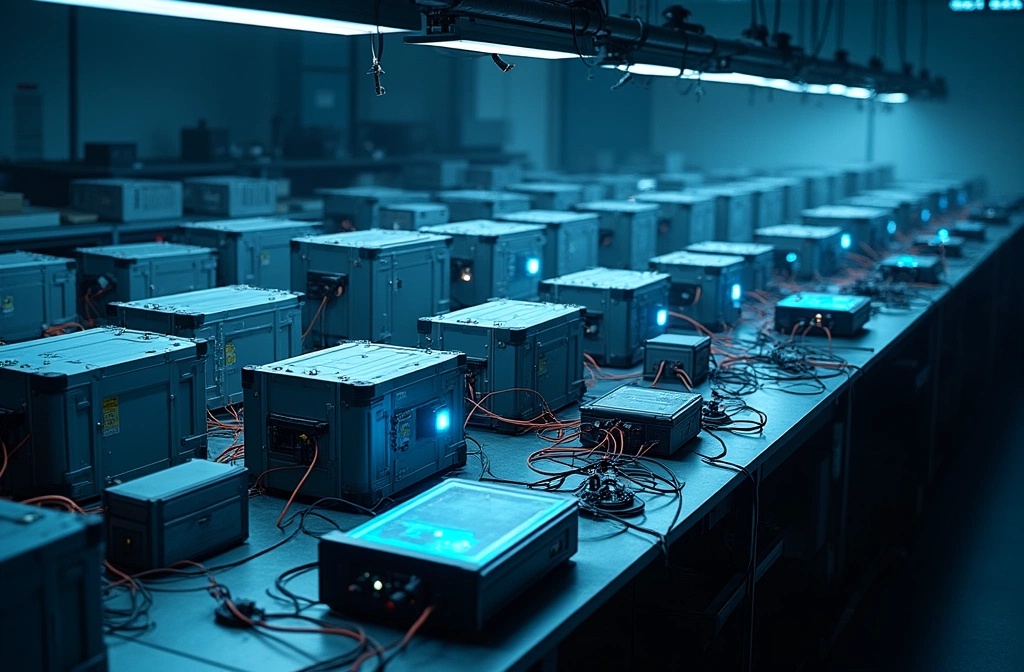
According to CNET, the organization lab-tested more than 140 electric generators and portable battery systems to identify the most efficient, fast-charging, and longest-lasting options for powering appliances and devices during blackouts. CNET's research specifically noted concurrent pressure vectors: elevated energy prices, active power outages, wildfire risk, and approaching hurricane season.
This matters because consumer-grade portable power stations represent one measurable indicator of preparedness infrastructure demand. When major consumer platforms dedicate resources to comparative testing of backup power at scale, it suggests both market responsiveness to grid concerns and recognition that outage scenarios are moving from theoretical to operational planning territory.
The CNET findings do not provide timeline predictions or severity escalation forecasts. However, the convergence CNET identified—simultaneous pressure from energy costs, weather events, and grid strain—creates a compounding demand scenario for household-level power redundancy. This is not new risk; it is accelerating visibility of existing risk.
For infrastructure analysts, the signal is straightforward: consumer awareness and purchasing behavior around portable power stations may serve as a leading indicator of grid stress perception. When major consumer outlets shift from lifestyle content to systematic evaluation of backup power systems, it reflects real operational gaps in grid reliability that households are attempting to solve independently.
What matters next is whether outage frequency or duration increases in the regions CNET's audience population centers occupy. Watch for expansion of portable power station market share, rising wait times on shipments, or price volatility—all suggest tightening supply against rising demand. Track whether utilities issue additional load-reduction alerts or capacity warnings during peak seasons. These are measurable signals of whether grid strain remains stable or enters acceleration phase.
