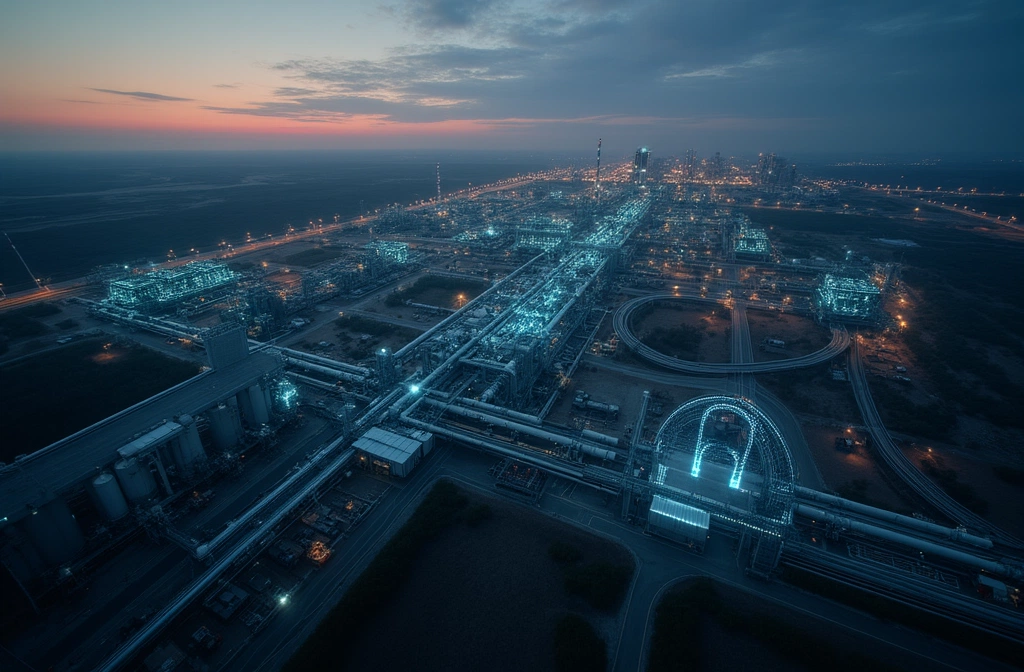
Five years after the Colonial Pipeline ransomware incident shut down fuel distribution across the Eastern U.S., Infosecurity Magazine is publishing a retrospective examining the lessons learned—and the gaps that persist. The 2021 attack remains one of the most visible demonstrations of how a single compromised operational technology network can cascade into regional supply disruptions affecting millions of consumers.
The significance of revisiting this incident now lies not in novelty, but in pattern recognition. Critical infrastructure operators—particularly those managing energy, water, and transportation systems—face recurring choices about network segmentation, backup systems, and incident response protocols. The Colonial case offered a live-fire demonstration of these failures and their consequences.
What makes this analysis material for preparedness planning is the timeline question: five years is long enough for institutional memory to fade, for budget cycles to prioritize short-term fixes over structural redesign, and for threat actors to study what worked. The energy sector remains a high-value target for financially motivated threat groups and state-adjacent actors alike.
For individual preparedness, the Colonial retrospective underscores a persistent reality—critical infrastructure disruptions can occur with minimal warning and cascade faster than official response or restoration. Fuel, water, and power systems remain interdependent; a breach in one can trigger shortages across others. The incident also demonstrated that even large, well-resourced operators may lack the redundancy or isolation to prevent operational shutdown.
Readers should monitor whether post-2021 infrastructure hardening initiatives have produced measurable changes in SCADA/ICS isolation, backup power architecture, or supply chain diversification. Absence of visible upgrades five years post-incident suggests systemic risk persists.
