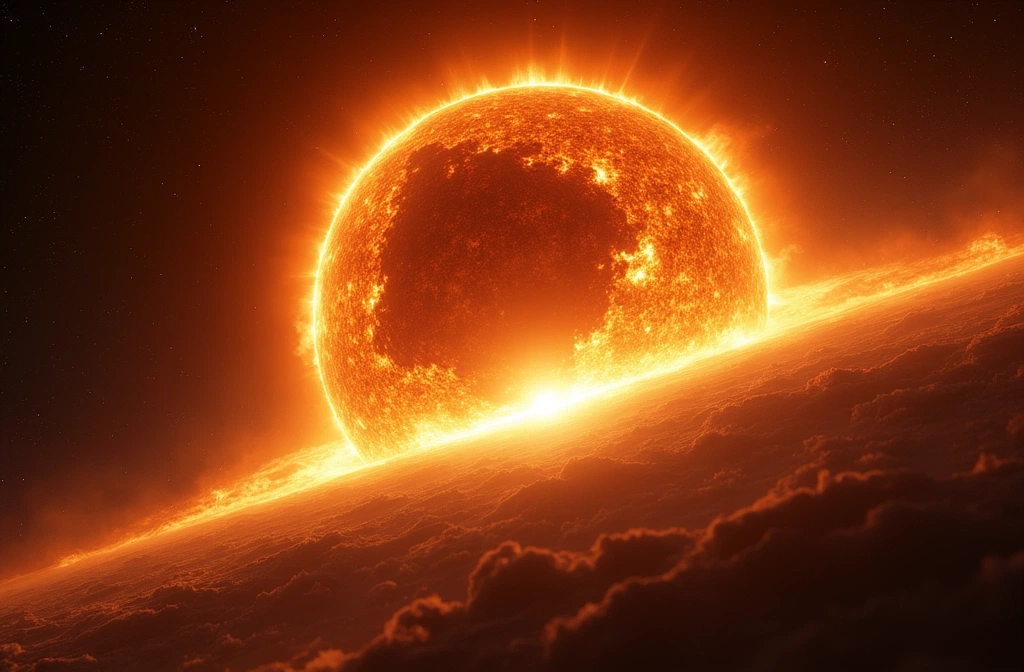
On July 21, 2026, NOAA and NASA imagery identified a large coronal hole—a region of lower density in the sun's outer atmosphere—releasing a fast solar wind stream toward Earth. According to the source material, this stream is arriving now and could spark G1 (minor) geomagnetic storms and auroras on July 22.
G1-level geomagnetic storms are the lowest category on NOAA's five-point scale. At this severity level, impacts on infrastructure are typically minimal. Minor fluctuations in power grid voltage may occur, satellite operations may experience minor degradation, and high-frequency radio propagation could be affected—but widespread disruption is not expected.
What makes this event relevant for preparedness tracking: coronal holes are recurring solar features, and their fast solar wind streams are predictable once detected. This demonstrates the monitoring capability that NOAA and NASA maintain for space weather events. The fact that flaring activity has dropped (per the headline) while coronal hole activity persists suggests we're in a quieter phase of the solar cycle—but it also confirms that geomagnetic activity doesn't require major flares to occur.
For grid operators and critical infrastructure managers, G1 events serve as calibration events: they're the baseline for testing monitoring systems, alert protocols, and response readiness. For individuals in high-latitude regions, auroras may be visible, which is a natural phenomenon tied to this geomagnetic activity.
The key metric to track: escalation beyond G1 would require either stronger coronal hole streams or actual coronal mass ejections (CMEs). Current conditions do not suggest that trajectory, but NOAA's space weather prediction center continues real-time monitoring. Readers should establish a bookmark to NOAA's space weather alerts page as a routine check, particularly if solar activity increases.
