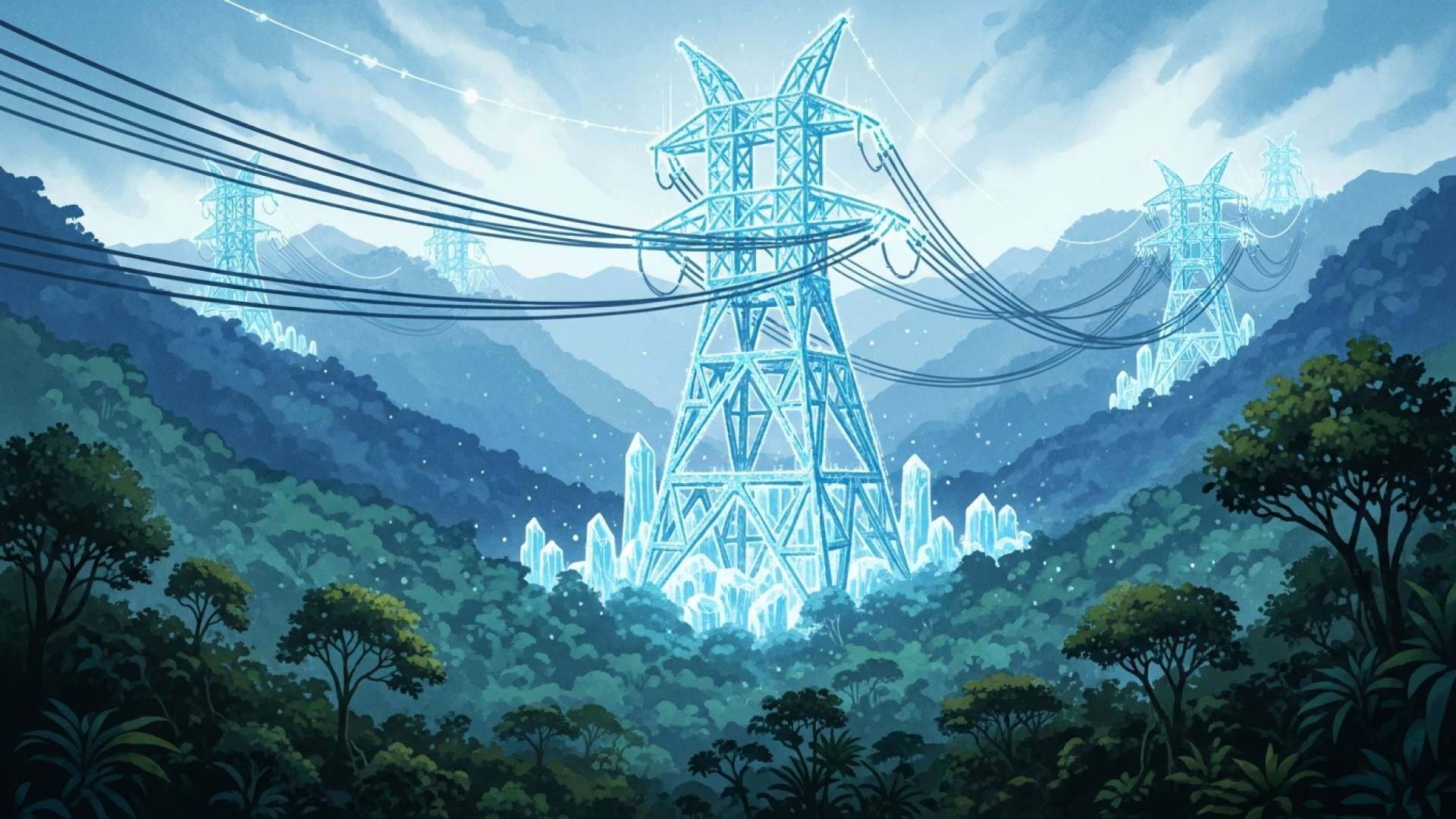
According to reporting on Costa Rica's energy security, ICE (Instituto Costarricense de Electricidad) has dismissed immediate blackout fears while unveiling a strategic plan to strengthen grid resilience. The approach combines new solar and wind generation capacity with targeted maintenance operations—a dual-track response suggesting officials recognize both capacity and infrastructure age as risk factors.
Why this matters: Costa Rica's grid depends heavily on hydroelectric generation, making it vulnerable to drought cycles and seasonal water availability swings. Adding solar and wind diversifies that dependency. The emphasis on "strategic maintenance" signals acknowledgment that aging infrastructure—transformers, transmission lines, substations—poses hidden failure risk that new generation alone cannot solve.
This is not a response to an imminent crisis. Rather, it reflects a shift in how Central American utilities are approaching grid planning: moving from reactive maintenance to proactive resilience investment. That's prudent infrastructure thinking, but it also suggests utilities are tracking vulnerability signals their public statements downplay.
For preparedness readers, the broader lesson is clear: when utilities announce multi-year hardening plans, they've identified specific failure modes. ICE's combination of generation and maintenance focus suggests concern about both supply adequacy and physical infrastructure degradation—the two vectors most likely to trigger sustained outages.
The plan's scope and timeline remain unclear from available reporting, but the announcement itself indicates Costa Rica's energy leadership sees the current grid posture as insufficient for medium-term reliability. That warrants attention from anyone monitoring Central American infrastructure stability or solar-cycle impacts on tropical power systems.
