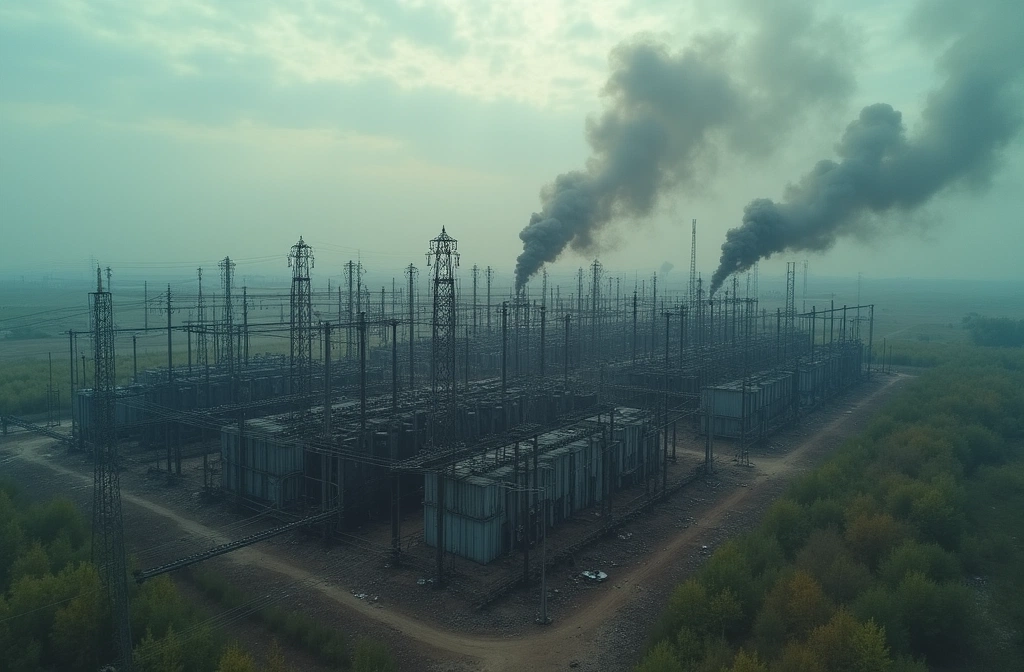
Two power substations in Crimea experienced fires after a reported drone attack, according to Ukrainian military sources cited in available reporting. The incident occurred on July 6, 2026, and represents a direct strike on energy distribution infrastructure in an active conflict zone.
Why this matters: Power substations are critical nodes in any electrical grid. Fires at substations can cause cascading outages, disrupt service to civilian populations, damage transformers that take months to replace, and create secondary risks (cooling system failures, equipment damage). In Crimea specifically, the region's grid was already stressed before this event; substation damage compounds those pressures.
This is not an isolated pattern. Drone and missile strikes on electrical infrastructure have become a deliberate targeting strategy in the Russia-Ukraine conflict. Substations — being both strategically important and relatively exposed — present attractive targets for unmanned systems.
Key observation: The fires themselves are significant. A substation fire indicates either direct structural damage, electrical cascade failure, or damage to oil-cooled transformers (which burn at high temperature). Recovery timelines depend on damage severity — minor: days to weeks; major transformer damage: months.
What to watch: Monitor whether this represents an escalation in targeting frequency, whether repair timelines are announced, and whether similar strikes follow in neighboring regions. Pattern changes (tempo, accuracy, coordination) signal shifts in operational intent. Also track whether civilian power delivery is materially affected — that indicator tells you whether this was tactical or strategic impact.
For preparedness readers in regions with aging infrastructure or political tensions: This is a live case study in grid fragility under sustained pressure. Substation fires happen in peace; they're catastrophic in conflict. If your area has known critical infrastructure nearby, review your off-grid power needs, water storage, and communication redundancy now — not when grid instability is headline news.
