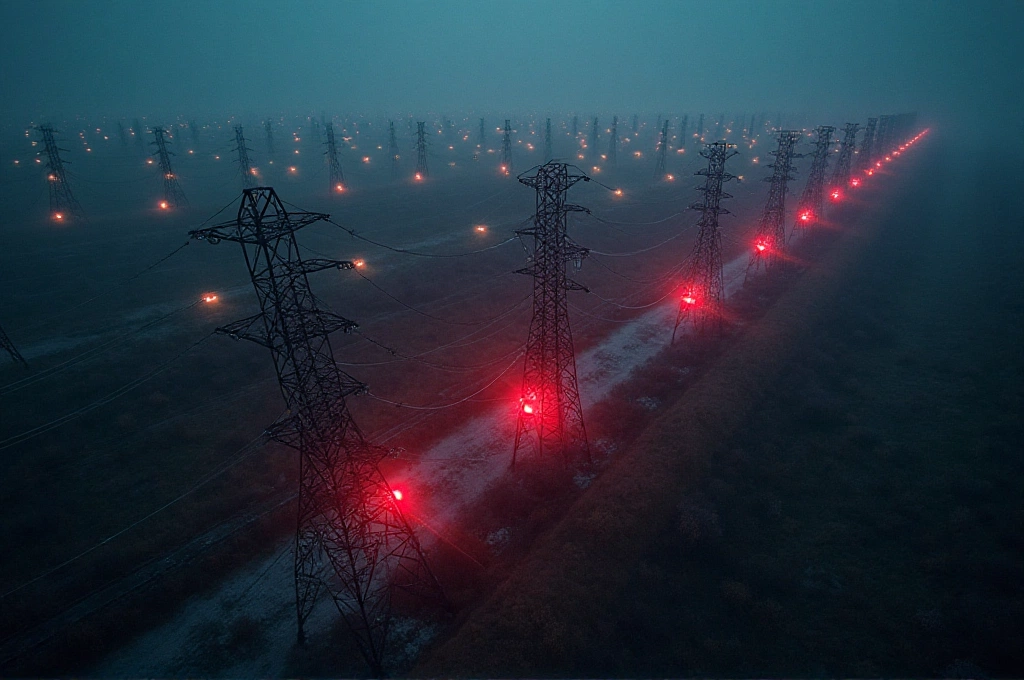
According to content published on Security Scientist, a breakdown of infrastructure manipulation tactics has surfaced covering twelve critical questions and answers about how hackers target power, water, and transit systems.
This matters because critical infrastructure—electrical grids, water treatment facilities, and transportation networks—represents the backbone of modern logistics, communications, and emergency response. If these systems fail, cascading effects ripple across supply chains, medical services, and fuel distribution within hours.
The resource appears designed to consolidate attack methodology in a Q&A format. While the specific content of those twelve questions isn't detailed in available signals, the framing suggests coverage of reconnaissance, exploitation pathways, and system vulnerabilities across multiple infrastructure categories.
What makes this significant: infrastructure manipulation isn't theoretical. Operators—whether state-sponsored, criminal, or hacktivist groups—have demonstrated capability against SCADA systems, industrial control networks, and networked grid components. The aggregation and distribution of this knowledge lowers the barrier to entry for threat actors with intermediate technical skill.
The timing and format suggest this is educational material rather than an active campaign indicator. However, the existence and indexing of such resources serves as a persistent vulnerability amplifier—knowledge that remains accessible and searchable indefinitely.
For preparedness-minded readers, this signals what threat actors already understand: infrastructure attack surface is broad, documented, and increasingly accessible. The real question isn't whether manipulation is possible—it's whether your local utilities, water authority, and transit operators have implemented detection and isolation protocols that assume compromise is inevitable.
