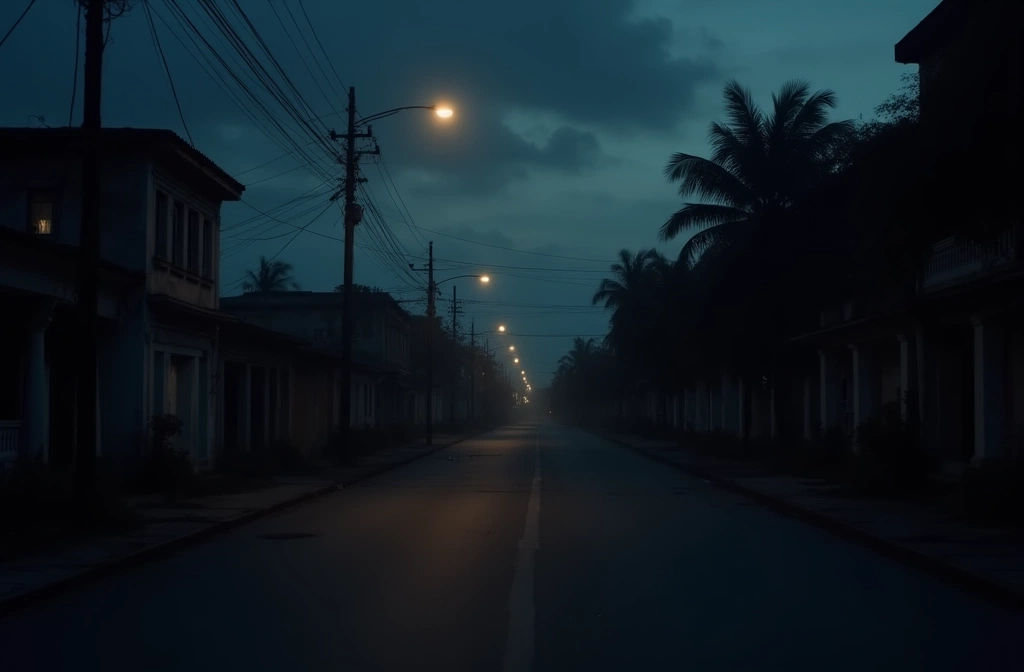
Cuba experienced its sixth nationwide blackout, with restoration efforts ongoing as of Monday afternoon, according to state media cited by CNN. The island nation of roughly 10 million people has been managing a years-long energy crisis that worsened in January following geopolitical developments in the region.
According to CNN, the energy situation deteriorated after the US captured Venezuelan President Nicolás Maduro, prompting the acting Venezuelan government to halt oil shipments to Cuba. Mexico also halted exports in response to US pressure, further constraining the island's fuel access. This represents a critical vulnerability: Cuba's grid depends heavily on imported petroleum for electricity generation, and the loss of two major supply routes has created cascading stress on already-fragile infrastructure.
CNN reported that Cuba suffered two outages in March, establishing a pattern of recurring grid failures over an eight-month period. Each blackout signals deteriorating system resilience—whether due to aging generation capacity, insufficient fuel reserves, or both.
For preparedness analysts, this case illustrates how geopolitical supply disruptions translate directly into infrastructure failure. Cuba's experience is not unique; nations with fuel-dependent grids and limited diversification face similar systemic risk. The pattern matters: six blackouts in months suggests the grid is operating near or at its functional limits, with little margin for error.
What to watch: Monitor whether blackouts increase in frequency or duration, which would indicate further deterioration. Watch for Cuban government announcements regarding fuel reserves, rationing measures, or emergency power agreements—these are leading indicators of system stress. Also track whether other Caribbean or Latin American nations report grid strain or supply constraints, which could suggest broader regional instability affecting electrical infrastructure across multiple countries.
The deeper signal is straightforward: electrical grids built on concentrated fuel imports and aging infrastructure become fragile when supply lines fracture. Cuba's grid is running on reserves and improvisation.
