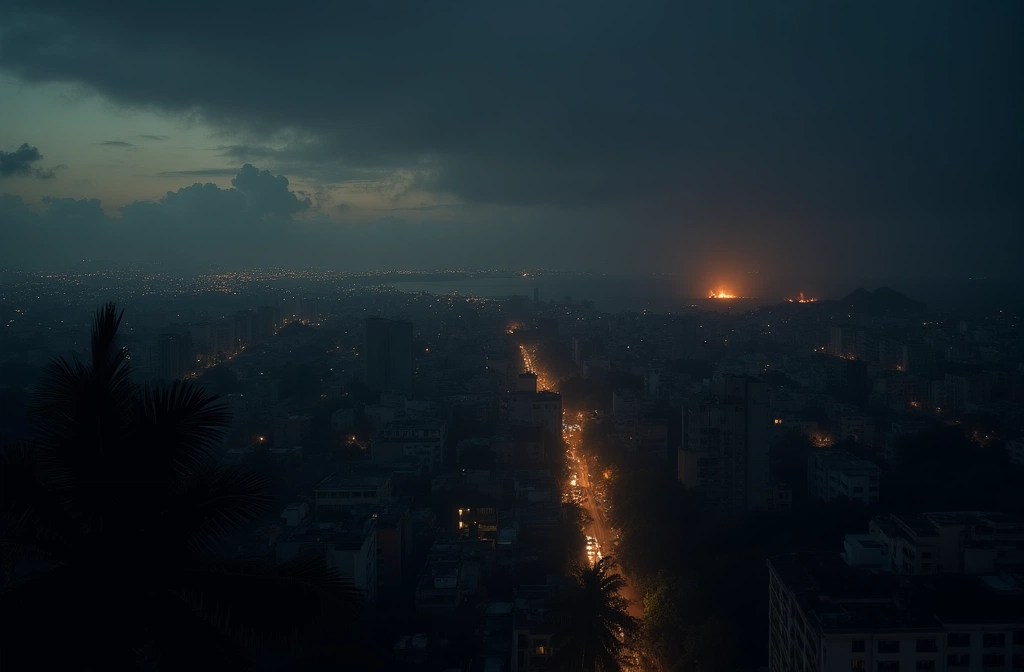
According to Times Now, Cuba experienced a nationwide power grid collapse affecting approximately 10 million residents. The blackout disrupted critical infrastructure across the island, including homes, hospitals, and public transportation systems in major population centers like Havana.
This event underscores a core preparedness reality: modern power grids—even in smaller nations—remain vulnerable to catastrophic, island-wide failures. When a single grid fails completely, cascading effects ripple fast: hospitals lose backup power reserves within hours, water treatment halts, fuel distribution breaks down, and communications degrade. Residents without stored water, food, or medical supplies face immediate hardship.
The scope matters. A 10-million-person blackout is not a localized outage; it's a systemic failure affecting an entire population simultaneously. There is no functional "other side of the island" to draw resources from, no neighboring grid to tap. This constraint is relevant to any region with limited interconnection options or aging infrastructure.
Times Now's report does not specify the cause—mechanical failure, weather event, cascading relay failure, or other trigger. That ambiguity itself is instructive. Grid collapses can originate from multiple vectors: physical damage, software failures, fuel supply disruptions, or operational errors. Without clarity on root cause, the vulnerability profile remains broad.
For preparedness-minded individuals, this event reinforces baseline priorities: stored water (1 gallon per person per day, minimum 2 weeks), non-perishable food, manual water purification, battery backup for critical medications, and a paper-based communication plan. Hospitals and clinics dependent on grid power should have tested backup systems; the Cuba situation suggests many did not or they were exhausted faster than anticipated.
Monitor follow-up reporting on restoration timeline, which infrastructure came back online first, and whether cascading failures (food spoilage, water contamination, fuel shortages) emerged during the outage. Restoration patterns reveal grid resilience design and real-world recovery capacity.
