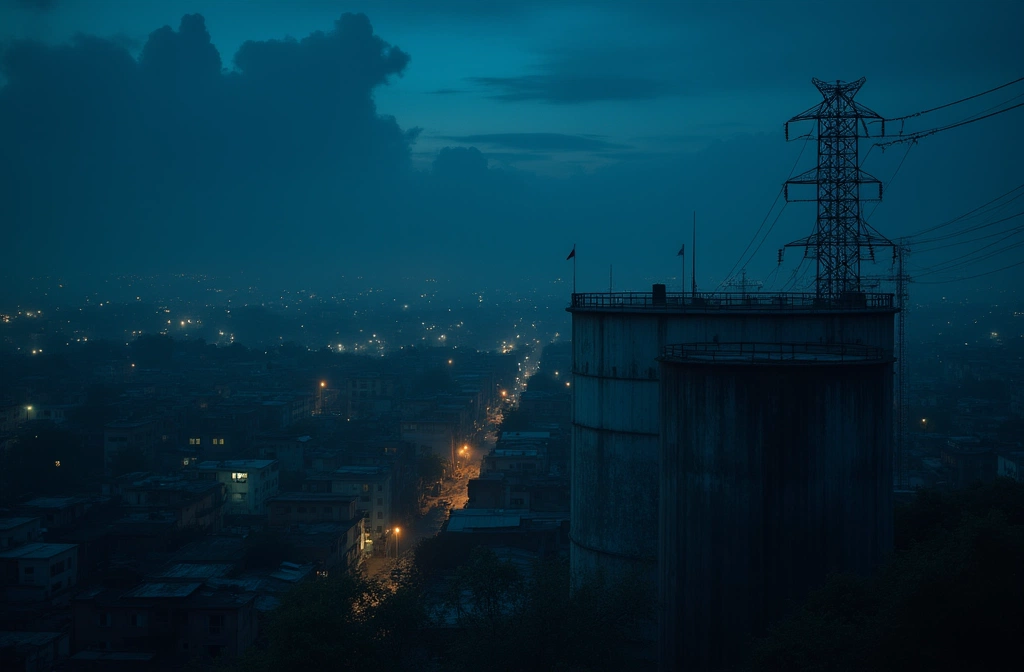
According to the Los Angeles Times and AP News, an islandwide blackout hit Cuba on Monday as fuel reserves dwindled and the electric grid continued to deteriorate. The blackout exposed critical infrastructure vulnerabilities across the island affecting nearly 10 million residents.
This is not an isolated incident. AP News reported that a previous national blackout struck Cuba in mid-March, indicating a pattern of grid failures rather than a one-time event. The convergence of two specific stressors—fuel scarcity and aging grid infrastructure—creates a cascading failure scenario: a power system already degraded cannot respond to supply shocks, and limited fuel reserves cannot compensate for infrastructure failures.
Why this matters: Island grids are inherently vulnerable. Unlike continental networks with redundancy across multiple generation sites and transmission corridors, island systems depend on a finite number of generation points and single-point-of-failure transmission routes. When fuel supplies tighten and physical infrastructure ages simultaneously, the grid loses both its primary margin (fuel) and its secondary margin (equipment reliability). The speed of failure—a complete island blackout rather than rolling brownouts—suggests infrastructure stress is acute, not manageable.
For preparedness analysts, Cuba's situation illustrates a critical risk vector: infrastructure-dependent societies with limited fuel reserves and aging equipment face nonlinear failure modes. Small supply disruptions don't produce small blackouts; they produce cascading collapses. The pattern of repeated outages in short intervals indicates the system is operating at or beyond critical thresholds.
What to watch: Monitor whether Cuban officials implement rolling blackouts as a stability measure (indicating managed decline) or whether blackouts remain sudden and islandwide (indicating loss of grid control). Recurring outages that shorten in interval suggest accelerating infrastructure decay. Supply chain reports on fuel imports to Cuba will signal whether external factors are driving the crisis or whether internal generation capacity has permanently degraded.
