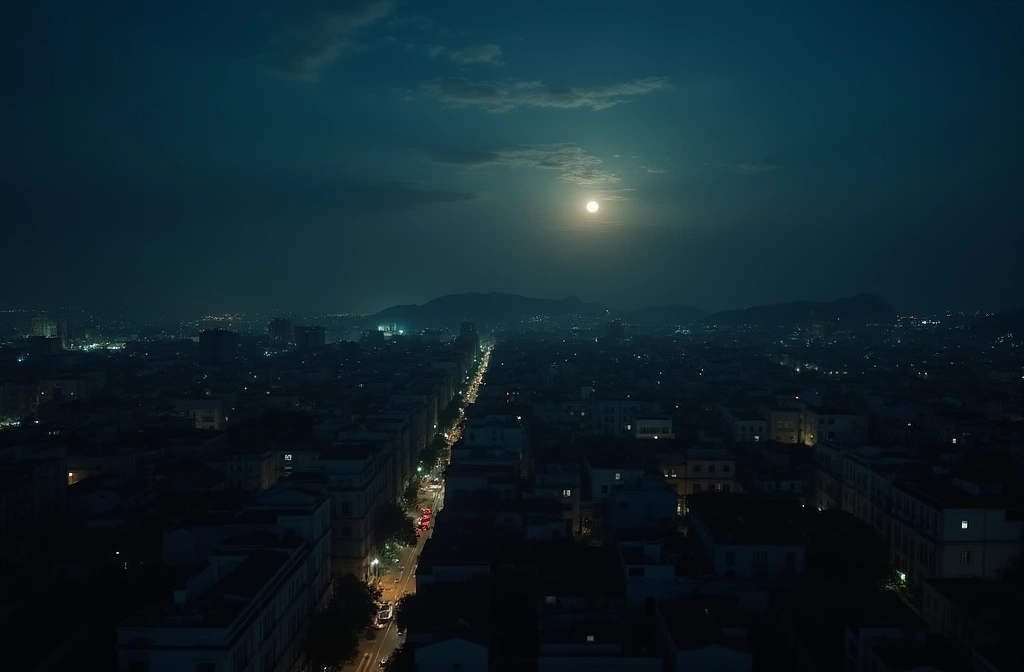
On August 3, 2026, Cuba's state-owned grid operator reported a complete collapse of the national electricity system, leaving the entire island without power. According to Reuters, this follows three additional nationwide blackouts in July alone, indicating a pattern of cascading grid failures rather than isolated incidents.
The underlying cause is structural: The Independent reports that a U.S.-imposed oil blockade has crippled Cuba's already aging energy infrastructure. Reuters attributes the power crisis to fuel shortages driven by these sanctions. Cuba's electrical system, dependent on imported petroleum for generation, lacks redundancy and modern grid hardening to absorb supply shocks.
What matters for infrastructure analysis: Four major grid collapses in 30 days signals systemic failure, not equipment glitches. When a grid cannot recover between outages, it indicates cascading load-shedding problems, transformer degradation, or fuel reserves too depleted to restart generation. This pattern appears across grids under extreme resource constraints—Venezuela (2019), Pakistan (2021)—and precedes either extended multi-week blackouts or permanent loss of generation capacity in aging systems.
The humanitarian and logistical ripple: A 10-million-person island without electrical infrastructure faces immediate risks to water treatment, hospital operations, food preservation, and fuel distribution. These second-order failures can persist even after partial grid restoration.
What to watch: Monitor reports on whether Cuba achieves sustained partial restoration (24+ hours of reliable supply) or enters a cycle of rolling blackouts. Watch for announcements of fuel shipments, emergency power generation deployments, or international aid agreements—their absence or delays would suggest prolonged outages. Track statements from regional partners (Venezuela, Mexico) offering fuel assistance; their capacity and willingness will shape Cuba's recovery timeline.
This is not a worst-case scenario—it's the documented pattern of resource-constrained grids under sustained sanctions pressure. How Cuban leadership and international partners respond will determine whether this stabilizes or deteriorates.
