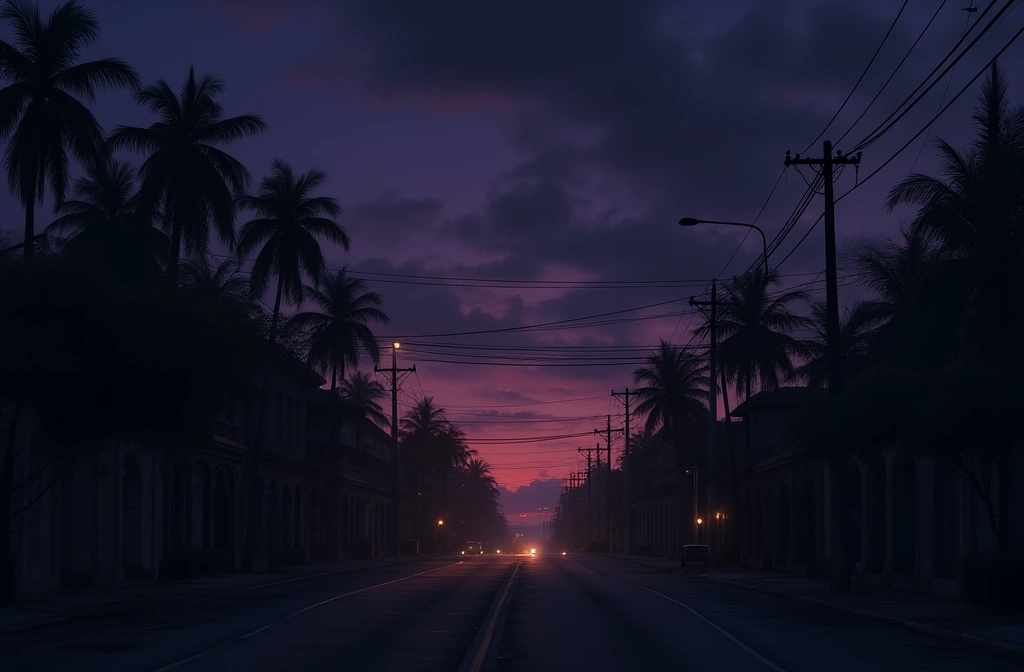
Cuba is experiencing cascading blackouts tied to constraints on fuel imports, according to reporting from Centro de Periodismo Investigativo. The outlet documented that darkness has become routine across the island, with the electrical grid—already outdated and poorly maintained—unable to sustain baseline demand. Centro de Periodismo Investigativo specifically reported island-wide blackouts in March 2026 and noted several additional significant outages affecting portions of the country since the oil blockade began.
The core vulnerability is structural: an aging grid dependent on consistent fuel supply, now deprived of it. When fuel deliveries drop, generating capacity collapses. When generating capacity collapses, rolling blackouts cascade. This isn't a single failure event—it's a system forced into continuous degradation.
For preparedness analysts, Cuba's situation offers a clear case study in grid fragility under resource constraint. The island has no redundancy, no fuel reserves sufficient to absorb supply shocks, and infrastructure too worn to compensate through efficiency gains. Centro de Periodismo Investigativo's reporting suggests these aren't temporary disruptions—they're becoming the operational baseline.
This matters because it demonstrates how external supply chains (fuel imports) and internal infrastructure condition (grid maintenance, equipment age) interact. A grid can fail not just from attack or weather, but from the slow strangulation of its input stream. When fuel stops flowing, even a well-maintained grid dies. When a grid is already failing, any reduction in fuel becomes catastrophic.
What to monitor: whether Cuban authorities report expansion of blackout hours, whether blackouts spread to critical infrastructure (hospitals, water treatment, communications), and whether neighboring Caribbean nations begin hardening their own grid resilience in response. Regional grid stress often spreads faster than anticipated.
