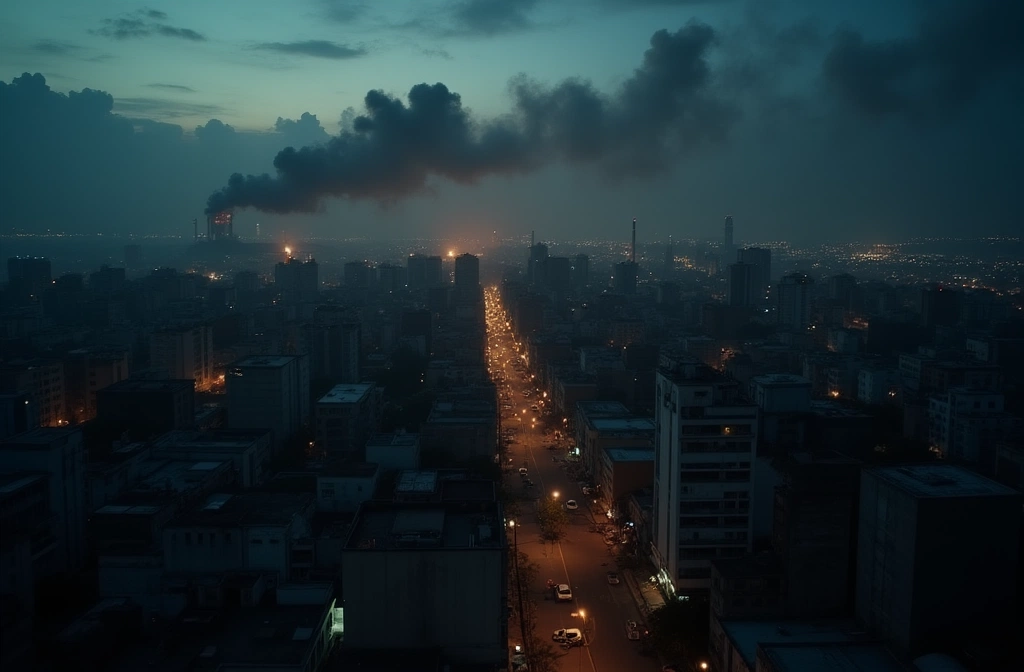
Cuba has been hit by a nationwide power grid failure, according to The Indian Express and Armstrong Economics. The collapse coincides with fuel reserve depletion across the island. While officials say the cause is under investigation, Armstrong Economics cites the country's aging electric grid and low fuel reserves as contributing factors.
Government leadership has made public statements about the crisis. According to The Indian Express, President Díaz-Canel has attributed pressures to external actors, specifically accusing Washington of attempting to force a "social explosion" through sanctions and blockade policies. The Indian Express presents this as Díaz-Canel's framing of events; it is not independently verified reporting.
Why this matters: Cuba's grid failure illustrates how cascading resource constraints—fuel depletion, aging infrastructure, and isolation from global supply chains—can trigger total system collapse with no graceful degradation. Unlike weather events or cyberattacks, this failure stems from structural scarcity. The island's inability to import fuel or conduct major grid modernization creates a fragile baseline where any operational stress triggers blackout.
For preparedness analysis, this signals a real-world case of how geopolitical and economic isolation can degrade critical infrastructure below operational thresholds. Power systems require fuel, maintenance parts, and technical expertise; when those inputs are constrained for extended periods, failure becomes not a possibility but a timeline issue.
What to watch: Monitor whether Cuba's grid experiences repeated cascading failures (blackouts triggering secondary system damage) or sustained outages lasting days. Either pattern would indicate the infrastructure has moved from stressed to degraded. Secondary signals include official announcements about fuel imports, grid repair timelines, or emergency measures. Reports from independent energy analysts tracking Caribbean grid stability would provide technical context beyond government statements.
