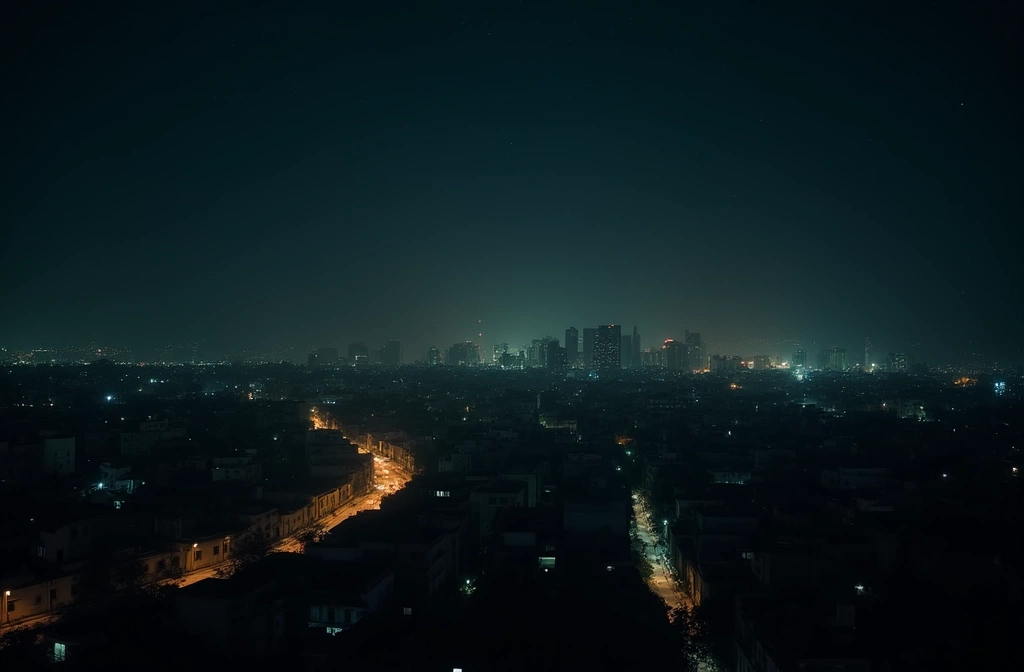
On Monday, July 13, Cuba suffered a complete islandwide blackout, according to reporting from the Colorado Springs Gazette citing the state-run Electric Union. The blackout affected the country's nearly 10 million population and was attributed to two converging pressures: dwindling fuel reserves and a deteriorating electrical grid infrastructure.
This event matters because it demonstrates a real-world cascade failure in a modern grid system—one where fuel supply constraints and aging generation assets interact to produce total system collapse, not partial degradation. Cuba's grid did not fail gracefully; it failed completely.
The significance here is systemic. Grid operators worldwide manage similar tensions: fuel logistics, aging generation capacity, and the gap between infrastructure maintenance budgets and actual need. When both constraints tighten simultaneously, the result is not brownouts or rolling blackouts—it's total loss of service. Cuba's experience suggests that fuel supply chain disruption coupled with deferred infrastructure maintenance creates a low-resilience environment.
What makes this relevant to preparedness analysis: this wasn't a weather event, cyberattack, or solar storm. It was predictable infrastructure failure resulting from resource constraints and aging systems. That predictability is the warning signal. The Electric Union's public acknowledgment of the cause indicates the failure was not hidden or disputed—it was structural.
For readers tracking grid vulnerability, the Cuba blackout is a data point on how modern grids respond under compound stress. It occurred without external shock—no war, no solar event, no coordinated attack. Just fuel running low and equipment running old.
The next critical indicator to watch: whether Cuba experiences rapid restoration or extended outages. Extended blackouts in developed or semi-developed nations typically trigger secondary failures in water systems, communications, and supply chains. The duration of this outage will tell you whether this is a brief failure or a sign of systemic grid instability.
