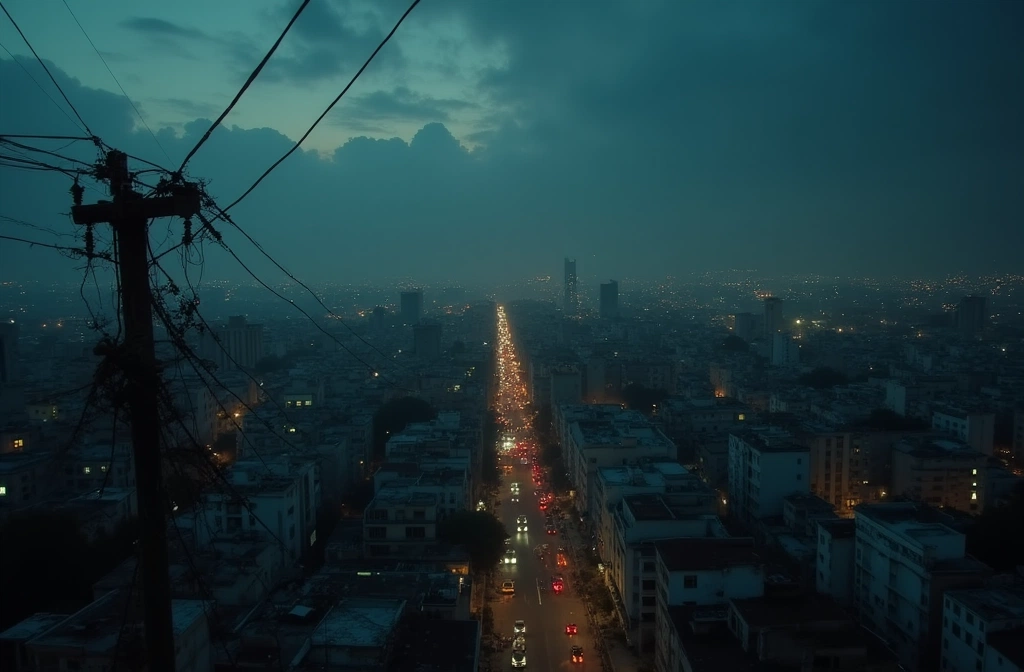
According to FOX 10 Phoenix, Cuba suffered a nationwide power failure, marking another in a series of recurring outages affecting the Caribbean island. FOX 10 Phoenix reports that Cuba's electrical grid has struggled for years due to aging infrastructure and fuel shortages. Cuban regime media cited an electrical grid collapse, though FOX 10 Phoenix notes the specific cause of the latest blackout remains unclear. Cuban officials have attributed the country's energy crisis to U.S. sanctions, according to FOX 10 Phoenix, though it remains unclear what triggered this particular event.
Why this matters: Nationwide grid collapses—even in smaller geographic areas—expose the fragility of interconnected power systems and the cascading risks they create. Cuba's recurring outages reflect a pattern of deferred maintenance, resource constraints, and aging infrastructure. For preparedness analysts, this event serves as a data point on how prolonged systemic stress on critical infrastructure can produce repeated, predictable failures.
The broader signal: Caribbean infrastructure vulnerability affects not just local populations but also supply chains, regional stability, and American citizens in the region—hence the stated warnings to U.S. citizens. When grid failures become routine rather than exceptional, it indicates infrastructure has crossed into chronic dysfunction. This pattern appears consistent with systems operating beyond safe design margins.
What to watch: Monitor reporting on restoration timelines and whether this outage triggers secondary failures in water treatment, communications, or medical facilities. Recurring outages in any jurisdiction suggest the underlying causes (fuel supply, maintenance backlogs, aging assets) remain unresolved. Such patterns can persist or accelerate depending on resource availability and external factors.
