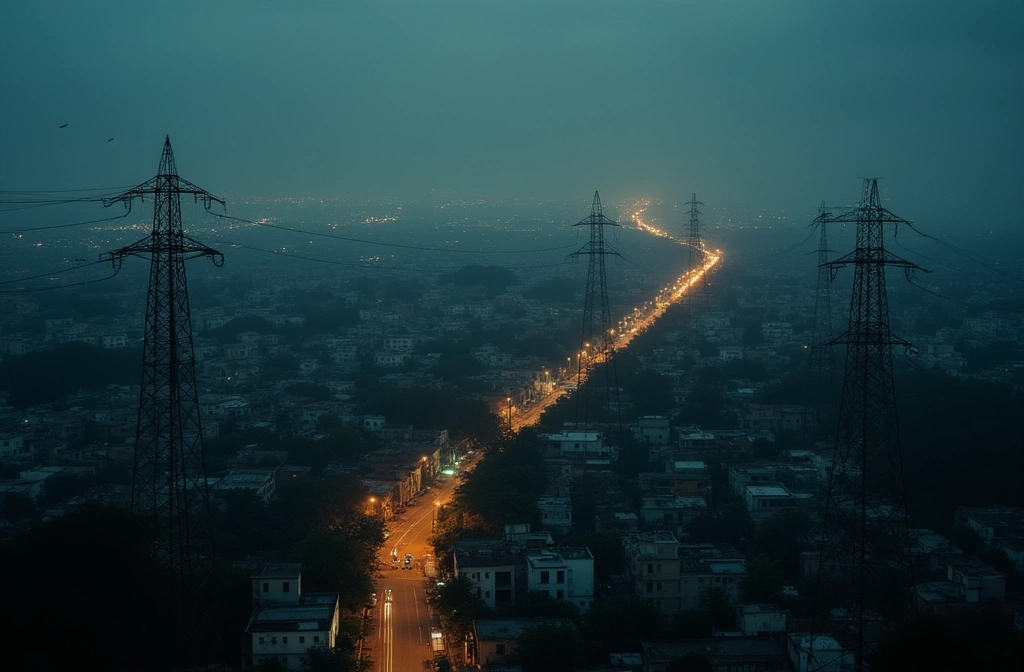
According to The Guardian and CBS News, Cuba has suffered its third nationwide blackout in six months, with authorities citing fuel shortages as the primary cause. The reports identify the core vulnerability: an electricity generation system composed mainly of aging Soviet-era plants operating in severely degraded condition.
This is not new failure—power outages have been endemic to Cuba for years. What matters here is the pace of escalation. CBS News and The Guardian both document that blackouts have accelerated since a fuel blockade began, a timeline that suggests external pressure is compounding an already fragile infrastructure.
Why this matters: Cuba's grid collapse offers a real-world case study in how aging, single-source infrastructure responds under sustained resource constraint. The island's power generation system was never designed for extended fuel denial. When critical infrastructure relies on obsolete equipment with no modernization pathway and constrained supply chains, cascading failures become inevitable—not hypothetical.
For preparedness analysts, the key signal is velocity. Three major outages in 180 days indicates the system is deteriorating faster than it can be repaired or managed. Each failure stresses remaining generation capacity and accelerates wear on backup systems. This pattern—acceleration rather than stabilization—is what precedes systemic collapse in grid studies.
Cuba's experience also illuminates a second-order risk: populations adapted to chronic outages develop survival strategies (manual water pumping, distributed food storage, local trade networks). But those adaptive behaviors mask underlying fragility. When infrastructure fails this often, institutional knowledge degrades, spare parts disappear, and technician expertise disperses. Recovery becomes exponentially harder.
The blockade appears to be the constraint driver, but fuel scarcity alone doesn't explain three cascading failures in six months—that pattern suggests the grid is now running at or beyond operational margins with minimal redundancy.
What to watch: Whether blackout duration increases or geographic scope becomes selective (targeted sectors fail while others hold). Both would indicate transition from random failure to managed degradation.
