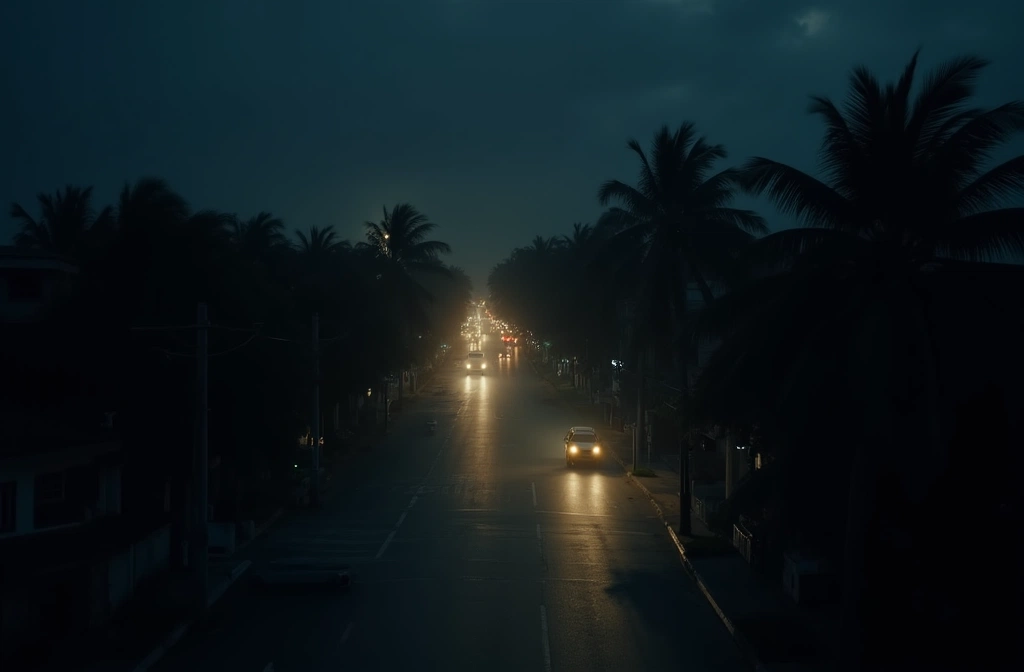
According to Fox News, the U.S. Embassy in Havana reported that Cuba is currently experiencing a total power failure caused by an electrical grid collapse. The embassy statement, obtained by Fox News, advised all U.S. citizens in Cuba or planning travel there to "be aware and plan accordingly."
This matters because total grid failures—even in single nations—expose critical vulnerabilities in power infrastructure recovery, communications, emergency response, and supply chain resilience. Cuba's electrical system has faced documented stress in recent years, and a nationwide collapse of this scope indicates either cascading infrastructure failure, fuel supply disruption, or generation capacity loss severe enough to take the entire grid offline simultaneously.
For preparedness analysts, this event underscores why grid-dependent systems (water treatment, fuel pumping, hospital backup power, communications towers) fail in sequence once primary power is lost. A total grid failure, even in a smaller island nation, demonstrates that even isolated electrical networks can experience catastrophic simultaneous failure rather than gradual degradation.
The practical signal here is straightforward: if you're in or considering travel to regions with aging or stressed electrical infrastructure, baseline preparations (water storage, battery/solar backup, cash reserves, communication redundancy) are no longer optional. The U.S. Embassy's advisory itself—requesting Americans plan accordingly—confirms that normal services cannot be assumed during extended outages.
WATCH: Whether this failure is contained to Cuba or signals broader Caribbean grid stress, how quickly Cuba restores service (hours vs. days), and whether fuel or generation capacity emerges as the primary constraint. These indicators will clarify whether this was an isolated event or symptomatic of regional infrastructure fragility.
